 Save to Pinterest
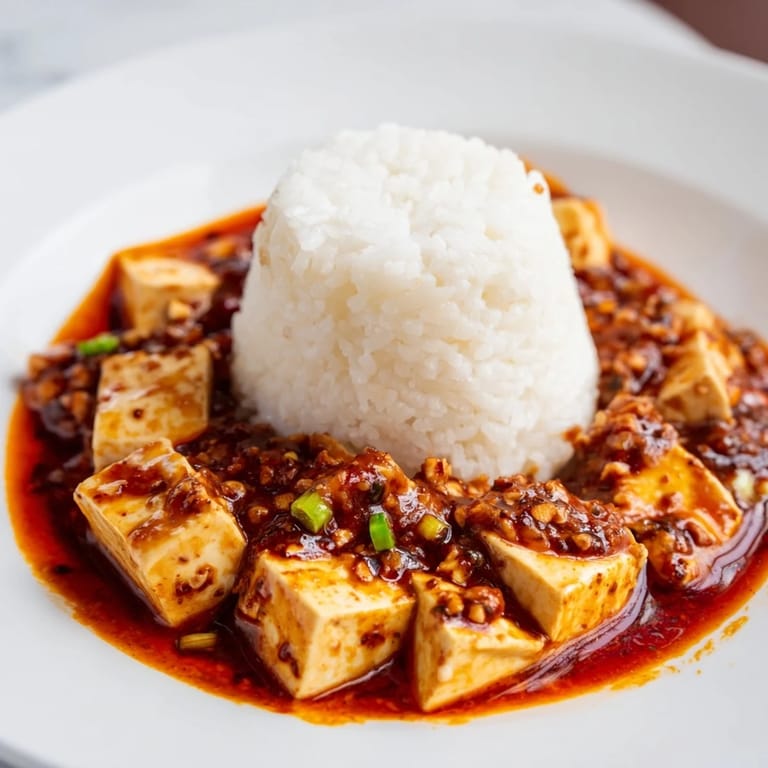
 The first time I tasted real mapo tofu, I was sitting in a small Chengdu restaurant, sweat beading on my forehead before I'd even taken a bite. The dish arrived in a clay pot, the oil shimmering crimson, and when I finally worked up the courage to taste it, everything changed—the heat wasn't just spicy, it was alive, numbing my mouth in this strange and addictive way. Years later, I realized I could recreate that moment at home, and now this silky tofu in its fiery sauce has become my favorite way to remind myself why I fell in love with Sichuan food.
I made this for my roommate on a cold Tuesday night when she mentioned being homesick, and watching her face light up as she tasted it reminded me that food is really just an excuse to show people you care. She asked for the recipe the next day, and I knew right then that this dish had become something special in our kitchen.
Ingredients
- Silken or soft tofu (400 g): Use silken if you want delicate, pillowy cubes that barely hold their shape, but soft tofu is more forgiving if you're nervous about breaking them apart while stirring.
- Ground pork or beef (150 g, optional): Adds richness and texture, but skip it without guilt if you're vegetarian—the sauce carries the whole dish.
- Sichuan doubanjiang (2 tbsp): This fermented chili bean paste is non-negotiable and does most of the flavor work, so hunt down a good one and don't substitute.
- Soy sauce (1 tbsp): The quiet backbone that balances heat with savory depth.
- Shaoxing wine (1 tbsp): Adds a subtle sweetness and rounds out the spice; dry sherry works in a pinch.
- Sugar (1 tsp): Just enough to soften the sharp edges of the chili paste.
- Chicken or vegetable broth (1/2 cup): Creates the sauce that clings to every tofu cube, so don't skip it thinking more oil is better.
- Cornstarch slurry (1 tbsp mixed with 2 tbsp water): Thickens the sauce so it coats the tofu rather than pooling at the bottom of the pan.
- Sichuan peppercorns (1 tbsp): Toast and grind these yourself—pre-ground loses their magic quickly, and that numbing sensation is the whole point.
- Vegetable oil (3 tbsp): Use neutral oil that won't compete with the spices.
- Garlic (3 cloves, minced), ginger (2 tsp minced), scallions (2, separated), dried red chilies (1–2, optional): These aromatics are your foundation; don't rush toasting them.
Tired of Takeout? 🥡
Get 10 meals you can make faster than delivery arrives. Seriously.
One email. No spam. Unsubscribe anytime.
Instructions
- Set yourself up for success:
- Drain your tofu well and cut it into cubes about the size of dice—not too small or they'll dissolve into the sauce. Mix your cornstarch with water in a small bowl, separate those scallion whites from the greens, and have everything within arm's reach.
- Toast and grind your peppercorns:
- In a dry skillet over medium heat, toast the peppercorns for 2–3 minutes until they smell intensely floral and aromatic, then crush them in a mortar and pestle—this step is worth the extra minute because whole peppercorns lose their punch quickly once ground.
- Build your aromatics:
- Heat the oil in your wok or skillet over medium-high heat, then add the scallion whites, garlic, and ginger together, stirring constantly for exactly 1 minute until the kitchen fills with that incredible savory fragrance.
- Brown the meat (if using):
- Add your ground pork or beef and cook, breaking it into small pieces with your spoon, until no pink remains and the meat starts to stick slightly to the pan.
- Awaken the bean paste:
- Stir in the doubanjiang and any dried chilies, cooking for 1–2 minutes until the oil turns a deep reddish-brown and becomes fragrant—this is when you know the flavors are waking up.
- Create the sauce:
- Pour in the Shaoxing wine, soy sauce, sugar, and broth, stirring to combine, then bring the whole thing to a gentle simmer.
- Welcome the tofu:
- Gently slide your tofu cubes into the simmering sauce—think of it like they're settling into a warm bath. Let them simmer for 5 minutes, occasionally spooning sauce over the top, which helps them absorb all those flavors.
- Thicken your sauce:
- Give your cornstarch slurry a quick stir to remix it, then drizzle it slowly into the pan while stirring very gently with a spatula to avoid shattering the tofu. The sauce should go from loose to silky in about 1 minute.
- Finish with fire and green:
- Scatter the ground Sichuan peppercorns over the top and sprinkle with half the scallion greens, then taste and adjust the heat if you'd like.
- Serve without delay:
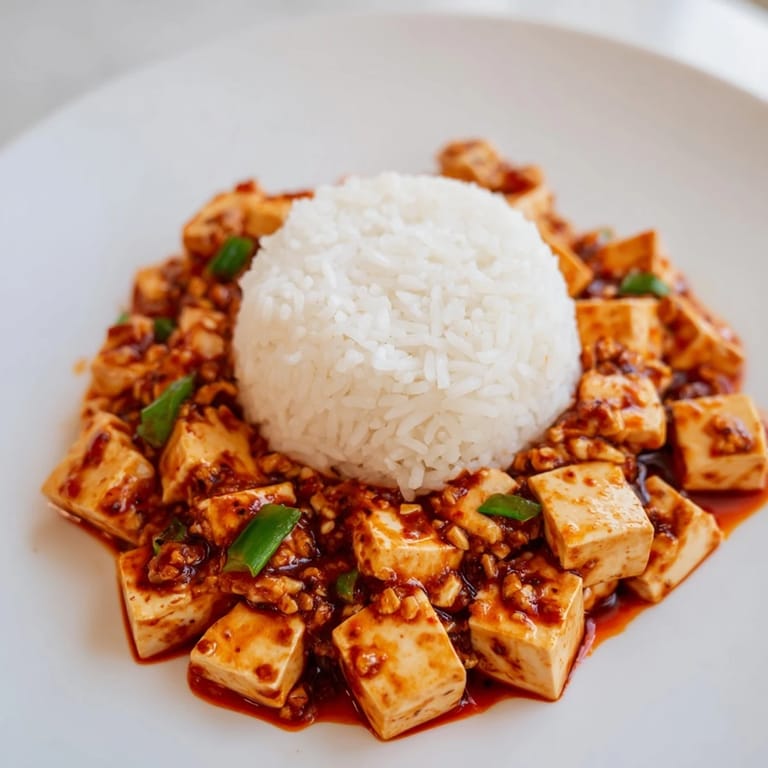
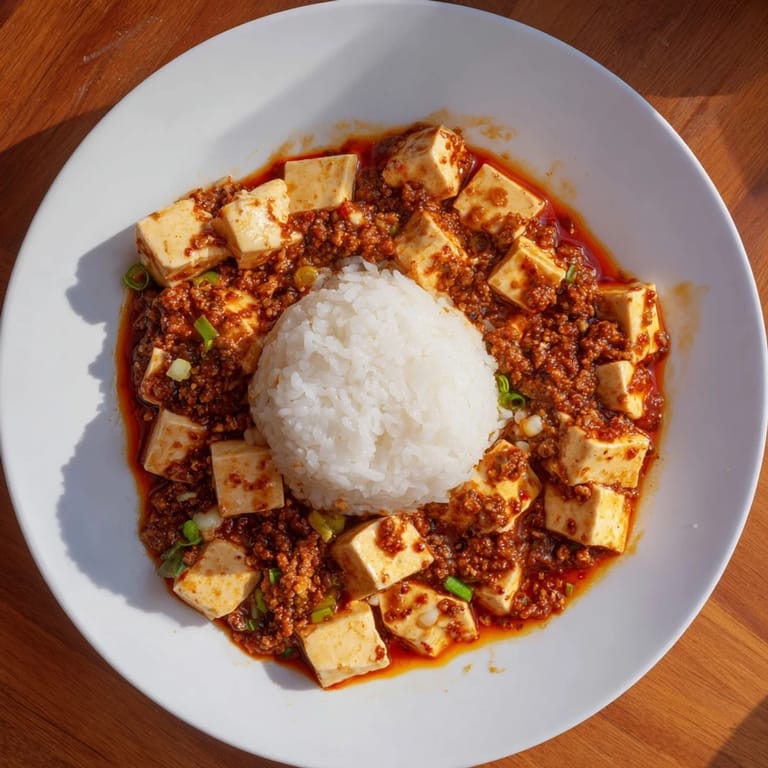
- Transfer the mapo tofu to a serving dish while it's hot and steaming, surrounded by bowls of jasmine rice, extra scallions, and chili oil on the side for anyone who wants more heat.
 Save to Pinterest
 I'll never forget the moment my eight-year-old cousin asked for seconds of something she'd been convinced she wouldn't like, then whispered that it was "spicy in the best way." That's when I understood this dish isn't just about heat or texture—it's about courage, discovery, and the willingness to try something that challenges you.
Choosing Your Tofu
Silken tofu is delicate and almost custard-like, dissolving slightly into the sauce if you're not careful, which some people find magical and others find too fragile. Soft tofu holds its shape better and gives you more confidence while stirring, making it friendlier if you're worried about broken pieces floating around. I've made this with both, and the dish works beautifully either way—it's really about what texture appeals to you and how much patience you have with gentle stirring.
The Vegetarian Path
Leaving out the meat doesn't weaken this dish at all; the fermented bean paste and spices are carrying the entire flavor profile, so the tofu becomes the star without any protein to compete. If you do go vegetarian, seek out a vegetarian doubanjiang made without anchovy paste, and the rest of the recipe stays exactly the same. The sauce will be lighter in body but just as deeply satisfying.
Heat Level and Personal Preference
The beauty of making this at home is that you control how aggressively the spices fight back, and I encourage you to taste as you go and adjust without apology. Start with 1½ tablespoons of bean paste instead of 2 if you're heat-sensitive, or add an extra dried chili if you want that slower burn that builds instead of hits all at once. Keep a bottle of rice vinegar nearby—a teaspoon stirred in mellows the heat while brightening the overall flavor, and it's saved more than one dinner party from getting too spicy for guests.
 Save to Pinterest
 This mapo tofu has become my answer to "what should we eat when we need comfort, heat, and a little adventure all at once." Make it once and you'll understand why it's been a beloved dinner table staple for generations.
Recipe FAQs
- → What tofu type works best for this dish?
Silken or soft tofu provides a silky texture, while firm tofu holds its shape better during cooking.
- → How can I adjust the spice level?
Vary the amount of fermented chili bean paste and dried chilies to make it milder or spicier.
- → Can this dish be made vegetarian?
Yes, omit the meat and use vegetarian chili bean paste along with vegetable broth for a meat-free version.
- → What is the role of Sichuan peppercorns?
Sichuan peppercorns add a unique numbing sensation and bright citrusy aroma that distinguishes the flavor profile.
- → What wine pairs well with this preparation?
A crisp, slightly off-dry white wine like Riesling complements the bold and spicy flavors perfectly.