 Save to Pinterest
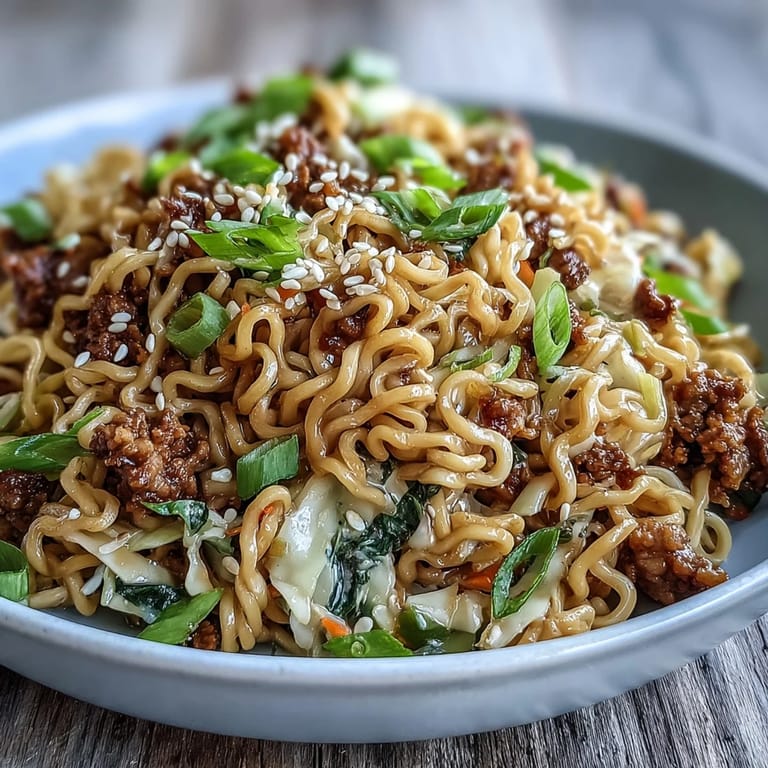
 There's something about the way a wok sounds when everything hits it at once that makes me feel like I've got dinner under control. One weeknight, I was standing in my kitchen with fifteen minutes before hungry people arrived, staring at a box of ramen noodles and a bag of coleslaw mix, wondering if I could turn them into something that didn't taste like I'd given up. That's when I realized: potsticker flavors don't need a dumpling wrapper to work their magic. This creamy stir-fry became my answer to the question I keep asking myself—how do I make something taste intentional when I'm cooking by instinct?
I made this for my sister last month when she was between jobs and needed comfort food that didn't feel like pity. She sat at my counter watching the noodles soften in the pan, and by the time I added that sauce, her whole mood shifted. There's something about watching someone's face when they taste something you've made with them in mind—especially when it's this good and this fast. She asked for the recipe before she'd finished the first bite, and that's when I knew it had become one of my reliable dishes.
Ingredients
- Ground turkey (1 lb): It browns quickly and stays lean, letting the sauce shine instead of coating everything in grease. Make sure to break it up into small pieces as it cooks so it gets those crispy, caramelized edges.
- Instant ramen noodles (3 packages): Throw away those seasoning packets—we're making our own sauce anyway. The thin noodles are perfect because they cook in minutes and have the right texture to absorb the creamy sauce.
- Coleslaw mix (4 cups): This is the shortcut that makes everything possible. It's already shredded, already mixed with carrots, and it softens just enough in 2-3 minutes without turning mushy.
- Green onions (4, sliced): Save some for garnish. They add a fresh bite that cuts through the richness of the sauce and reminds you that you're actually eating something with vegetables in it.
- Low-sodium soy sauce (1/4 cup): The backbone of the sauce. Low-sodium is crucial because you control the salt level instead of letting the sauce take over.
- Toasted sesame oil (2 tbsp): Use the real stuff—it has a flavor that untoasted sesame oil just can't match. Two tablespoons is enough to make people ask what your secret ingredient is.
- Creamy peanut butter (2 tbsp): It thickens the sauce and adds a subtle richness that makes this taste more expensive than it actually is. Natural peanut butter works fine, but stir it first so the oil is incorporated.
- Rice vinegar (1 tbsp): A touch of acid that balances the richness and makes the whole dish taste brighter. Regular vinegar works in a pinch, but rice vinegar is mellower and won't overpower.
- Honey or brown sugar (1 tbsp): A small amount of sweetness rounds out the sauce. I usually use honey because it dissolves easier, but brown sugar works if that's what you have.
- Sriracha or chili-garlic sauce (1 tbsp, optional): If you like heat, add it. If you don't, skip it completely—this dish is good either way.
- Cornstarch (1 tbsp): The secret to a sauce that clings to the noodles instead of pooling at the bottom of the pan. Whisk it with the liquid ingredients so it doesn't clump.
- Water (1/2 cup): This gives you enough liquid to make a proper sauce without making it watery.
- Toasted sesame seeds: A small shower of these at the end adds texture and looks like you actually planned this meal instead of improvising it.
Tired of Takeout? 🥡
Get 10 meals you can make faster than delivery arrives. Seriously.
One email. No spam. Unsubscribe anytime.
Instructions
- Get the noodles going:
- Fill a large pot with water and bring it to a boil while you prep everything else. Add ramen noodles and cook exactly according to the package instructions—usually 3 minutes. You want them tender but still holding their shape, not falling apart into mush. Drain them immediately and set aside in a bowl.
- Brown the turkey:
- While the water boils, heat your skillet or wok over medium-high heat until it's hot enough that a drop of water sizzles and evaporates immediately. Add the ground turkey and break it apart with a wooden spoon or spatula, keeping the pieces small so they brown evenly instead of steaming. It'll take about 5-6 minutes, and you'll know it's done when there's no pink left and the meat is starting to stick slightly to the pan—that's flavor.
- Soften the vegetables:
- Add the coleslaw mix directly to the hot pan with the turkey and toss everything together. Let it sit for a minute, then stir—you want the cabbage to start wilting and the carrots to soften slightly, but still have a little bite to them. This takes about 2-3 minutes and the whole pan will smell like toasted cabbage, which is a good sign.
- Make the sauce:
- While the vegetables cook, grab a small bowl and whisk together the soy sauce, sesame oil, peanut butter, rice vinegar, honey, and sriracha if you're using it. Add the cornstarch and water last, whisking until there are no lumps of cornstarch floating around—this is important because lumpy sauce looks sad. The mixture should be smooth and slightly thick.
- Bring it all together:
- Pour the drained noodles into the skillet with the turkey and vegetables, then pour that sauce over everything. Using tongs or two wooden spoons, toss and lift the noodles so they get coated evenly with sauce and the turkey and cabbage are distributed throughout. It'll look saucy at first, which is exactly what you want.
- Let the sauce set:
- Keep the heat on medium-high and stir-fry for 2-3 minutes, watching as the sauce transforms from thin and watery to glossy and thick. This is the moment everything comes together—the noodles glisten, the sauce clings to everything, and you'll see why this dish actually works. When it's done, the sauce should coat the back of a spoon.
- Finish with fresh elements:
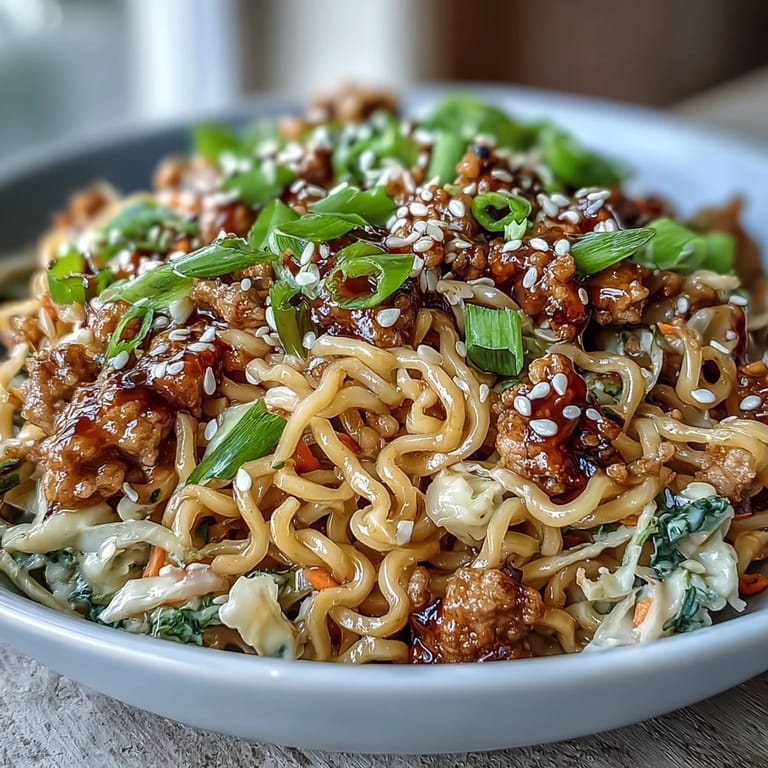
- Remove the pan from heat, stir in the sliced green onions (save some for the top), and taste it. If it needs more salt, soy sauce, or heat, add it now. Transfer to a serving bowl or plates and top with toasted sesame seeds and the reserved green onions for color and crunch.
 Save to Pinterest
 My neighbor tasted this once when I brought her a container to help her through a rough week, and she came back the next day asking if I could teach her how to make it. We stood in her kitchen with a borrowed wok and she made the whole thing while I narrated like a sports commentator, and somehow that moment—her gaining confidence in something new while I got to watch—meant more than I expected. That's when food stops being about hunger and starts being about connection.
Why This Dish Feels Restaurant-Quality
The secret is the technique, not the ingredients. When you whisk the sauce components together before the noodles go in, you're creating an emulsion that clings instead of running. When you toss everything in that hot pan and let the sauce reduce slightly, you're concentrating flavors and building a gloss that looks intentional. It's the kind of dish that makes people think you spent an hour cooking when you actually spent 15 minutes doing the right things in the right order.
Ways to Make It Your Own
This recipe is a framework, not a rule. I've made it with ground chicken when turkey wasn't on hand, and it was equally good. Some nights I add a handful of shiitake mushrooms or snap peas to the coleslaw mix for extra texture and vegetables. A squeeze of fresh lime juice at the table adds brightness that surprised me the first time I tried it. The beauty of a 25-minute dinner is that you can play with it and see what sticks.
Storage and Reheating Tips
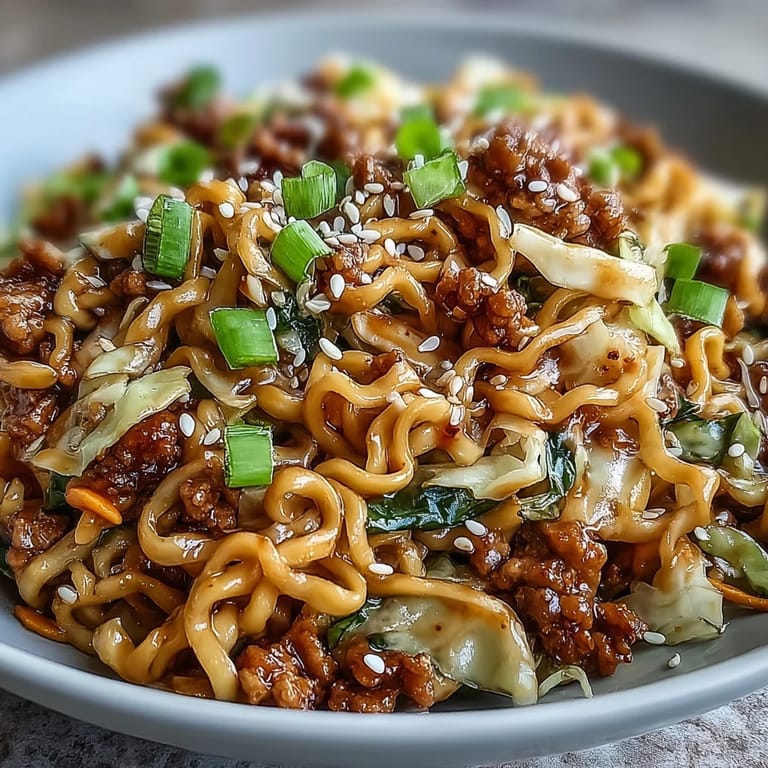
Leftovers actually improve if you let them sit overnight in the fridge because the noodles continue absorbing the sauce flavor. Reheat gently in a pan over medium heat with a splash of water if it's gotten too thick, stirring occasionally so nothing sticks. Honestly, I often make a double batch intentionally because the cold version straight from the fridge makes an excellent lunch the next day when you're standing at your kitchen counter eating straight from the container and pretending it's not lunch.
- Store in an airtight container for up to 4 days, though it rarely lasts that long.
- Don't freeze it—the noodle texture becomes weird when thawed, and the sauce separates.
- If you're packing it for lunch, keep any extra sauce separate so the noodles don't get soggy by midday.
 Save to Pinterest
 This dish has become my go-to when I want to prove to myself that I can cook something delicious without a recipe I've memorized, without hours of advance planning, and without anyone questioning whether I actually know what I'm doing. That's worth something.
Recipe FAQs
- → Can I make this dish vegetarian?
Yes, substitute ground turkey with crumbled firm tofu or plant-based ground meat alternative. The vegetables and sauce remain the same, keeping the dish equally satisfying and protein-rich.
- → What vegetables work best in this stir-fry?
Beyond coleslaw mix, try adding shiitake mushrooms, snap peas, bell peppers, or bok choy. The quick cooking time preserves crunch and bright colors while absorbing the savory sauce.
- → How spicy is this dish?
The sriracha is optional, making heat fully customizable. Without it, the dish has mild warmth from sesame and soy. Add sriracha gradually to reach your preferred spice level.
- → Can I use other noodles besides ramen?
Rice noodles, udon, or even spaghetti work well. Adjust cooking time accordingly—the sauce clings beautifully to most noodle types, creating the same creamy coating.
- → How do I store and reheat leftovers?
Store in an airtight container for up to 3 days. Reheat in a skillet with a splash of water to refresh the sauce, or microwave in 30-second intervals, stirring between each.
- → Is the peanut butter essential?
Peanut butter creates the signature creamy texture, but you can substitute with sunflower seed butter, almond butter, or tahini. Each alters flavor slightly while maintaining the luxurious sauce consistency.