 Save to Pinterest
 I discovered this salad on a bright spring afternoon when a friend brought a bundle of just-picked snap peas to my kitchen, still dewy from the farmers market. She challenged me to do something unexpected with them, something that went beyond the usual raw crunch. That's when the idea struck: blanch them just enough to deepen their color, then toss them with sharp cheddar and a whisper of Dijon to create something that felt both refined and utterly simple. The result was this green and gold arrangement that somehow tastes like spring feels—crisp, alive, and a little bit fancy without trying too hard.
I made this for a dinner party once and watched my usually skeptical brother take a second helping without saying anything—which is his highest form of compliment. Halfway through his plate, he asked if the snap peas were supposed to be that snappy, and I realized he'd expected something limp and forgettable. There's real power in treating a simple salad with enough respect to blanch it properly and dress it thoughtfully.
Ingredients
- Snap peas and green beans: About 200 grams each—the blanching for just 2 minutes is crucial here, or you'll lose that jewel-bright color and the satisfying snap.
- Sharp white cheddar: Cut into small shards rather than thin slices, so they don't melt into the warm vegetables but instead hold their shape and provide sharp bursts of flavor.
- Fresh shallot: Just one small one, thinly sliced, adds a gentle bite without overpowering the delicate vegetables.
- Extra virgin olive oil: Use one you actually love drinking—this dressing has nowhere to hide, so quality matters.
- Lemon juice, Dijon mustard, and honey: These three balance each other into a dressing that's tart, grainy, and just barely sweet.
- Fresh chives: The final flourish that ties everything together with a subtle onion whisper and a hint of green.
Tired of Takeout? 🥡
Get 10 meals you can make faster than delivery arrives. Seriously.
One email. No spam. Unsubscribe anytime.
Instructions
- Bring water to an eager boil:
- Fill a large pot with salted water and let it come to a rolling boil—you'll hear the energy in it. The salt matters because it seasons the vegetables from the inside out.
- Blanch your vegetables to perfection:
- Drop the snap peas and green beans in together and set a timer for exactly 2 minutes. You're looking for that moment when they go from pale to brilliantly bright green, still firm to the bite.
- Shock them in ice water:
- Immediately fish them out with a slotted spoon and plunge them into a bowl of ice water. This stops the cooking dead and locks in both the color and the crunch—don't skip this step.
- Build your dressing:
- In a separate bowl, whisk together the olive oil, lemon juice, Dijon, honey, salt, and pepper until they're emulsified and creamy. Taste it and adjust the balance; this is your chance to make it yours.
- Toss everything together:
- Add the cooled vegetables and sliced shallot to the dressing, turning them gently so each piece gets coated without bruising.
- Arrange and garnish:
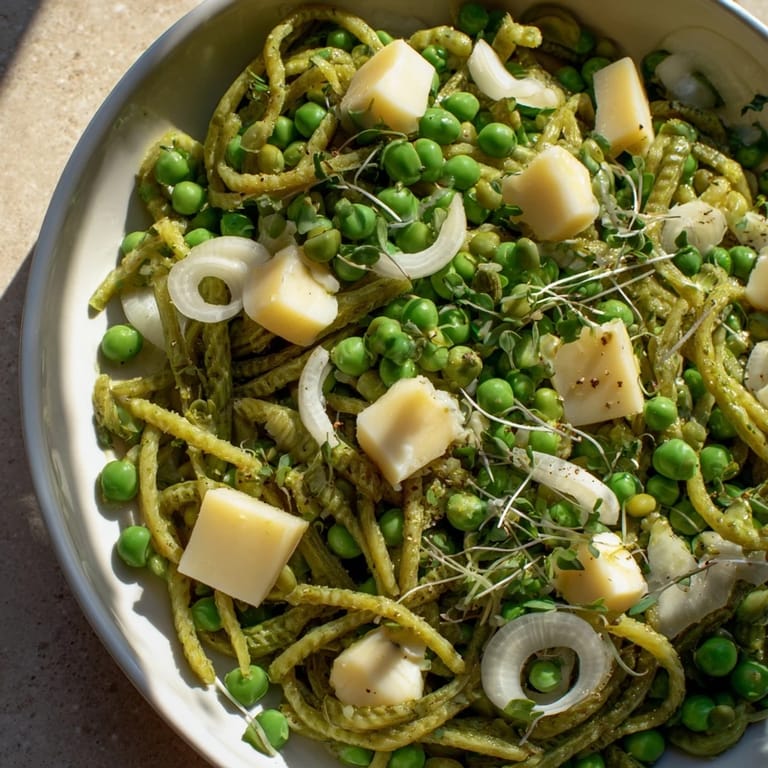
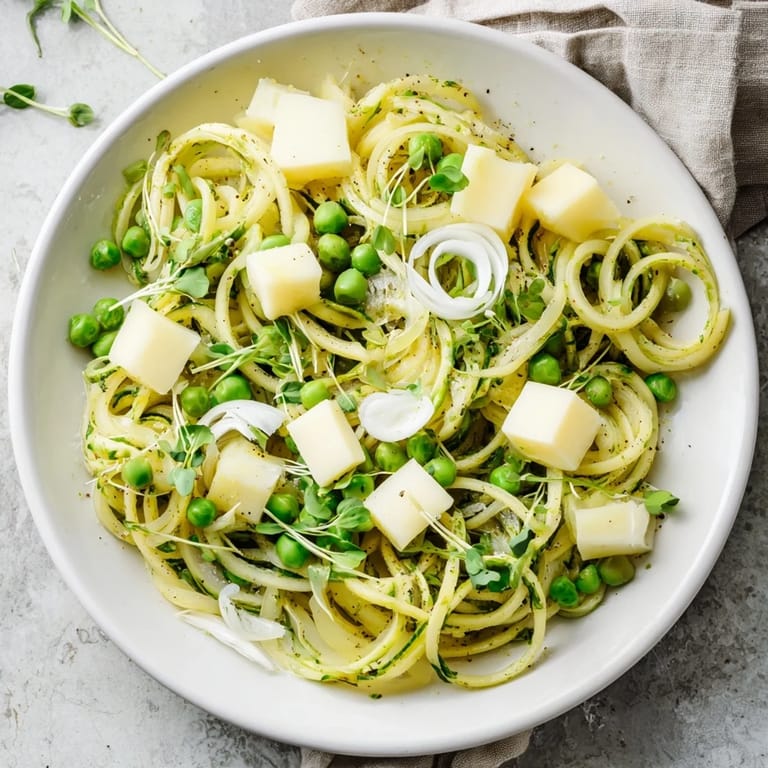
- Spread the vegetables across a serving platter in long, winding lines like ivy climbing a wall. Scatter the cheddar shards over the top, then finish with a shower of chopped chives and microgreens if you have them.
 Save to Pinterest
 There's a moment in cooking when you stop thinking about techniques and just feel the rightness of a dish. For me, it happens when I see these vegetables arranged on the platter, the white cheddar catching the light like little jewels against the green. That's when I know it's going to be good.
The Secret of Cheddar in Salad
Most people think cheese belongs only in warm dishes, but sharp white cheddar has a crystalline quality that makes it perfect raw. The tanginess cuts through the sweetness of the vegetables without overwhelming them, and the texture adds something no dressing can replicate. I've tested this with goat cheese and feta too, and while they're good, there's something about that particular sharpness that feels made for this dish.
Why Blanching Matters More Than You Think
The first time I made this without blanching, I thought I was being clever and efficient—just toss everything raw with dressing and go. But raw snap peas and green beans fight the dressing; they stay waxy and distant. Two minutes in boiling water softens their defenses enough to let the vinaigrette penetrate while the ice bath keeps them snappy. It's the difference between a salad that's just ingredients and one that actually tastes like something intentional.
Variations and Moments to Improvise
The beauty of this salad is that it invites small changes based on what you have or what season you're in. I've added crispy bacon on a day when I wanted more richness, scattered toasted walnuts when I craved nuttiness, and even swapped the chives for fresh tarragon when I was feeling fancy. One spring I added a scatter of edible flowers from my garden, and it went from simple to showstopping without any real effort. The core recipe holds strong no matter what you add to it.
- For crunch, try adding toasted almonds or walnuts.
- Swap the cheddar for feta or goat cheese if you want a tangier edge.
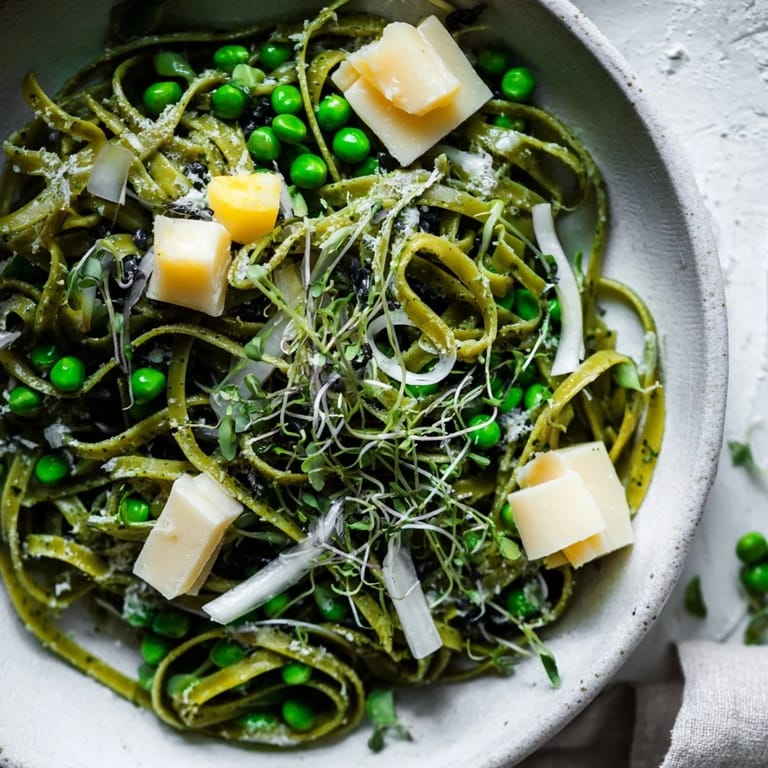
- Microgreens or pea shoots make an elegant finish, but fresh herbs like tarragon or dill work beautifully too.
 Save to Pinterest
 This is the kind of salad that reminds you why vegetables deserve respect and why sometimes the simplest dishes are the most elegant. Serve it with confidence and watch people discover that a salad can be surprising.
Recipe FAQs
- → How do I keep the vegetables crisp and vibrant?
Blanch the snap peas and green beans briefly, then immediately plunge them into ice water to halt cooking. This preserves their color and crunch.
- → Can I substitute the sharp white cheddar?
Yes, goat cheese or feta can be used for a tangier flavor profile while maintaining creamy texture.
- → What dressing complements these ingredients?
A simple dressing with extra virgin olive oil, fresh lemon juice, Dijon mustard, honey, salt, and pepper enhances the fresh vegetable flavors.
- → Can I prepare this salad in advance?
It's best to assemble just before serving to maintain texture, but you can prepare the dressing and blanch vegetables in advance.
- → What utensils are recommended for preparation?
A large pot for blanching, a slotted spoon, mixing bowls, whisk, and a serving platter are ideal for making this dish.