 Save to Pinterest
 I discovered hojicha cake on a rainy afternoon at a small Tokyo café, where the air smelled like toasted tea and butter. The slice arrived impossibly light, almost cloud-like, with this gentle roasted flavor that felt both sophisticated and comforting. When I finally worked up the courage to recreate it at home, I realized the magic wasn't in complexity—it was in respecting the delicate balance between aeration and that signature smoky warmth. This cake has since become my go-to when I want to impress without the stress.
I baked this cake for my neighbor's birthday last spring, and watching her face light up when she tasted it reminded me why I love cooking for people. She kept asking what the mysterious flavor was, and when I told her it was roasted tea, something clicked—suddenly dessert felt like an experience rather than just something sweet. We ended up having tea together on her porch, cake in hand, and talking until the sun started setting.
Ingredients
- Eggs (4 large, room temperature): Cold eggs won't whip properly, so pull them out of the fridge at least 30 minutes before starting—this is non-negotiable for the volume you need.
- Granulated sugar (120 g): The sugar stabilizes your whipped eggs and creates that fine, delicate crumb, so don't skimp or substitute with honey.
- Cake flour (120 g, sifted): Unlike all-purpose flour, cake flour has lower protein content, which keeps the sponge tender—sift it twice to remove lumps.
- Hojicha powder (20 g for cake, 10 g for cream): This roasted green tea powder is the soul of the dish; find it at Japanese markets or online, and check that it's pure powder with no additives.
- Unsalted butter (40 g, melted and cooled): Melting it first and cooling it prevents the batter from seizing up when you fold it in—patience here saves the cake.
- Whole milk (30 ml, room temperature): The milk keeps the crumb moist without making it dense; cold milk will shock the batter.
- Fine sea salt (1/4 tsp): A tiny pinch brightens the hojicha flavor and balances sweetness.
- Heavy cream (300 ml, minimum 35% fat): Higher fat content whips faster and holds its shape better; don't use ultra-pasteurized if you can avoid it.
- Powdered sugar (40 g): Sift it with the hojicha powder before adding cream to avoid lumps in your filling.
- Vanilla extract (1 tsp): A single teaspoon rounds out the hojicha without making the cream taste like vanilla cake.
Tired of Takeout? 🥡
Get 10 meals you can make faster than delivery arrives. Seriously.
One email. No spam. Unsubscribe anytime.
Instructions
- Prepare your oven and pan:
- Preheat to 170°C (340°F) and line only the bottom of your 20 cm cake pan with parchment paper—no greasing the sides, because the sponge needs to grip the pan to rise properly.
- Warm and whip the eggs:
- Combine eggs and sugar in a heatproof bowl and sit it over simmering water, whisking constantly until the mixture feels warm (about 40°C) and looks pale. This warms the eggs safely and helps them whip to maximum volume—transfer to your mixer and beat on high speed until thick, pale, and tripled in volume, about 7 minutes, then one more minute on lower speed to stabilize.
- Fold in the dry ingredients:
- Sift cake flour, hojicha powder, and salt together, then fold gently into the egg mixture in two additions using a rubber spatula. Work slowly and mindfully—you're aiming for no visible streaks while keeping as much air as possible trapped in the batter.
- Combine the butter mixture:
- Stir melted, cooled butter and room-temperature milk together in a small bowl, then add a generous scoop of the main batter to this mixture and stir until combined. This tempers the butter so it won't deflate the whole batter when folded back in; now gently fold this back into the remaining batter.
- Transfer and bake:
- Pour the batter into your prepared pan and tap it gently a few times on the counter to release large air bubbles, then slide it into the oven. Bake for 23–25 minutes until the top springs back when you touch it lightly and a wooden skewer inserted in the center comes out clean.
- Cool the cake:
- Let it sit in the pan for exactly 10 minutes—any longer and it'll stick—then run a thin knife around the edges and invert onto a cooling rack. Peel away the parchment paper and let it cool completely to room temperature before assembling.
- Make the whipped cream:
- Sift hojicha powder and powdered sugar together into a chilled bowl to eliminate lumps, add heavy cream and vanilla, and whip until you reach medium-stiff peaks. You want it to hold shape but still look creamy, not grainy or separated.
- Assemble and chill:
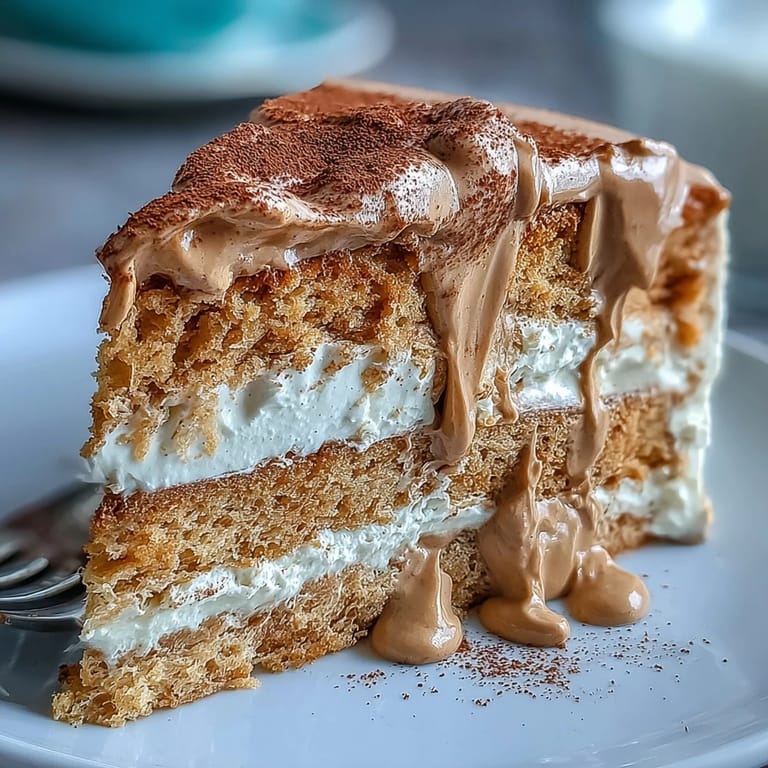
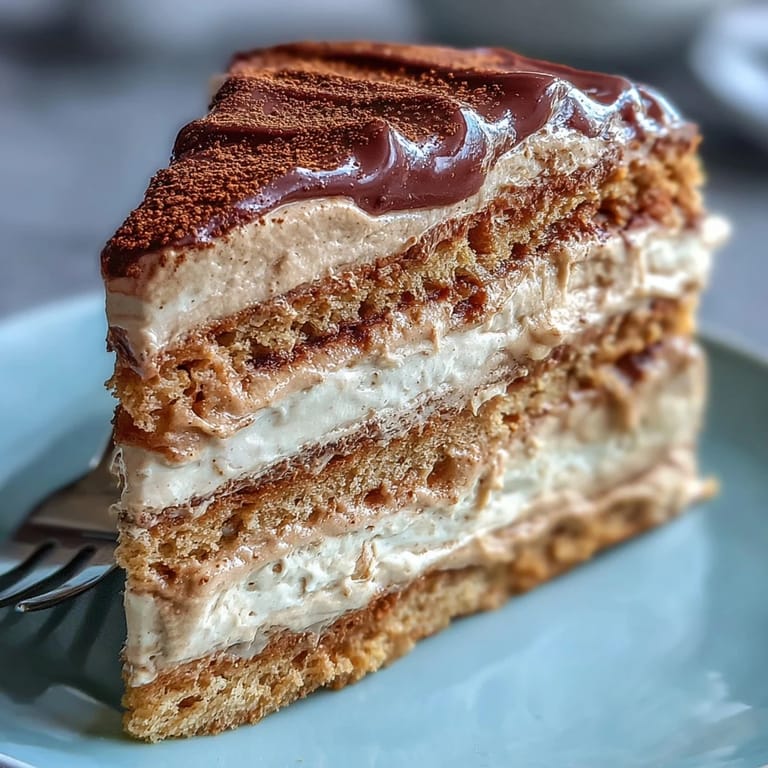
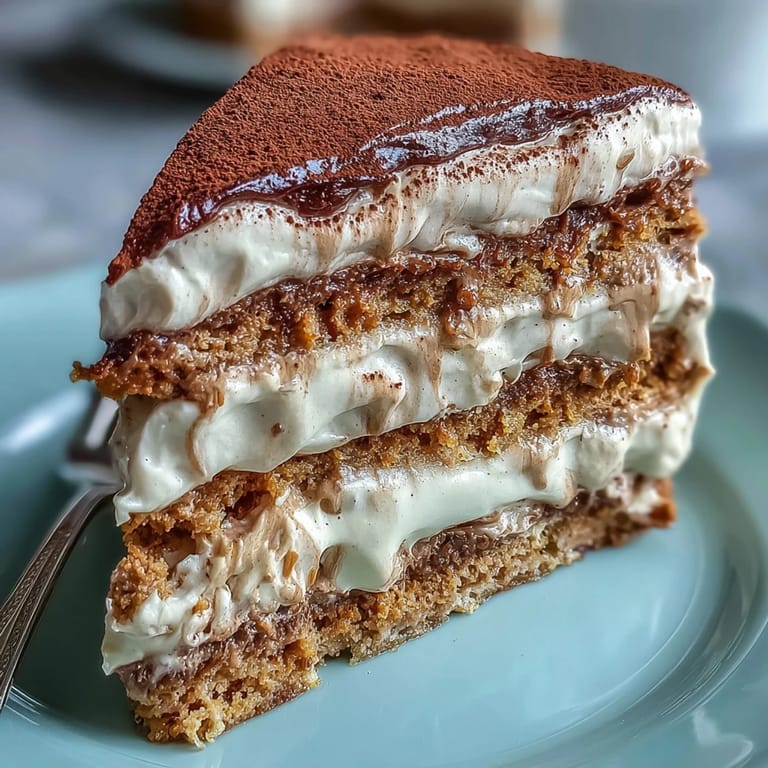
- Once the cake is completely cool, slice it horizontally into two or three layers using a serrated knife and a gentle sawing motion. Spread hojicha whipped cream between each layer and over the top, chill for at least 30 minutes for clean slices, then dust with extra hojicha powder if you like.
 Save to Pinterest
 There's a quiet moment I cherish about making this cake: it's when you pull it from the oven and see how high it's risen, how perfectly golden the top is, and you realize you've created something genuinely beautiful. That confidence it gives you, knowing you've nailed something delicate and Japanese-inspired, stays with you way beyond the last slice.
Troubleshooting Common Issues
If your cake came out dense or didn't rise much, the most common culprit is eggs that were too cold or a batter that was overmixed after folding in the flour. I learned this the hard way by being impatient and not letting eggs come to room temperature—it felt like a tiny failure, but it taught me to slow down and respect the process. If your whipped cream breaks or looks grainy, you've overwhipped it slightly; next time, stop just before stiff peaks and know that a slightly softer cream actually tastes better and looks more elegant on the plate.
Flavor Variations and Serving Ideas
Once you've mastered the base recipe, you can start experimenting—some bakers brush each layer with a light hojicha tea or simple syrup before adding cream to make the cake a touch moister. I've also seen beautiful presentations where the cake is decorated with roasted nuts or dark chocolate shavings, which add texture and visual contrast. The cake itself is subtle enough that it plays wonderfully with other flavors, so don't be afraid to layer in a whisper of matcha cream or top it with candied orange peel if that speaks to you.
Storage and Make-Ahead Tips
This cake actually tastes best when chilled for a few hours before serving—the flavors meld and the structure becomes cleaner for slicing. The assembled cake keeps beautifully in the fridge for up to two days, though if you want to make just the sponge ahead, it stays fresh wrapped tightly in plastic wrap for three days. You can also freeze the unfrosted sponge for up to a month, which is wonderful if you want to pull together an impressive dessert on short notice.
- Always keep the finished cake in the coldest part of your fridge to maintain the cream's shape and keep the sponge tender.
- If your kitchen is warm or humid, whip the cream just before assembling and work quickly to prevent melting.
- Leftover hojicha powder keeps for months in an airtight container, so it's worth buying a small bag even if you only make this cake once a season.
 Save to Pinterest
 This cake feels like a small gift you give to people you care about, and it's one of those recipes that reminds you why homemade desserts matter. Once you've made it a few times, it becomes a quiet pleasure—something you can craft with confidence and genuine pride.
Recipe FAQs
- → What is hojicha and how does it affect flavor?
Hojicha is a roasted green tea that imparts a warm, toasty, and subtly smoky flavor, enriching the cake’s aroma and depth.
- → How do I achieve a fluffy sponge texture?
Whisk eggs and sugar over simmering water until warm, then beat vigorously to triple volume, folding in dry ingredients gently to retain air.
- → Can I substitute hojicha powder with other teas?
Yes, matcha or black tea powders work, but hojicha’s unique roasted notes give a distinctive smoky aroma unmatched by others.
- → How should I store the cake once assembled?
Keep refrigerated and covered to maintain moisture and prevent the cream from drying out; consume within 2-3 days for best freshness.
- → What is the purpose of folding melted butter and milk into the batter?
This step adds moisture and richness without deflating the airy batter, ensuring a tender, soft crumb.