 Save to Pinterest
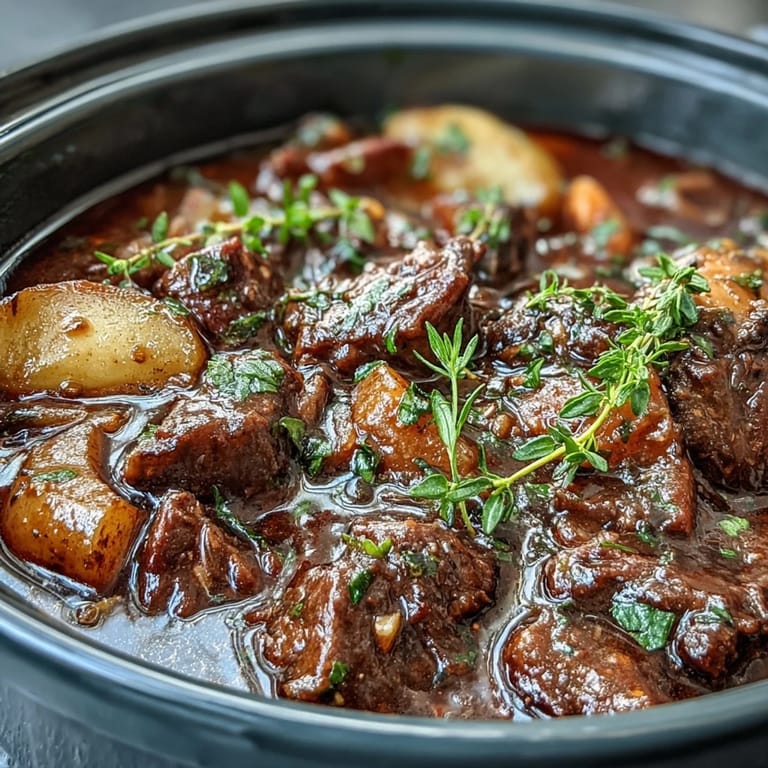
 There's something about the sound of a bottle opener cracking open a Guinness that signals dinner is about to get serious. My kitchen filled with that rich, malty aroma the moment the stout hit the pot, and I knew this wasn't going to be just another Tuesday night meal. The beef had been browning quietly, filling the air with that savory depth that only happens when you give meat time to develop a proper crust. Watching the dark beer swirl into the beef broth felt almost ceremonial, like I was creating something meant to warm people from the inside out.
I made this for my neighbor on a particularly grey February afternoon when she'd just come home from a long hospital shift. The moment she stepped inside and caught that aroma—beef, barley, and dark beer simmering together—her entire face softened. She sat at my kitchen counter for three hours just talking while we waited for the pot to do its thing, and by the time it was ready, the stew had become more than sustenance. It became the thing that made her feel like someone cared enough to spend time on her comfort.
Ingredients
- Beef chuck: This cut has enough marbling and connective tissue to become impossibly tender during the long simmer, and it's forgiving enough that you don't need to overthink it.
- Olive oil: You need enough to properly sear the beef in batches—rushing this step or skimping on oil is the difference between stew and disappointment.
- Yellow onion, garlic, carrots, parsnips, celery: This aromatic base is what gives the broth its foundation, and the parsnips add a subtle sweetness that balances the Guinness beautifully.
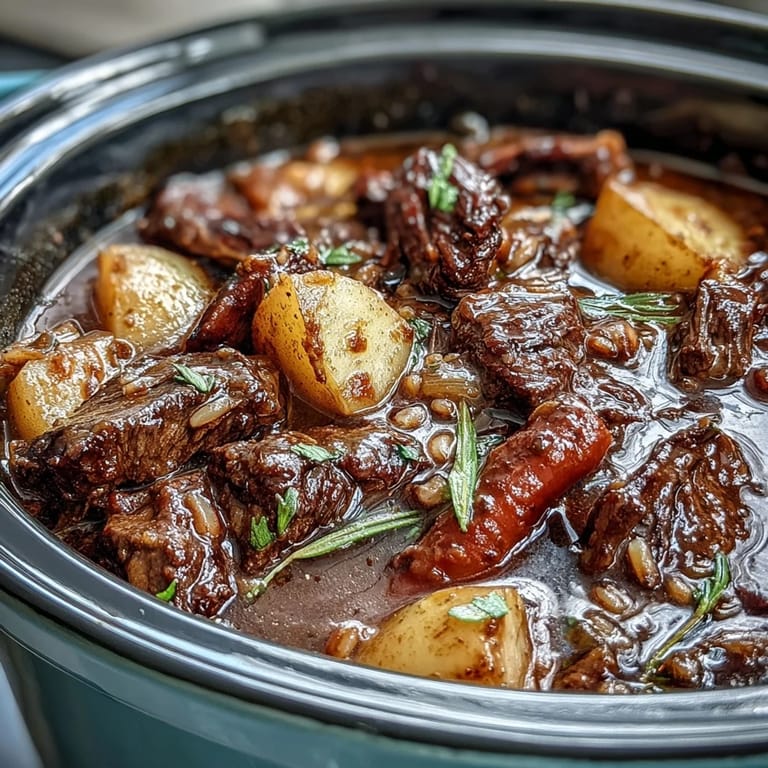
- Potatoes and rutabaga: These aren't just texture—they thicken the broth naturally as they break down, and the rutabaga brings an earthy complexity that most people can't quite identify but absolutely love.
- Tomato paste: A tablespoon might seem small, but it deepens the umami and rounds out all the other flavors in a way that feels almost invisible until it's missing.
- Pearl barley: Make sure to rinse it first, and don't skip this step because it prevents the stew from becoming gluey as the barley releases its starches.
- Guinness stout: The alcohol cooks off, leaving behind the rich, slightly bitter notes that make this taste authentically Irish and impossibly satisfying.
- Beef broth and water: Using both gives you more flavor than water alone, but the water keeps you from making the broth too intense.
- Thyme, rosemary, bay leaves, Worcestershire sauce: These work together like a quiet conversation—no single flavor screams, but together they create something that feels complete.
Tired of Takeout? 🥡
Get 10 meals you can make faster than delivery arrives. Seriously.
One email. No spam. Unsubscribe anytime.
Instructions
- Get Your Pot Ready and Brown the Beef:
- Heat your Dutch oven until the oil shimmers and almost smokes—this is where the magic happens. Work in batches so you're not crowding the pan; you want a real golden crust on each piece of beef, not steaming. This takes patience, but it's the foundation for everything that follows.
- Build Your Flavor Base:
- Once the beef rests on a plate, the same pot now holds all that browned goodness stuck to the bottom. That's liquid gold, so don't skip it—add your onion and let it soften until it's translucent, then bring in the garlic, carrots, parsnips, celery, potatoes, and rutabaga. Five minutes of gentle sautéing lets these vegetables start releasing their flavors into the oil.
- Add the Tomato Paste:
- Stir it in and let it cook for just a minute—you're not making a paste situation, you're just allowing it to caramelize slightly and integrate into the oil. This small step prevents it from tasting raw and bitter.
- Bring Everything Together:
- Return your beef to the pot and add the barley, Guinness, broth, water, and all your herbs and seasonings at once. Stir it all together so nothing settles or burns on the bottom, then bring it to a boil.
- Let It Simmer Gently:
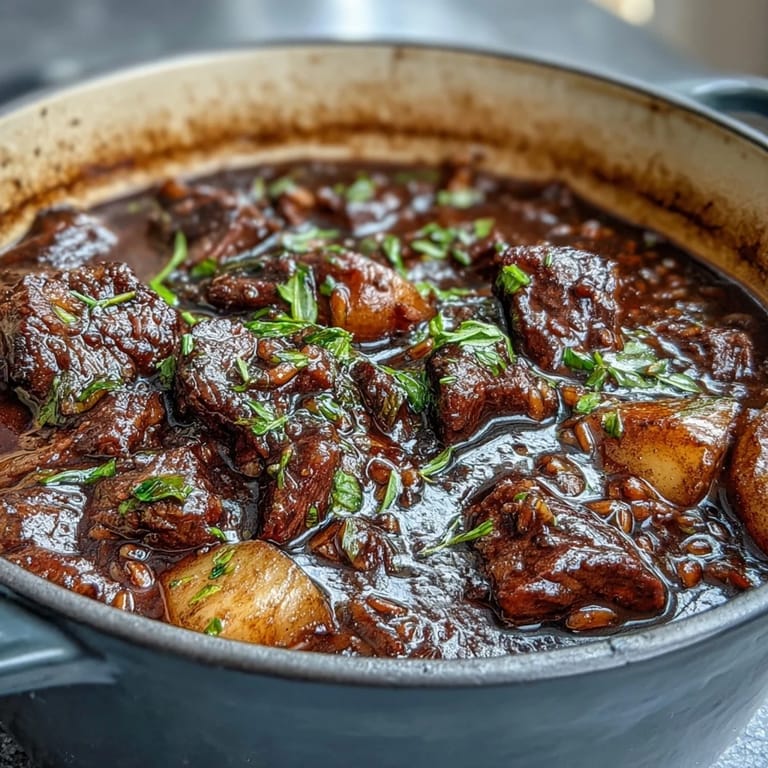
- Once it boils, cover it and turn the heat down low—you want gentle bubbles, not a rolling boil that'll make the beef tough. Stir occasionally so nothing sticks, and let time do the work. After about 90 minutes, start checking the beef; it should shred easily with a spoon when it's ready.
- Finish and Season:
- Fish out the bay leaves, taste the broth, and adjust salt and pepper to your preference. Some people like to mash a few potatoes against the side of the pot to thicken it up, but that's entirely personal preference.
 Save to Pinterest
 My friend came back three weeks later and asked if I could teach her to make it. We stood in her kitchen on a Sunday afternoon, and watching her brown the beef for the first time—seeing her face light up when that sear happened—made me realize this recipe had become something we shared, something that meant more than just dinner. That's when I knew it was the kind of recipe worth passing on.
Why This Stew Works Year Round
There's a tendency to think hearty stews are winter-only affairs, but I've made this in September when the evenings suddenly get cool, and in spring when people are craving something grounding after a long winter. The Guinness keeps it sophisticated enough that it doesn't feel heavy in mild weather, while the barley and root vegetables make it substantial enough to satisfy anyone on a cold night. It's the kind of dish that works whenever you need comfort, which turns out to be more often than the calendar suggests.
The Secret About Cooking for Others
I've learned that making stew for someone isn't really about impressing them with technique—it's about showing them you're willing to spend two hours of your evening on their comfort. This recipe takes just enough attention that it feels intentional, but not so much that you're stressed the entire time. There's something about sitting in your kitchen while a pot simmers, knowing someone's going to walk in and feel immediately cared for by the smell alone.
Variations and Flexibility
Once you understand how this stew works, you can adapt it without losing the soul of it. I've made it with sweet potato instead of regular potato, added parsnips when I had them and skipped them when I didn't. Some nights I use a porter instead of Guinness, and it shifts the flavor just slightly darker. The structure stays the same—sear the meat, build the aromatics, add your liquid and time—and the results are always something you'd want to eat.
- If you don't have Guinness, any dark stout works beautifully, or substitute with extra broth for a non-alcoholic version.
- Swap root vegetables based on what you have or what's in season—celeriac, turnip, and even regular beets add their own personality.
- Fresh parsley at the end brightens everything up, but don't add it until serving or it'll fade into the background.
 Save to Pinterest
 This stew has become my go-to when I want to feel like I'm taking care of someone, including myself. It's the kind of recipe that reminds you why spending time in the kitchen matters.
Recipe FAQs
- → Can I substitute Guinness beer with another liquid?
Yes, you can replace Guinness with another stout or use extra beef broth for an alcohol-free version without losing depth of flavor.
- → What cut of beef works best for this stew?
Beef chuck cut into 1-inch cubes is ideal as it becomes tender and flavorful during the slow simmering process.
- → How can I thicken the stew if needed?
Mash some of the potatoes and root vegetables against the pot sides before serving to naturally thicken the broth.
- → Are there any suggested vegetable substitutions?
You may add other root vegetables like sweet potatoes or celeriac for additional variety and flavor.
- → What is the best way to serve this dish?
Serve hot, garnished with fresh parsley and accompanied by crusty bread to soak up the rich broth.
- → Can this stew be prepared ahead of time?
Yes, flavors deepen when allowed to sit overnight, making it an excellent make-ahead meal.