 Save to Pinterest
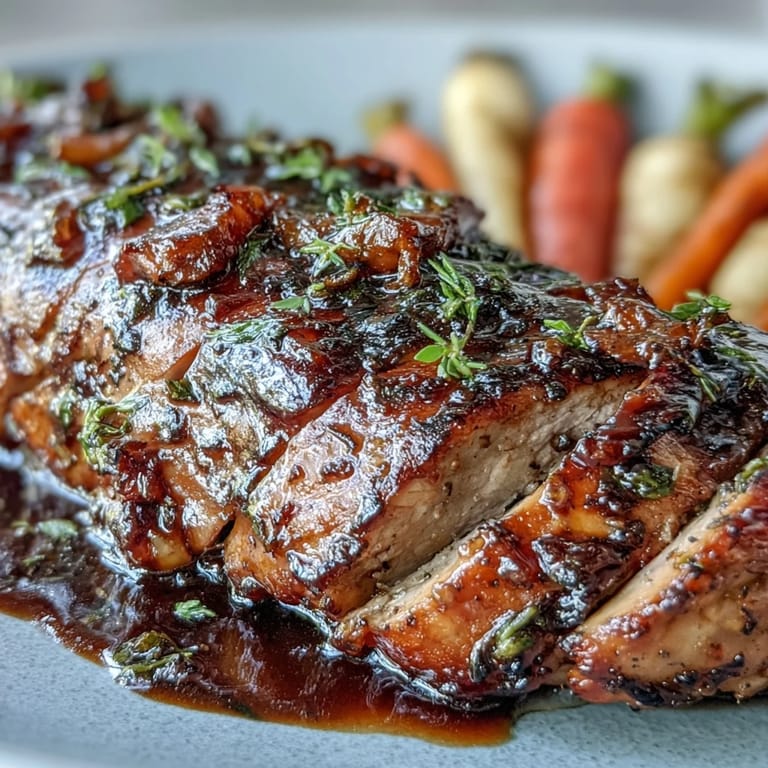
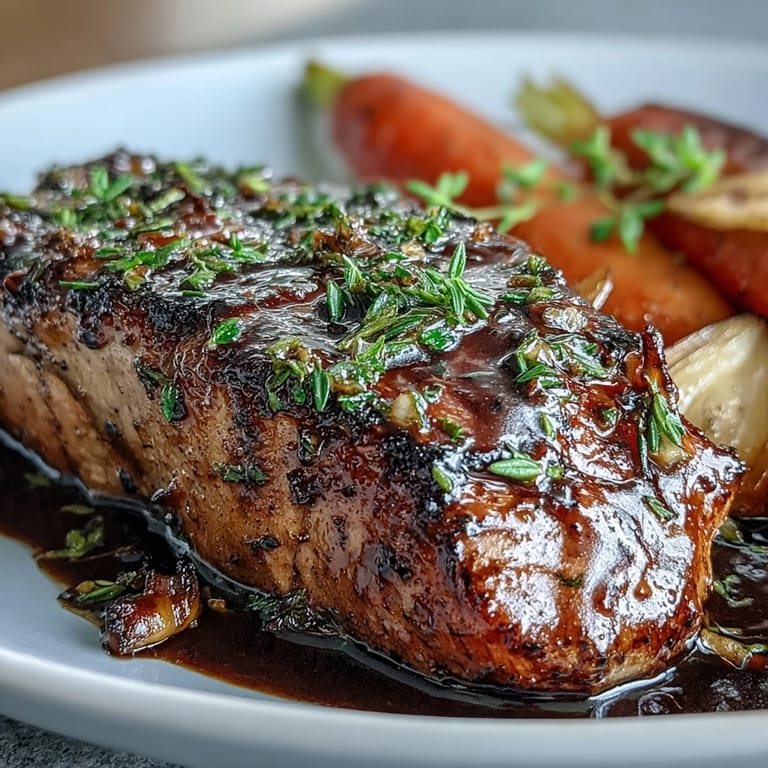
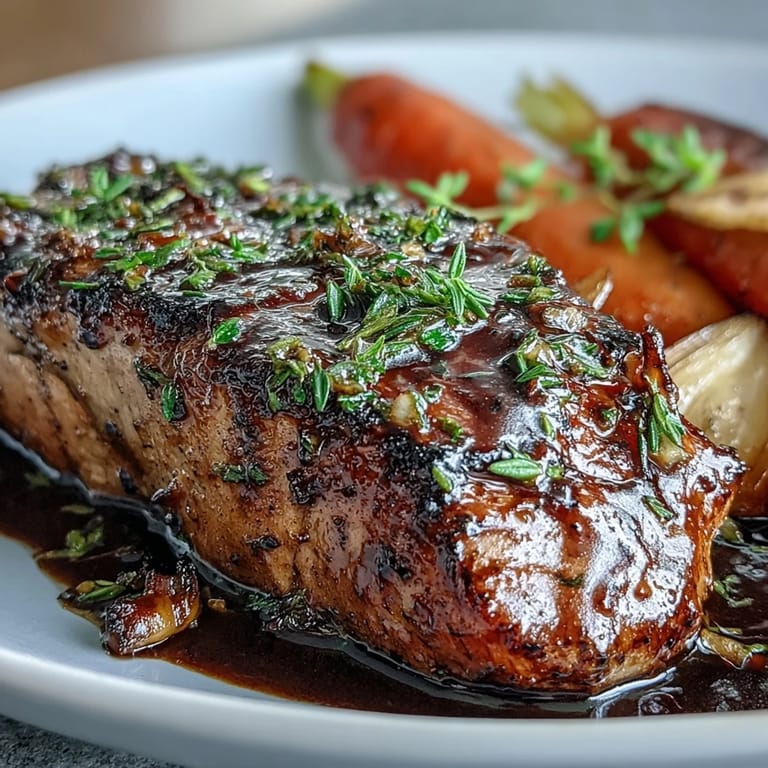
 There's something magical about the sizzle when you pull a perfectly roasted pork tenderloin from the oven—that moment when the kitchen fills with the smell of caramelized honey and balsamic, and you know dinner is about to be impressive without being complicated. I discovered this one-pan wonder on a Wednesday night when I had exactly thirty minutes and wanted to feel like I'd actually cooked something worth celebrating. The rainbow carrots caught my eye at the market, and suddenly I wasn't just making dinner; I was making edible art.
I made this for my sister last spring when she was stressed about a big presentation, and she literally closed her eyes on the first bite. She said it was the kind of meal that made her forget about everything else for a moment, and honestly, that's when I knew this recipe was a keeper. Now whenever she needs comfort food that doesn't scream comfort food, this is what I make.
Ingredients
- Pork tenderloin (1 ½ lbs): This is the star, and trimming it yourself saves money while ensuring you get the best quality—ask your butcher to do it if you're not confident, there's no shame in that.
- Honey (3 tbsp): The sweetness here balances the tang of vinegar, creating a glaze that caramelizes beautifully; use real honey, not the squeeze bottle stuff.
- Balsamic vinegar (2 tbsp): This is what gives the dish its depth and slight sophistication—a good aged balsamic makes all the difference, though don't go overboard on price.
- Dijon mustard (1 tbsp): It adds sharpness and helps emulsify the glaze so it clings to the meat instead of sliding off.
- Garlic (2 cloves, minced): Fresh garlic is non-negotiable here; jarred just won't deliver the same brightness and punch.
- Thyme (1 tsp dried or 1 tbsp fresh): Fresh thyme is ideal if you have it, but dried works perfectly fine—the heat actually awakens those herbal notes.
- Rainbow carrots (1 lb): They're not just pretty; they have different flavor notes depending on color, and roasting brings out their natural sweetness—regular carrots work too, but you lose the visual joy.
- Olive oil (2 tbsp total): This is your cooking fat, so use something you'd actually taste; it matters more than people think.
- Kosher salt & black pepper: Season generously because these everyday ingredients are what actually make food taste like itself.
Tired of Takeout? 🥡
Get 10 meals you can make faster than delivery arrives. Seriously.
One email. No spam. Unsubscribe anytime.
Instructions
- Get everything ready to go:
- Preheat your oven to 425°F and line a large rimmed baking sheet with parchment paper—this isn't being precious, it's being smart because cleanup will be seconds instead of minutes. Pat your pork dry with paper towels because moisture is the enemy of a good golden crust.
- Arrange the carrots:
- Toss your rainbow carrots with olive oil, salt, and pepper, then spread them around the edges of the baking sheet, leaving the center clear for the pork. This setup means the carrots roast gently while the pork gets direct heat, and they'll all finish at exactly the same time.
- Season the pork:
- Rub the tenderloin all over with olive oil, salt, and pepper, making sure every surface gets touched—this is where the crust begins. Place it right in the center of the pan, surrounded by those beautiful carrots like it's the main event, which it is.
- Make the glaze:
- Whisk together honey, balsamic vinegar, Dijon mustard, minced garlic, and thyme in a small bowl until it's smooth and glossy. Brush half of this magic mixture over the pork, getting it into any crevices you can find.
- First roast:
- Slide everything into the oven and roast for 15 minutes untouched—this is when the Maillard reaction starts happening and your kitchen begins to smell unreal.
- The second glaze:
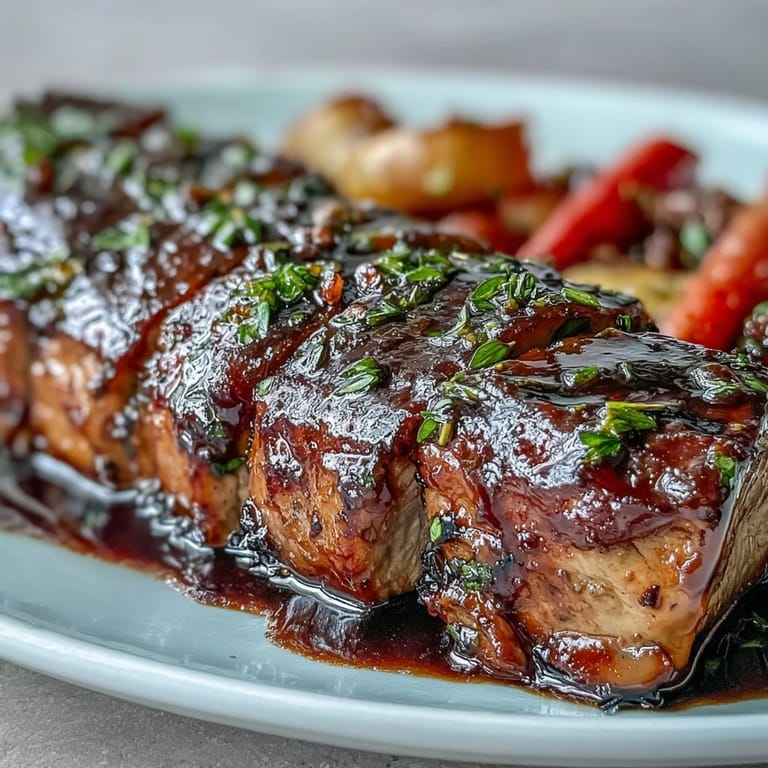
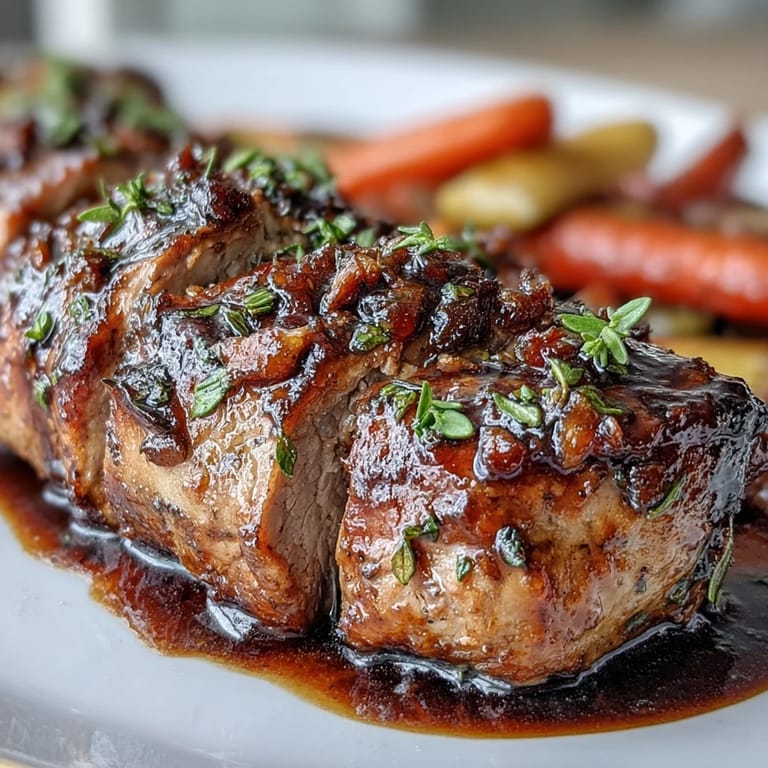
- Pull the pan out, brush the remaining glaze over the pork, and return it to the oven. This creates layers of flavor and a deeper color that looks almost lacquered.
- Finish roasting:
- Roast for another 10 to 15 minutes until the internal temperature hits 145°F—use a meat thermometer and trust it, because overcooked pork is dry pork. The carrots should be fork-tender and caramelized at the edges.
- Rest and serve:
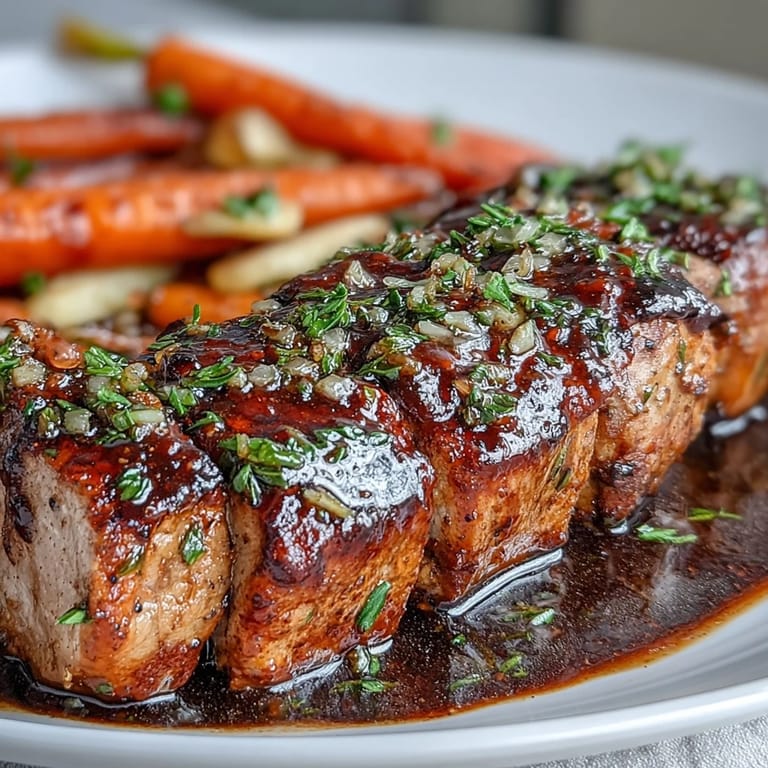
- Transfer the pork to a cutting board and let it sit for five minutes; this is crucial because it lets the juices redistribute, keeping each slice tender and moist. Slice it, arrange it over those gorgeous carrots, and pour the pan juices over everything.
 Save to Pinterest
  Save to Pinterest
  Save to Pinterest
 What makes this recipe special isn't just that it tastes restaurant-quality or that it comes together in under an hour—it's that it somehow feels like you did something meaningful with your evening. Cooking this teaches you that simplicity and sophistication aren't mutually exclusive; sometimes they're the same thing.
Why This Works as a One-Pan Meal
There's a physics to one-pan cooking that took me a while to understand—it's not just about convenience, it's about how flavors actually concentrate and transfer. The pork releases its juices as it roasts, those juices mingle with the glaze, and the carrots soak all of that up from below, creating this beautiful flavor ecosystem. The carrots also act as little moisture holders, keeping the air around the pork humid so it doesn't dry out while it cooks. Once you understand this, you start seeing one-pan meals as an actual technique, not just a shortcut.
The Rainbow Carrot Situation
I know I keep coming back to the carrots, but honestly, they deserve their moment. Regular orange carrots are classic for a reason, but the rainbow varieties—purple, yellow, red—have subtle flavor differences that only become obvious when you roast them. The heat caramelizes their natural sugars differently depending on the pigment, so you end up with these distinct sweet notes if you pay attention. Even if you can't find rainbow carrots, buying whatever color looks freshest will still work beautifully; the point is to choose carrots that feel substantial when you hold them, not ones that are getting soft or wrinkled.
Timing and Temperature Mastery
The thirty minutes of roasting time is generous enough that you're not stressed, but quick enough that you can actually pull this off on a weeknight. The oven temperature of 425°F is hot enough to create a golden exterior on everything without cooking the pork through too quickly. I've learned that opening the oven to brush the glaze is actually beneficial because it lets some steam escape, which helps deepen the color on that tenderloin. One thing that surprised me: if your oven runs hot or cold, it will affect timing, so get to know yours and trust the meat thermometer more than the clock.
- A meat thermometer removes all the guesswork and honestly, it's one of the best kitchen investments you can make.
- If your oven tends to run hot, rotate the pan halfway through for even browning on the carrots.
- Don't open the door obsessively; every time you do, you lose heat and add cooking time.
 Save to Pinterest
  Save to Pinterest
  Save to Pinterest
 This recipe has become my go-to when I want to prove that good cooking doesn't require complicated techniques or weird ingredients—just respect for what you're cooking and attention while it's in the oven. Make this once, and you'll have a dinner that feels special every single time.
Recipe FAQs
- → What temperature should pork tenderloin be cooked to?
Pork tenderloin should reach an internal temperature of 145°F (63°C) for safe consumption while remaining juicy and tender.
- → Can I use regular carrots instead of rainbow carrots?
Yes, regular orange carrots work perfectly as a substitute. You can also use parsnips or a mix of root vegetables for variety.
- → How long should the pork rest before slicing?
Let the pork tenderloin rest for 5 minutes after removing from the oven. This allows the juices to redistribute throughout the meat.
- → Can I make the glaze ahead of time?
The honey balsamic glaze can be whisked together up to a day in advance and stored in the refrigerator. Bring to room temperature before using.
- → What wine pairs well with this dish?
A light red wine like Pinot Noir complements the sweet and tangy flavors beautifully. For white wine lovers, a dry Riesling also works well.
- → Is this dish gluten-free?
Yes, this naturally gluten-free main dish uses simple whole ingredients without any wheat-based products, making it suitable for gluten-sensitive diners.