 Save to Pinterest
 The first time I made satay sauce, I wasn't following any recipe at all—just standing in my kitchen on a lazy Sunday afternoon, holding a jar of peanut butter and wondering what to do with some coconut milk that had been sitting in my pantry. I squeezed a lime over it, added a pinch of spice, and suddenly my whole apartment smelled like Southeast Asia. That accident became something I now make constantly, the kind of sauce that transforms whatever's on the grill into something people actually remember eating.
I brought this sauce to a backyard gathering last summer, drizzling it over skewers that someone else had grilled, and it became the thing people actually talked about the next day. Not the main dish—the sauce. There's something satisfying about making something so simple feel so complete, watching friends go back for more because they couldn't quite identify what made it taste that way.
Ingredients
- Creamy peanut butter: Use unsweetened and unsalted if you can find it—you're building flavor, not working against sweetness already baked in. ¾ cup is your base.
- Coconut milk: Full-fat is non-negotiable here; the thin stuff won't give you that richness you're after. One cup rounds out the peanut butter beautifully.
- Soy sauce: 2 tablespoons brings saltiness and umami depth—tamari works if you need gluten-free.
- Fresh lime juice: About 1 lime squeezed gives you brightness that keeps the sauce from feeling heavy; this is what makes people ask for the recipe.
- Brown sugar: 1 tablespoon, or swap for palm sugar if you have it—just a whisper of sweetness to balance the heat.
- Minced garlic: One clove, fresh, never powder; it makes a real difference in how the sauce develops as it heats.
- Ground coriander and cumin: ½ teaspoon each, toasted spices that ground the whole thing in warmth without screaming at you.
- Chili flakes: ¼ teaspoon to start, but taste as you go—heat preferences vary wildly, and you can always add more.
- Salt: ¼ teaspoon, though you'll likely adjust once everything's combined.
- Fish sauce: Optional, but if you use it (1 teaspoon), add it at the very end so the funkiness stays interesting, not overwhelming.
- Water: Keep 2 tablespoons nearby for thinning if your sauce thickens faster than expected.
Tired of Takeout? 🥡
Get 10 meals you can make faster than delivery arrives. Seriously.
One email. No spam. Unsubscribe anytime.
Instructions
- Warm the base:
- Pour peanut butter and coconut milk into a small saucepan over medium heat. Whisk them together until they're smooth and married—no streaks of either one, just one cohesive, creamy mixture. This takes maybe a minute if your peanut butter wasn't too cold to begin with.
- Build the flavor:
- Add soy sauce, lime juice, brown sugar, minced garlic, coriander, cumin, chili flakes, and salt all at once. Stir everything together with real intention—you're dissolving sugar, distributing spices evenly, and waking up those aromatics.
- Simmer until glossy:
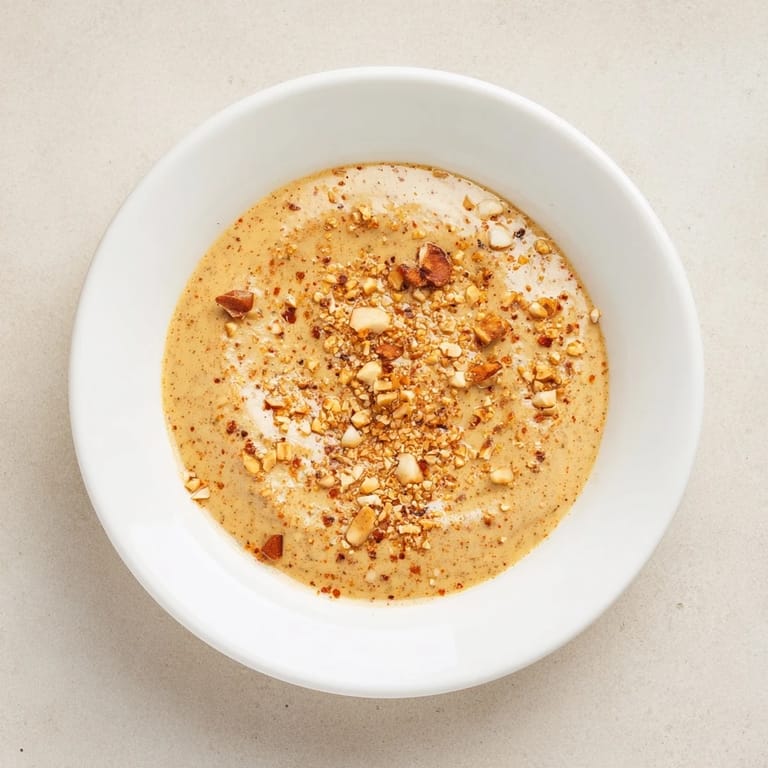
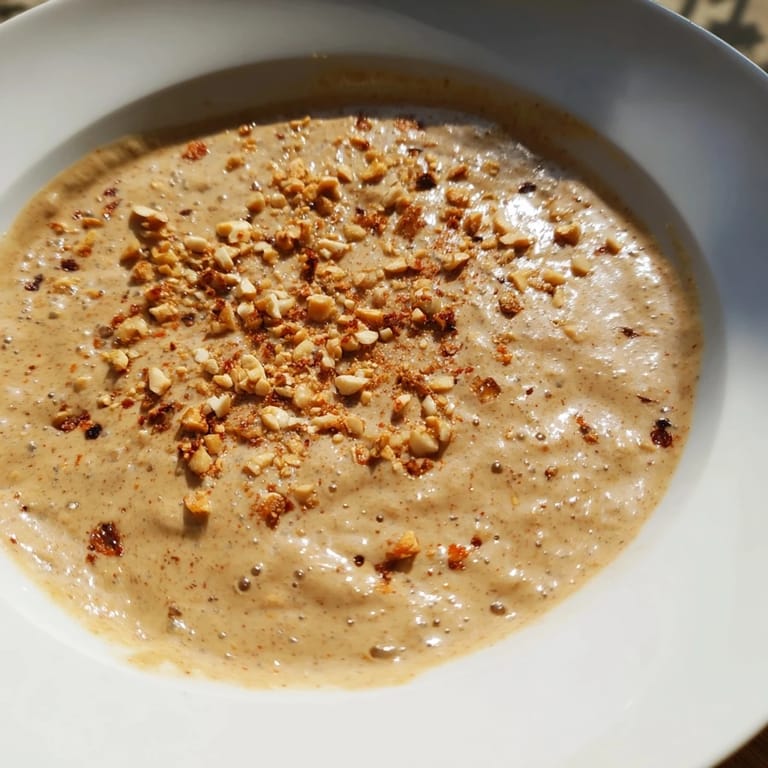
- Let it bubble gently for 3 to 5 minutes, stirring often so nothing sticks to the bottom and the whole thing can thicken slightly. You'll notice it deepens in color and starts to look glossier, almost silky. That's when you know it's worked.
- Taste and adjust:
- This is the moment that matters most—a tiny spoon, a cautious sip, then deciding what it needs. More lime if it feels flat, more sugar if heat is winning, more chili flakes if you want it braver. Trust what you taste, not what the recipe says.
- Thin if needed:
- If it's thicker than you want, whisk in water a tablespoon at a time until it reaches the consistency you're after—pourable for drizzling, but still coating the back of a spoon.
- Finish and cool:
- Remove from heat, stir in fish sauce if you're using it, and let it sit for a few minutes. It'll continue to thicken slightly as it cools, so account for that when you're judging the texture.
 Save to Pinterest
 The moment I realized this sauce had staying power was when my roommate started asking me to make it for things I hadn't even considered—drizzled over roasted vegetables, whisked into mayo as a sandwich spread, spooned over rice bowls. It stopped being just a satay thing and became something she reached for whenever food needed an accent. That's when I knew it was something worth keeping in regular rotation.
What Makes This Sauce Different
Most peanut sauces you encounter are either too thick or too thin, too aggressive with garlic or too shy with spice. This one walks that line because the coconut milk doesn't just thin the peanut butter—it lifts it, makes it lighter on the palate while adding its own subtle sweetness. The lime and soy sauce work like a team, one pulling brightness while the other anchors everything in savory depth. It feels simple because it is, but that simplicity is actually precision.
How to Serve It
Warm, it's a dip that clings to everything. Cool, it becomes a drizzle, a sauce that pools on the plate in a way that looks intentional. Over chicken satay, obviously, but also grilled tofu that's been charred until it has real texture, vegetables that still have a little bite, even rice or noodles if you're building a bowl. The spices in there are forgiving enough that nothing sounds wrong with it.
Storing and Making It Your Own
This sauce keeps in the fridge for five days, maybe six if you've been careful with your spoon and haven't introduced any stray ingredients. Warm it gently in a small saucepan with a splash of water if it's thickened—don't microwave it, because heat distribution gets weird and you can end up with hot spots. If you want texture, stir in crushed roasted peanuts at the very end, not before, so they stay crumbly and don't get lost in the sauce.
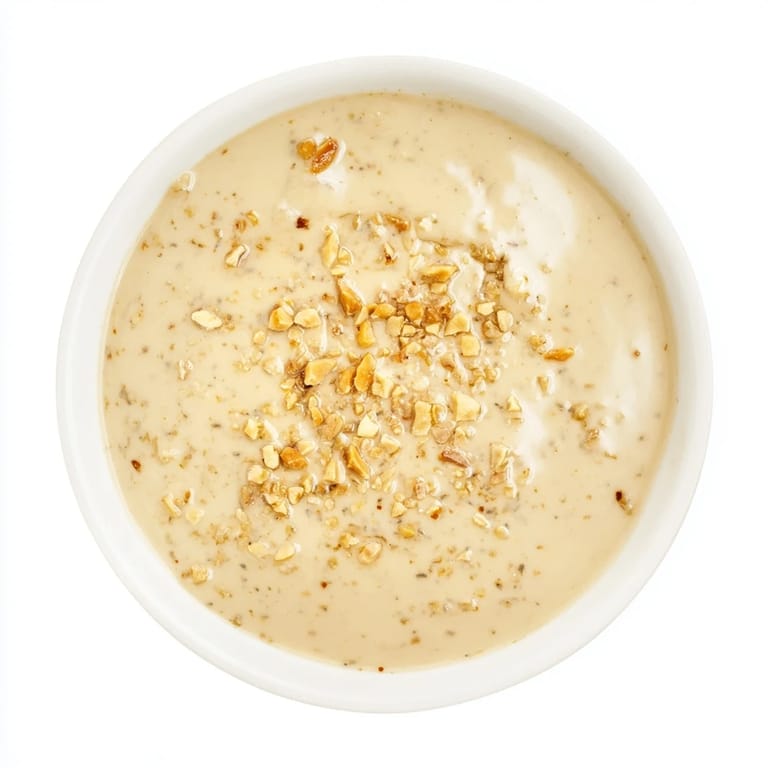
- Make it chunkier by adding 2 tablespoons of crushed roasted peanuts for texture and extra richness.
- Go vegetarian or add fish sauce depending on your crowd and what you're serving it alongside.
- Store it in a glass container where you can see how much is left and what color it's turned.
 Save to Pinterest
 There's something quiet and satisfying about having a sauce this good ready whenever you need it, something you can make in the time it takes someone else to grill the main dish. Once you've made it a few times, it becomes automatic, the kind of thing your hands remember how to do.
Recipe FAQs
- → What is the base of this sauce?
The sauce is primarily made from creamy peanut butter combined with full-fat coconut milk for richness and smooth texture.
- → Can this sauce be made spicier or milder?
Yes, the chili flakes can be adjusted to increase or decrease heat according to your preference.
- → How should the sauce be stored?
Store refrigerated in an airtight container for up to five days and gently rewarm before serving.
- → Are there vegetarian or gluten-free options?
Use gluten-free soy sauce or tamari to keep it gluten-free, and omit fish sauce for a vegetarian-friendly version.
- → What dishes pair well with this sauce?
It complements grilled chicken, beef skewers, tofu, vegetables, or can serve as a flavorful salad dressing base.
- → Can the texture of the sauce be adjusted?
Yes, adding water can thin the sauce, or crushed roasted peanuts can add a chunkier texture.