 Save to Pinterest
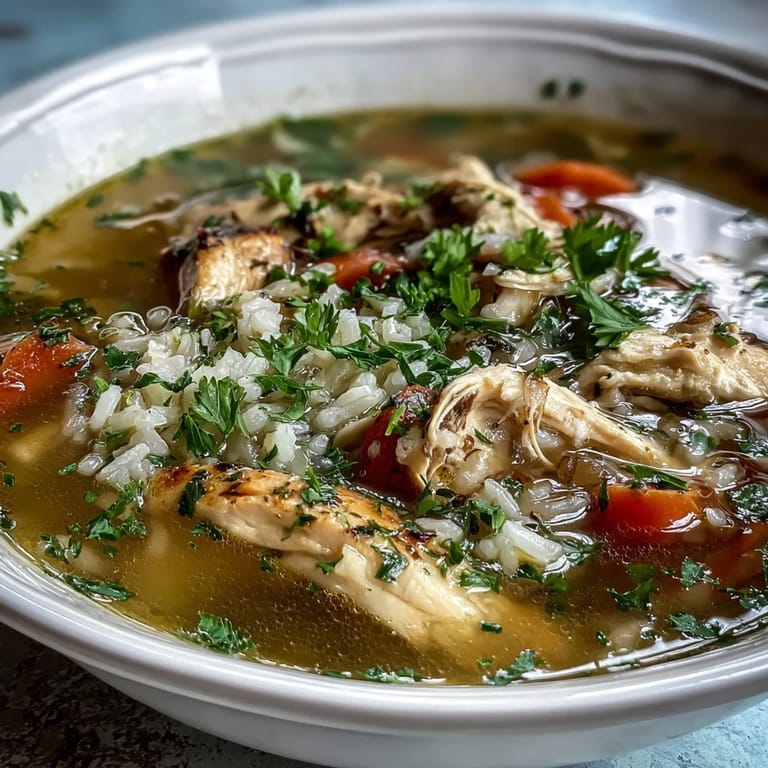
 There's something about a pot of simmering soup that makes a kitchen feel like the center of the world. I discovered this particular one on a Tuesday afternoon when my fridge was mostly empty except for chicken breasts and vegetables, and I needed something that would feed my family without fuss or pretension. What emerged was this golden, steaming bowl that tasted like it had been simmering for hours, even though it came together in under an hour. My daughter asked for seconds before I'd even sat down, which told me everything I needed to know.
I made this for my neighbor when she came home from the hospital, and watching her face as she tasted it reminded me why simple food matters. She sat at my kitchen counter in her cardigan, steam rising from the mug I'd ladled the soup into, and suddenly we weren't talking about her procedure or recovery plans—we were talking about how her mother used to make something similar. That's when I understood this wasn't just sustenance; it was permission to slow down.
Ingredients
- Chicken breasts: Cut into bite-sized pieces so they cook evenly and feel tender throughout, not rubbery at the edges.
- Yellow onion: Diced onion becomes almost sweet as it softens in the oil, forming the aromatic base that makes everything else sing.
- Carrots and celery: These two are the backbone of any good soup broth, releasing their subtle sugars and earthiness into the pot.
- Garlic: Minced finely so it disperses evenly, adding complexity without ever feeling overwhelming or raw.
- Baby spinach or kale: Added at the end to preserve its bright color and nutritional punch, wilting gently into the warm broth.
- Fresh parsley: A handful stirred in at the finish provides freshness and a hint of herbaceous brightness that lifts the entire soup.
- Long-grain white rice: Rinsed beforehand to remove excess starch, ensuring each grain stays separate and tender rather than gummy.
- Low-sodium chicken broth: The foundation of everything, so choose one you'd actually drink on its own—it makes all the difference.
- Dried thyme and oregano: These dried herbs infuse slowly during simmering, creating warmth and depth without requiring fresh herbs.
- Bay leaf: A single leaf adds subtle complexity that you won't identify by name, but you'll absolutely notice its absence.
- Black pepper and salt: Season thoughtfully throughout cooking and finish tasting just before serving, adjusting as needed.
- Lemon juice: A squeeze at the very end brightens everything, cutting through the richness and awakening your palate.
- Olive oil: Just enough to coat the pot and develop flavor without adding unnecessary heaviness to the final soup.
Tired of Takeout? 🥡
Get 10 meals you can make faster than delivery arrives. Seriously.
One email. No spam. Unsubscribe anytime.
Instructions
- Build your aromatic foundation:
- Heat olive oil in your pot over medium heat until it shimmers slightly, then add diced onion, carrots, and celery. Let them soften for four to five minutes, stirring occasionally so they cook evenly without browning too hard.
- Wake up the garlic:
- Once the vegetables are tender, add your minced garlic and stir constantly for just one minute—you want it fragrant and golden, never bitter or burned.
- Brief the chicken:
- Add your bite-sized chicken pieces and let them cook untouched for a minute or two on each side, developing a light golden surface that adds subtle depth to the final broth.
- Combine everything:
- Stir in your rinsed rice, thyme, oregano, bay leaf, salt, and pepper, then pour in all the chicken broth at once. Bring the pot to a boil so you can see the broth actively bubbling.
- Simmer with patience:
- Lower the heat, cover the pot, and let it simmer gently for twenty minutes, stirring occasionally so the rice cooks evenly. You'll notice the broth gradually turning cloudy and golden as the rice releases its starches.
- Add your greens:
- Stir in your spinach or kale and let it wilt for two to three minutes, watching as the vibrant green softens and becomes part of the whole.
- Finish with intention:
- Taste the soup, adjust salt and pepper if needed, then stir in lemon juice and fresh parsley. Remove the bay leaf before serving.
 Save to Pinterest
 My son once asked why this soup tasted like love, and I realized he was noticing something I'd never said out loud: that cooking something nourishing for people, in one pot, without stress or complexity, is its own kind of affection. That question changed how I thought about cooking entirely.
Make It Your Own
This soup is genuinely flexible without losing its soul. I've made it with brown rice on nights when I wanted more texture and nutrition, though you'll need to extend the simmering time to thirty-five or forty minutes so everything cooks through evenly. I've also stirred in a piece of parmesan rind while the soup simmers, letting it add subtle umami depth before removing it at the end—a trick that feels fancy without being complicated. Some cooks swear by adding a can of drained white beans for extra protein and creaminess, which transforms it into something even more substantial.
Storage and Reheating
Leftovers actually improve in the refrigerator because flavors meld and deepen overnight, but the rice continues absorbing broth, so the soup thickens considerably by the next day. When reheating, add extra broth back in gradually, tasting as you go until it reaches the consistency you prefer. Freeze it in portions for up to three months, though the rice texture shifts slightly—it's still delicious, just softer.
Variations Worth Trying
Beyond the basic recipe, there are countless directions this soup can travel while staying true to its comforting nature. A vegetarian version simply omits the chicken and swaps vegetable broth in its place, then adds a can of drained chickpeas for protein and substance. You could add diced sweet potato for natural sweetness, fresh ginger for warmth, or even a handful of diced bell pepper for color and slight sweetness.
- Consider adding turmeric and a pinch of cumin for subtle warmth and earthiness that no one can quite identify.
- Stir in fresh basil at the very end if you have it, especially during summer when basil is prolific.
- A splash of apple cider vinegar instead of lemon juice creates a different kind of brightness that works especially well with kale.
 Save to Pinterest
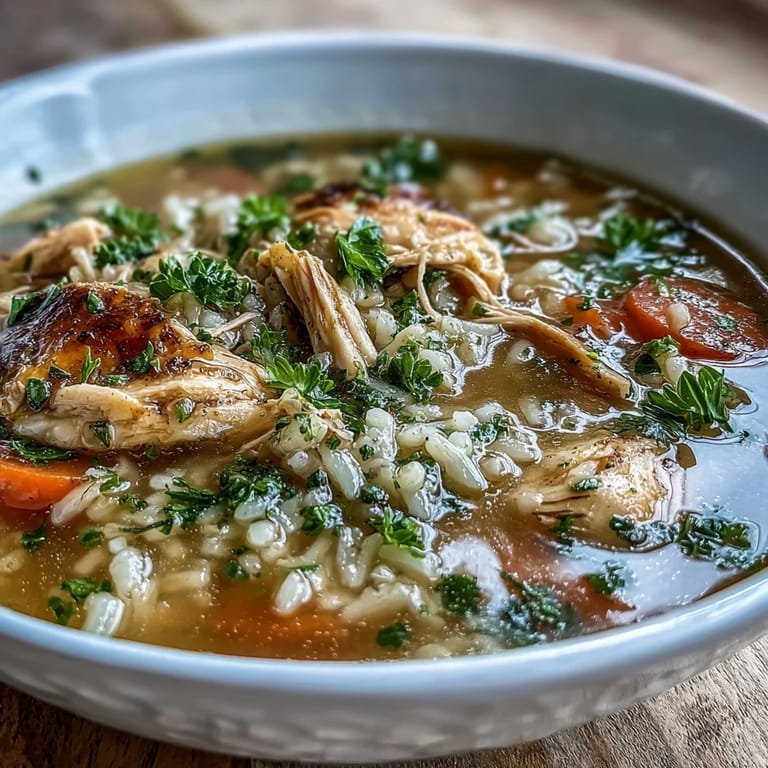
 This soup has become my default recipe for when someone needs feeding, whether they're recovering or celebrating or simply having a rough week. It's the kind of meal that tastes like someone cares without ever announcing it.
Recipe FAQs
- → What type of rice works best for this soup?
Long-grain white rice is ideal for a fluffy texture, though brown rice can be used with a longer simmer time for a nuttier flavor.
- → Can I add leafy greens to the dish?
Yes, chopped spinach or kale added near the end of cooking provides extra nutrients and a fresh, vibrant touch.
- → How do I adjust seasoning to taste?
Season with salt, pepper, and herbs early, then check before serving, adding lemon juice or additional parsley for brightness as desired.
- → Is it possible to make this dish vegetarian?
Swap chicken for chickpeas and use vegetable broth to maintain protein and flavor, ensuring the dish remains hearty and satisfying.
- → What kitchen tools are recommended?
A large pot or Dutch oven is essential for even cooking, along with a sharp knife and cutting board for prepping ingredients.
- → How can I prevent the soup from thickening too much when reheating?
Add extra broth or water while reheating to adjust the consistency, as rice continues to absorb liquid over time.