 Save to Pinterest
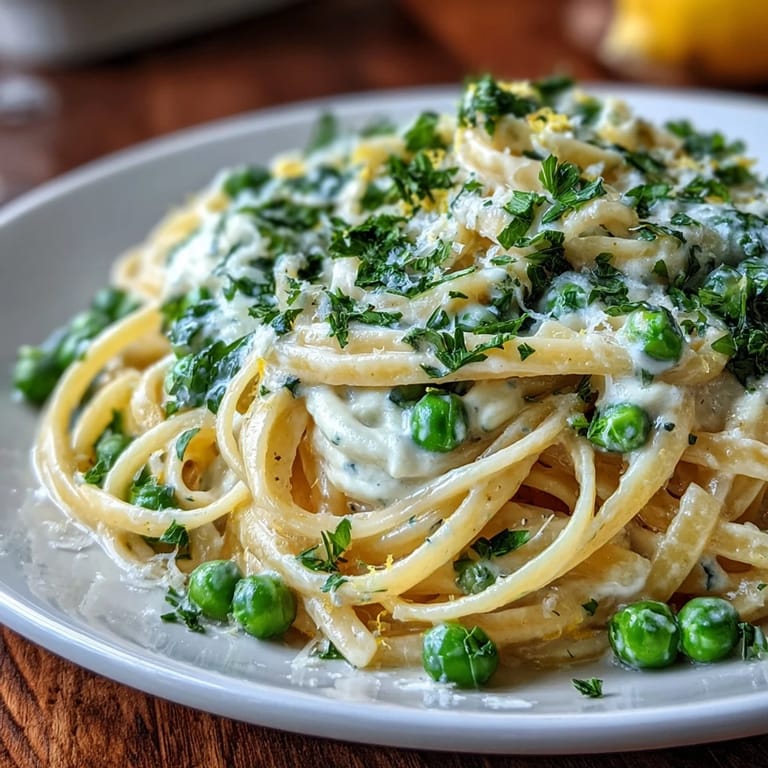
 If the kitchen window is open and you catch a whiff of fresh grass mingling with lemon zest, it might just be spring pasta night. One afternoon, I found myself improvising ricotta sauce while chatting on the phone, marveling at how quickly the peas turned a brilliant green. There's a quiet joy in assembling such a vibrant, creamy linguine dish—especially when the ricotta nestles into the hot pasta and everything gets glossy in the bowl. I remember pausing to taste, surprised by the brightness that lemon juice brings, and how the mingling scents instantly made the room feel lighter. That first attempt was messy, but the laughter lingered long after, and I knew I'd discovered a keeper.
When my cousin visited on a breezy Wednesday, we cooked this lemon linguine with peas together, swapping stories about travel and silly mistakes. Our kitchen was a frenzy of zest flakes and ricotta smudges, but the gentle simmer of garlic in olive oil made us pause and grin—signaling the start of something delicious. We passed the bowl between us, adding dollops of cheese until the sauce felt right, and ended up eating straight from the pot. That night, the laughter and clinking forks were as memorable as the first bite.
Ingredients
- Linguine: Go for high-quality pasta, since its texture soaks up the ricotta and lemon sauce beautifully. I always reserve some pasta water to loosen the sauce and make it silky.
- Peas: Fresh peas taste sweeter and brighter, but frozen work in a pinch—no need to thaw, just cook for a minute longer.
- Garlic: Mince it finely to infuse the oil, but avoid browning to keep its taste gentle and mellow.
- Lemon zest and juice: Use unwaxed lemons and zest just before cooking to preserve the oils; a splash of juice brings unmistakable brightness.
- Fresh parsley: Chop it at the last minute so it stays leafy and vibrant; it adds a faint peppery note.
- Ricotta cheese: Choose whole-milk ricotta for its creamy texture; if watery, lightly drain before mixing.
- Parmesan cheese: The sharper, the better—grated fine so it melts into the sauce without clumping.
- Extra-virgin olive oil: A drizzle enhances aroma and helps carry the garlic flavor through the whole dish.
- Salt: Season your pasta water heavily; a little extra in the sauce keeps it from tasting bland.
- Black pepper: Freshly ground elevates the finish; add a pinch at the end to taste.
Tired of Takeout? 🥡
Get 10 meals you can make faster than delivery arrives. Seriously.
One email. No spam. Unsubscribe anytime.
Instructions
- Boil the Pasta:
- Fill your largest pot with salted water and bring it to a rolling boil so the linguine cooks evenly. Stir the pasta as soon as it hits the water, and keep an eye to avoid overcooking; reserve half a cup of cooking water before draining.
- Sauté the Aromatics:
- Heat olive oil until it shimmers, then add minced garlic, using your nose as a guide—the fragrance signals it's ready without browning.
- Cook the Peas:
- Tumble the peas into the skillet and watch their color pop; stir gently until they're just tender and still plump, making sure to avoid mushiness.
- Mix the Sauce:
- Grab a big bowl and whisk ricotta, lemon zest, lemon juice, Parmesan, salt, and pepper until creamy. Taste for brightness and adjust with a little extra zest or juice if needed.
- Toss Everything Together:
- Add drained linguine and warm peas with garlic and oil into the ricotta bowl, toss gently, and drizzle in reserved pasta water bit by bit for a silky, glossy sauce.
- Finish and Garnish:
- Scatter chopped parsley, check seasoning, and serve immediately—adding more Parmesan or lemon zest on top for flourish.
 Save to Pinterest
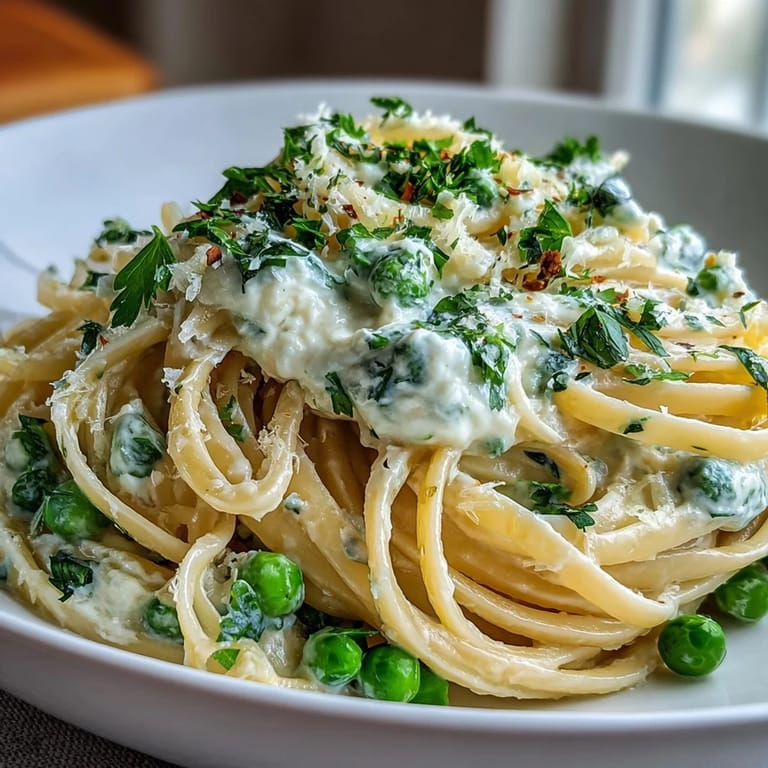
 When we shared this pasta on a sun-drenched patio, it became the centerpiece of spontaneous conversation, slightly tangy, creamy, and joyfully messy—and suddenly, the food felt less like a recipe and more like a celebration. It’s the kind of meal that lingers, turning a routine evening into something unexpectedly charming.
How to Adjust for More Veggies
One tip I picked up after a few rounds is adding spinach or arugula right when the peas hit the skillet. The leaves wilt just enough to blend with the sauce, and the greens offer a fresh layer without overpowering the gentle ricotta and lemon balance. If you use spinach, chop it roughly for easy tossing. Don’t hesitate to try seasonal vegetables if you find them at the market.
Pairing Suggestions for Spring Nights
Cool evenings call for a crisp Sauvignon Blanc or Pinot Grigio—these wines underline the lemony notes and ricotta richness beautifully. A slice of rustic sourdough alongside soaks up every last bit of sauce, and sometimes I sneak in roasted asparagus for crunch. Sharing a light salad with shaved radishes and more parsley ties everything together.
Quick Swaps and Final Touches
If you’re feeling adventurous, swap ricotta for mascarpone for a silkier sauce or use whole-wheat linguine for extra texture. Sprinkle a bit more Parmesan just before serving for dramatic effect, and try a pinch of chili flakes if you want some heat. Don’t forget to zest your lemon only after washing, since any wax or residue spoils the flavor.
- Always check pasta packages for allergens, especially if serving guests.
- For best results, serve immediately—this pasta doesn’t like to rest.
- If you have leftovers, a splash of milk or water will revive the sauce.
 Save to Pinterest
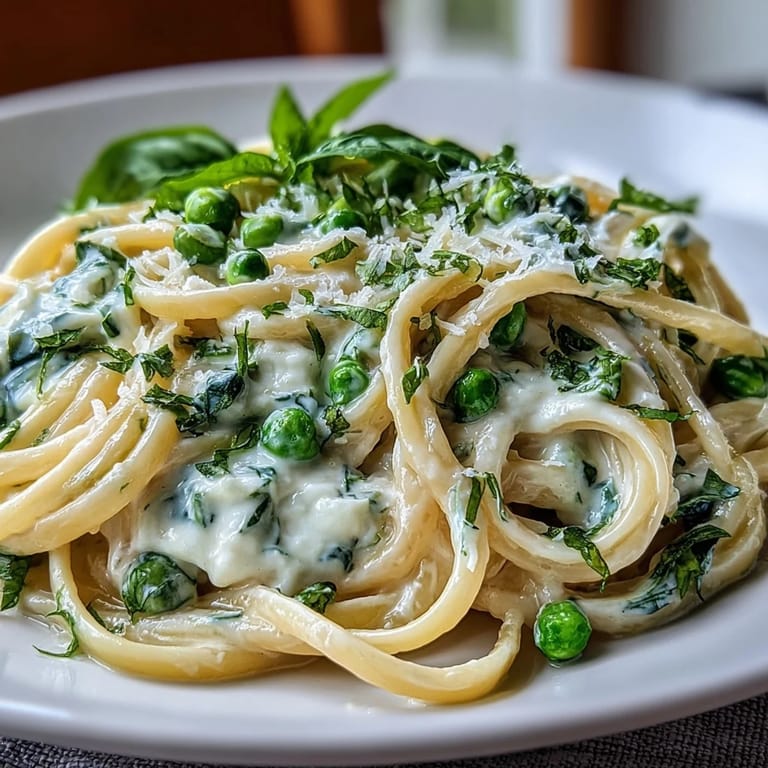
 This pasta tastes even brighter when shared with friends, and each forkful seems to catch a little sunshine. Keep experimenting and let your kitchen be a place for new discoveries.
Recipe FAQs
- → Can I use frozen peas instead of fresh?
Yes, both fresh and frozen peas work well. Simply cook frozen peas a minute longer for tenderness.
- → What pasta shapes can substitute linguine?
Spaghetti, fettuccine, or tagliatelle are great alternatives for this creamy, citrusy pasta.
- → How can I make the sauce even creamier?
Swap ricotta with mascarpone or add a splash of pasta water while tossing for a silkier sauce.
- → Is this dish suitable for vegetarians?
Yes, it uses cheese and dairy but contains no meat, fitting a vegetarian diet.
- → What wine pairs well with this meal?
Try a chilled Sauvignon Blanc or Pinot Grigio, which complement the citrus and creamy notes.
- → Can I add extra greens for freshness?
Absolutely! Toss in baby spinach or arugula with the peas for added color and flavor.