 Save to Pinterest
 I discovered this dish on a whim while rearranging my spice cabinet one afternoon, when a jar of sumac caught the light and suddenly made me think of sunset over sand dunes. That evening, I had friends coming over and nothing prepared, so I grabbed chickpeas, tahini, and pita—the essentials I always keep on hand—and started sculpting. What began as a practical appetizer became something I couldn't stop tinkering with, a playful conversation starter that transformed the whole dinner into an adventure.
My neighbor Marcus tasted this at a casual Friday gathering, and I watched his expression shift from polite interest to genuine surprise when the flavors hit—that moment when someone realizes hummus doesn't have to taste boring. He came back for thirds and kept asking about the sumac dusting, which made me realize how much personality a simple garnish can bring to something so easy.
Ingredients
- Chickpeas: The creamy foundation—always drain and rinse yours well to avoid that tinny metallic taste that ruins everything.
- Tahini: This sesame paste is your secret weapon for that silky texture; don't skimp on quality here, it makes a real difference.
- Fresh lemon juice: Bottled won't cut it; the brightness from fresh juice lifts the entire dish and prevents it from tasting flat.
- Extra-virgin olive oil: Use one you actually like tasting, since it's not being cooked down but drizzled on top where it shines.
- Garlic clove: One is usually enough unless you're a garlic fanatic like I am, in which case mince it fine so it blends seamlessly.
- Ground cumin: A whisper of warmth that connects the chickpeas to something almost mystical—don't overdo it.
- Fine sea salt: Always season gradually and taste as you go; you can add more but can't take it back.
- Cold water: Add it tablespoon by tablespoon to hit that perfect creamy consistency without making watery soup.
- Pita breads: Fresh or day-old both work, but cut them into uneven, curved shapes for that dune-like appearance.
- Smoked paprika: The smoky undertone on the chips echoes desert heat in the most delicious way.
- Sumac or sweet paprika for garnish: This is where the magic happens—the color and slight tartness turn humble hummus into something memorable.
Tired of Takeout? 🥡
Get 10 meals you can make faster than delivery arrives. Seriously.
One email. No spam. Unsubscribe anytime.
Instructions
- Preheat and prepare:
- Set your oven to 375°F and line your baking sheet with parchment paper so the chips release cleanly. This takes two minutes but saves you from scraping burnt hummus bits later.
- Shape the pita:
- Cut your pita breads into irregular, curved triangles that actually look like rolling dunes rather than neat triangles—let your knife wander a bit. Lightly brush both sides with olive oil, which sounds simple but makes the difference between crispy and dry.
- Season the chips:
- Sprinkle each piece with smoked paprika, ground cumin, and salt, tossing them so every edge gets coated. Don't be shy here; you want the flavor to reach every bite.
- Bake until golden:
- Spread the pita pieces in a single layer and bake for 8–10 minutes, turning halfway through so they brown evenly. You'll know they're ready when they sound crispy when bent and smell like toasted spice.
- Make the hummus:
- While the chips toast, combine chickpeas, tahini, lemon juice, olive oil, garlic, cumin, and salt in your food processor. Blend until the mixture goes from chunky to completely smooth—this takes patience, so let it run for a solid minute.
- Adjust the texture:
- Add cold water one tablespoon at a time until the hummus flows like thick yogurt rather than cement. Taste it and adjust salt or lemon juice to your preference; this is where the flavor truly becomes yours.
- Plate like an artist:
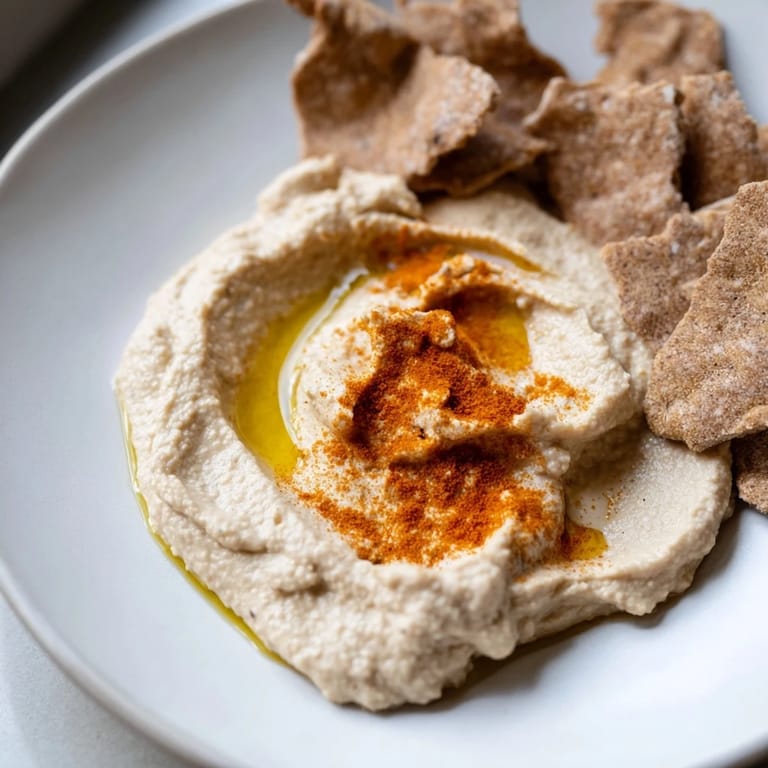
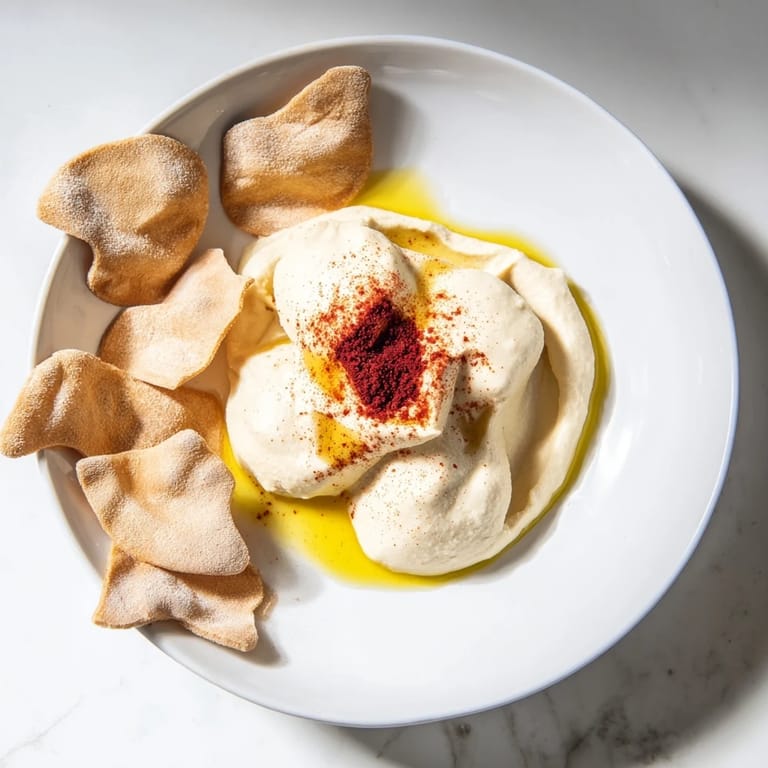
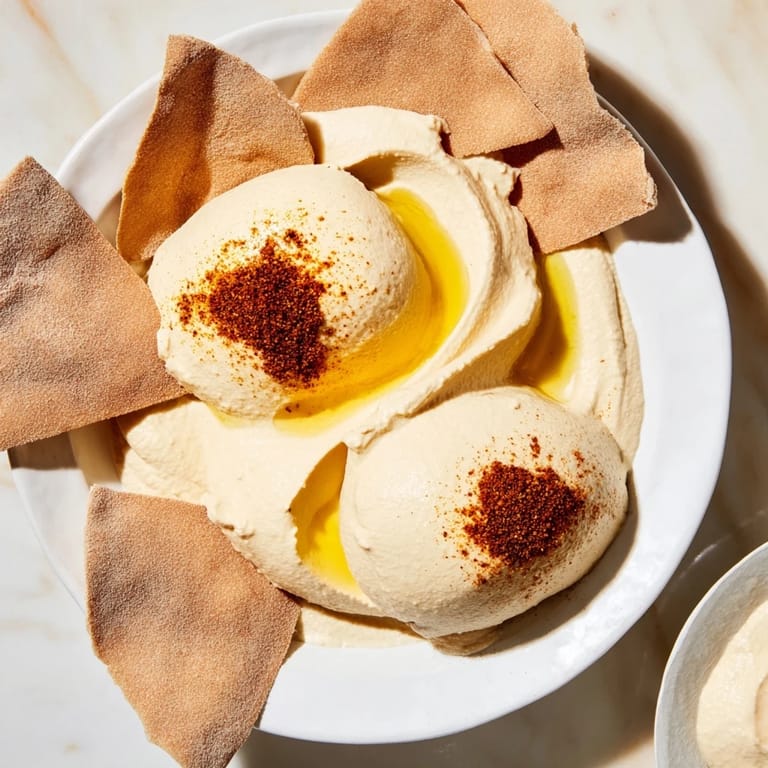
- Use a spoon or offset spatula to shape the hummus into undulating mounds that genuinely mimic desert dunes, leaving gentle slopes and peaks. This takes about a minute but transforms the whole presentation from ordinary to intentional.
- Garnish and finish:
- Drizzle with olive oil in a thin stream, dust with sumac or sweet paprika, and scatter fresh parsley around if you're feeling fancy. Arrange the cooled pita chips around the hummus like they're actually sitting on sand.
 Save to Pinterest
 What struck me most was when my six-year-old nephew asked if the hummus was actually sand from the beach, and suddenly the whole whimsical idea clicked into place. That question reminded me why playing with food, literally arranging it to tell a story, matters more than we usually admit.
The Art of Sculpting Hummus
Shaping hummus into mounds instead of just smearing it flat is one of those small moves that changes how people perceive what they're eating. The dunes aren't difficult to create—you're just using the back of a spoon or a small spatula to push and curve the surface—but they communicate intention. I've learned that people eat first with their eyes, and when you give them something unexpected, they lean in closer, taste more carefully, and often linger longer over a simple appetizer.
Customizing Your Own Version
This recipe is genuinely flexible once you understand the hummus base and the chip seasoning ratio. I've added roasted garlic for deeper warmth, a whisper of cayenne for those who like heat, and once swapped the cumin for a touch of coriander just to see what would happen. The beauty is that you can taste and adjust before serving, so there's no risk in experimenting.
Serving Ideas and Pairings
Beyond the pita chips, this hummus shines alongside crisp sliced cucumbers, carrots, and bell pepper strips—they add cool crunch and a lighter counterpoint to the richness. A crisp white wine like Sauvignon Blanc or even a cold beer cuts through the tahini beautifully, and I've found that people appreciate having options on the table.
- Make the chips earlier in the day and store them in an airtight container so you only have to blend hummus right before guests arrive.
- If gluten is a concern, swap regular pita for gluten-free crackers or even roasted chickpeas for an entirely different texture play.
- Double the hummus recipe if you're feeding more than four people; it keeps for days in the fridge and tastes even better as flavors meld.
 Save to Pinterest
 This dish taught me that appetizers don't need to be complicated to be memorable, and that sometimes the most meaningful moments at the table come from food that invites people to play along with your imagination. Make this, sculpt it with whatever joy or intention you bring, and watch how something so simple becomes the thing people remember.
Recipe FAQs
- → How do I achieve smooth hummus texture?
Blend chickpeas thoroughly with tahini, olive oil, lemon juice, garlic, and cold water. Adding water gradually helps reach a creamy consistency without graininess.
- → What spices add flavor to the pita chips?
Smoked paprika, ground cumin, and fine sea salt provide a warm, smoky flavor that complements the creamy hummus.
- → Can I make the pita chips gluten-free?
Yes, substitute pita chips with gluten-free crackers or gluten-free pita to accommodate dietary needs.
- → What garnishes enhance the dish’s flavor?
Drizzling olive oil, dusting with sumac or sweet paprika, and adding fresh parsley leaves brighten both taste and presentation.
- → How should I serve the hummus and pita chips?
Shape hummus into gentle mounds on a platter and arrange crisp pita chips around them for an inviting, desert-inspired look.