 Save to Pinterest
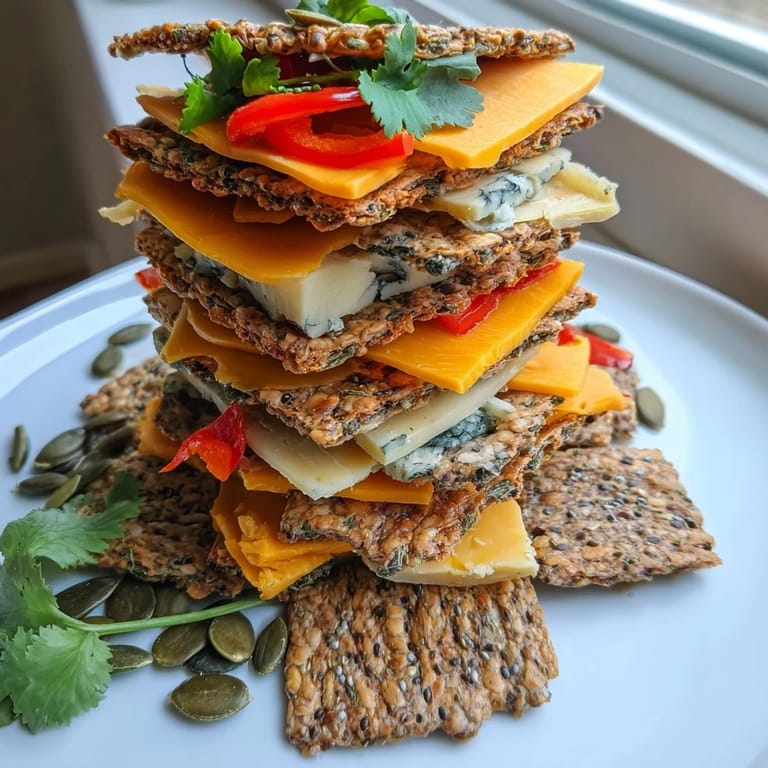
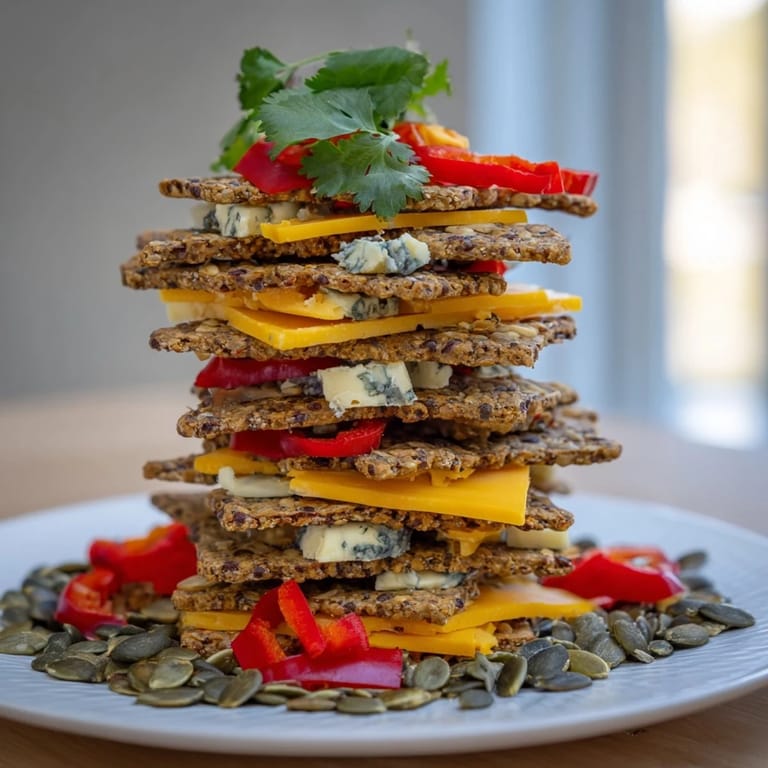
 I first built these towers on a lazy afternoon when a friend texted asking what I was making for dinner—nothing fancy, I said, just snacks. But then I remembered a trip through Arizona, how the mesas looked like stacked geological history, and I thought: why not make something that looked equally dramatic? Thirty minutes later, my kitchen counter had become a landscape of cheese and crackers, and suddenly everyone wanted to know how I'd managed to make something so visually striking in under twenty minutes. That's when I realized the best appetizers are the ones that look like you labored for hours when really you just got a little playful with what was already there.
My sister brought her new partner to dinner once, and I was nervous—you know that feeling, where you want everything to be casual but also somehow perfect. I set these mesa stacks on the table as people arrived, and watching them pick them up gently, almost reverently, asking how I'd stacked them so carefully—that's when I knew I'd found something that works. It wasn't complicated cooking that saved the evening; it was a little creativity and the willingness to play with your food.
Ingredients
- Assorted crackers (24 total, varying shapes and sizes): The mix of multigrain, wheat, rye, and seeded is what makes this look intentional rather than random—each cracker becomes a geological layer with its own texture and color.
- Cheddar cheese (100 g, sliced): The sharp anchor that doesn't let the stack feel like it's leaning too far toward subtlety.
- Pepper Jack cheese (100 g, sliced): Brings a quiet heat that sneaks up only after you've committed to the bite.
- Monterey Jack cheese (100 g, sliced): The smooth diplomat that keeps all the stronger personalities from overpowering each other.
- Smoked gouda (50 g, sliced): A whisper of smoke that makes people pause and ask what they're tasting.
- Blue cheese (50 g, cubed, optional): For when you want to push the complexity further—use it sparingly because it speaks loudly.
- Red bell pepper (1 small, thinly sliced): Not just garnish; these add a crisp sweetness that cuts through the richness of the cheese.
- Fresh cilantro leaves (2 tablespoons): Brings that Southwestern whisper without making anyone uncomfortable.
- Jalapeño (1 small, thinly sliced, optional): The question mark at the end of the sentence, there if you want it.
- Toasted pumpkin seeds (1 tablespoon): These aren't just decoration—they add crunch and a subtle earthiness that grounds the whole composition.
Tired of Takeout? 🥡
Get 10 meals you can make faster than delivery arrives. Seriously.
One email. No spam. Unsubscribe anytime.
Instructions
- Slice and prepare the cheese:
- Cut each cheese type into slices slightly smaller than your crackers so they won't slide out sideways when bitten. I learned this the hard way by watching a stack collapse on someone's white shirt at a party.
- Plan your arrangement:
- Before you start stacking, lay out your crackers and cheeses on the platter so you can see what you're working with. This takes thirty seconds but prevents the moment when you realize you've used all your pepper jack three stacks in.
- Begin building your first mesa:
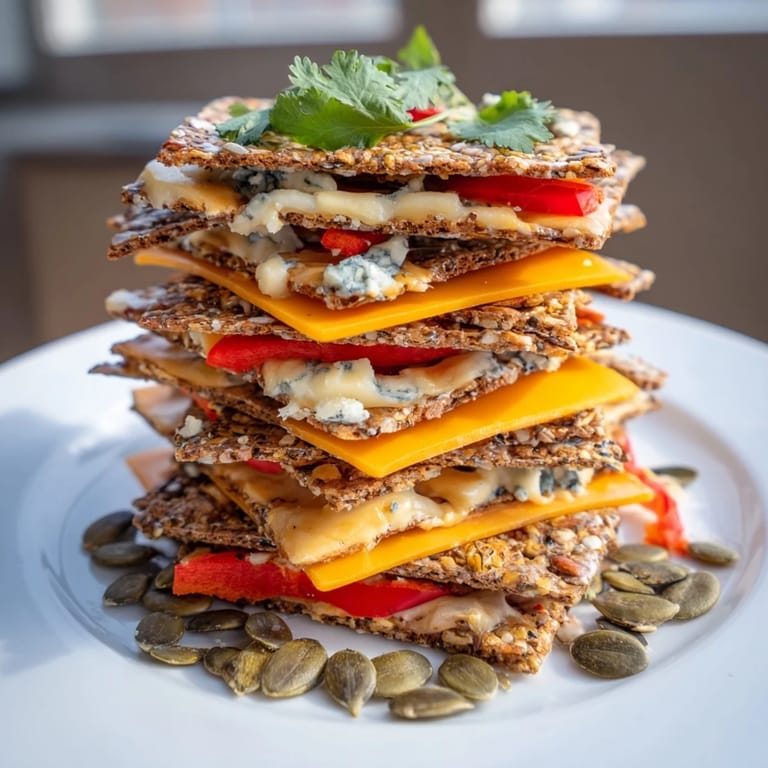
- Start with a cracker as your base, add a slice of cheese, then another cracker. Vary the cheese types as you go up, aiming for stacks between three and seven layers tall.
- Create visual variation:
- Don't make all the stacks the same height or cheese combination. The irregular landscape is what makes this feel intentional rather than assembled.
- Tuck in the vegetables:
- As you build, slide bell pepper, cilantro, or jalapeño between layers so they peek out slightly. These add color and suggest that something alive and growing exists in this cheese landscape.
- Finish the desert floor:
- Sprinkle toasted pumpkin seeds around the base of all your stacks. They should look like they rolled down from somewhere, creating a sense of place.
- Serve or hold:
- Serve immediately while everything tastes bright and the crackers still have their snap, or cover loosely with plastic wrap and refrigerate for up to four hours.
 Save to Pinterest
 There's something about watching someone you care about take their time with food you've made—the small pause before they bite, the way they look at it first—that changes how you see cooking. These stacks stopped being appetizers and became tiny edible invitations to slow down and look at what's in front of you.
Why This Works as an Appetizer
Appetizers sit in a strange middle ground where they need to be impressive enough to set a tone but not so filling that dinner feels like a footnote. These mesas work because they look like you've done something ambitious while actually asking almost nothing of you in return. The stacking itself becomes theater—guests watch you build or catch you mid-arrangement, and suddenly everyone's paying attention. It's one of those rare dishes where presentation and taste are equally important, and they support each other rather than compete.
The Southwest Flavor Story
Pepper Jack, smoked gouda, cilantro, and jalapeño—these aren't random choices; they're a conversation about a place. The American Southwest has a flavor language that's warm, slightly smoky, with edges of heat balanced by cool cilantro. When you layer these cheeses together, you're not just stacking—you're building a place someone can taste. The pumpkin seeds at the base ground it all, bringing an earthiness that feels honest to the region without being obvious about it.
Adaptations and Expansions
This is a foundation, not a rule. I've added thin slices of cured chorizo between layers for depth, swapped in sun-dried tomatoes for a tart note, even used different crackers to change the entire personality of a stack. The beauty is that you can build these stacks hours ahead, so they're perfect for parties where you want something that looks intentional but doesn't demand your attention while you're talking to guests. For gluten-free friends, substitute gluten-free crackers without changing anything else—the stacks will hold just as beautifully.
- Add thin slices of cured chorizo or prosciutto between layers for a savory depth that catches people off guard.
- Try sun-dried tomatoes for a tangy brightness, or thin apple slices if you want to push into unexpected territory.
- Gluten-free crackers work perfectly and won't make anyone feel like an afterthought.
 Save to Pinterest
 These towers are proof that the best food doesn't have to be complicated—it just has to be thoughtful. Serve them as an opening gesture, a way of saying you cared enough to make something that's as interesting to look at as it is to eat.
Recipe FAQs
- → What types of cheeses work best for these stacks?
Medium to semi-hard cheeses like cheddar, pepper jack, Monterey Jack, smoked gouda, and blue cheese offer great flavor contrasts and stacking stability.
- → How can I add extra flavor to the stacks?
Incorporate thin slices of cured meats or sun-dried tomatoes between layers for depth and a savory kick.
- → Can I make these stacks gluten-free?
Yes, simply substitute regular crackers with gluten-free varieties to accommodate dietary needs.
- → What is the best way to assemble the stacks for stability?
Slice cheeses slightly smaller than the crackers and alternate layers evenly. Vary heights from 3 to 7 layers to mimic natural formations.
- → Which beverages pair well with these stacked layers?
Light, crisp wines such as Sauvignon Blanc or a dry rosé complement the rich cheeses and fresh garnishes beautifully.