 Save to Pinterest
 I still remember the first time I arranged an umami bomb board for friends who thought vegetables couldn't be the star of the show. It was a rainy Tokyo evening, and I'd just discovered that when you layer mushrooms, seaweed, and fermented ingredients with intention, you create something that tastes like pure umami—that fifth taste that makes people close their eyes and smile. Now, every time I build one of these boards, I'm transported back to watching my guests' faces light up as they realized that vegetables could be just as craveable as any meat or cheese.
I made this board for the first time when my friend Sarah declared she was trying plant-based eating. Instead of making her a sad little side plate, I decided to build something so luxurious and craveable that everyone would want what she was having. By the end of the evening, even the skeptics were asking for the recipe, and Sarah told me it was the moment she realized eating this way didn't mean giving anything up.
Ingredients
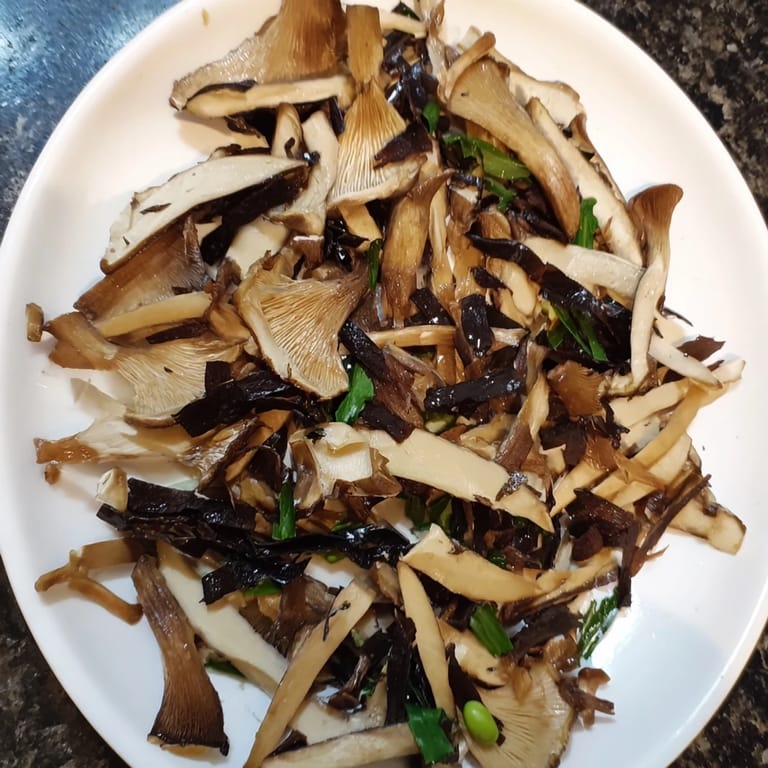
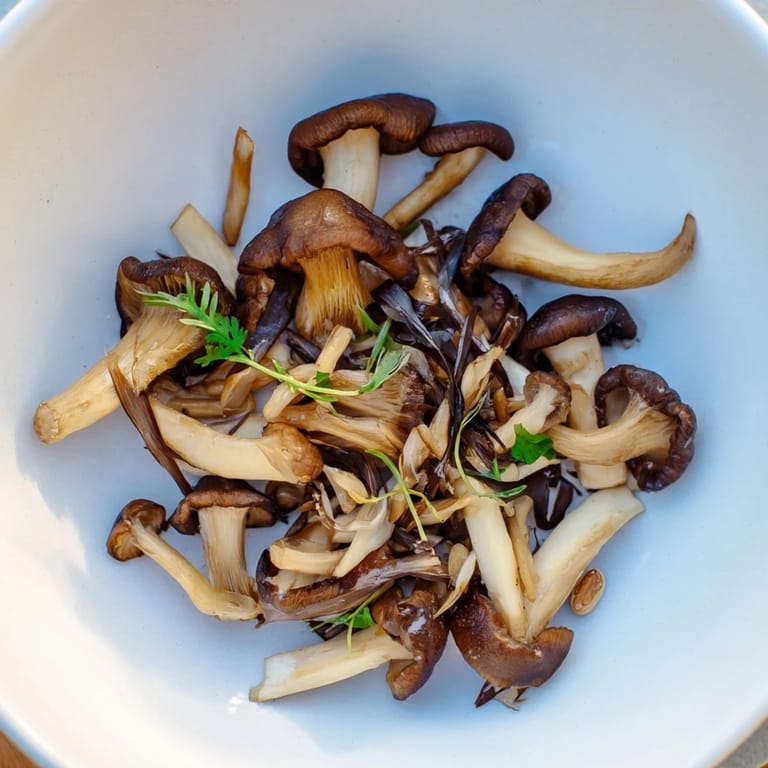
- Shiitake mushrooms: These are the superstars—when you sauté them in sesame oil and soy sauce, they develop this meaty, deeply savory character that will surprise anyone who thinks mushrooms are delicate
- King oyster mushrooms: Their firm texture holds up beautifully when sliced thin and cooked, and they absorb the umami glaze like little flavor sponges
- Enoki mushrooms: These delicate, pale strands stay light and crispy after a quick blanch, adding an elegant textural contrast to the cooked mushrooms
- Sesame oil: Just one tablespoon goes a long way—this is your secret weapon for that toasted, nutty depth
- Soy sauce or tamari: The fermented backbone of this entire board; tamari is your friend if you're serving gluten-free guests
- Mirin: Optional, but it adds a subtle sweetness that rounds out the saltiness and makes the mushrooms shine
- Roasted seaweed snacks: These become the canvas for your first fan arrangement—thin, crispy, and already salted perfectly
- Nori strips: Cut fresh seaweed into strips for a more delicate presentation than the snacks
- Seasoned seaweed salad: This brings another layer of umami and a slippery, slightly sweet element
- Pickled daikon radish: The acidity and crunch cut through the richness and refresh your palate between bites
- Pickled ginger: Not just for sushi—this adds a bright zing that keeps the board from feeling one-note
- Edamame: Steamed and shelled, these little green gems add protein, sweetness, and a pop of color
- Black garlic: Intensely umami with a molasses-like sweetness, these are what make people ask what that mysterious ingredient is
- Fermented black beans: Rinsed and drained to remove excess salt, these add an earthy, funky depth
- Roasted cashews or peanuts: Choose based on allergies, but these provide the satisfying crunch that makes the board feel complete
- Fried shallots: Crispy, golden, and aromatic—these are the finishing touch that adds textural drama
- Fresh coriander and chives: Freshness and brightness to balance all the deep, funky flavors
- Red chili: Optional, but a few thin slices add visual pop and a gentle heat
- Ponzu and sesame dressing: These aren't afterthoughts—they're the dip-and-flavor-unlock tools that let guests customize each bite
Tired of Takeout? 🥡
Get 10 meals you can make faster than delivery arrives. Seriously.
One email. No spam. Unsubscribe anytime.
Instructions
- Sauté the meaty mushrooms:
- Heat your sesame oil in a skillet over medium-high heat until it's fragrant and just beginning to shimmer. Add your sliced shiitake and king oyster mushrooms—they should sizzle immediately. Let them cook untouched for a minute or two so they develop a golden crust, then toss and keep cooking for 4-5 minutes total until they're deeply browned and smell incredible. Pour in the soy sauce and mirin if using, toss everything together for about a minute, then remove from heat. This is where the magic happens—the mushrooms soak up all that umami goodness and become something special. Let them cool completely before arranging.
- Prepare the delicate enoki:
- Bring a small pot of water to boil and give your enoki mushrooms a 30-second blanch—just enough to soften them slightly and remove any rawness. Drain them well and let them cool on a clean kitchen towel. Don't skip this step; it changes their texture in a way that makes them feel refined on the board.
- Create your first fan arrangement:
- This is where your board becomes art. Take a roasted seaweed snack and slice it in half lengthwise if you want thinner fans, or use whole sheets. Arrange them on your large serving board in an overlapping fan pattern—think of how peacock feathers spread out. This isn't about perfection; it's about creating visual movement. Let some edges overlap, let some stick up at angles. It should feel organic, not rigid.
- Build the seaweed layers:
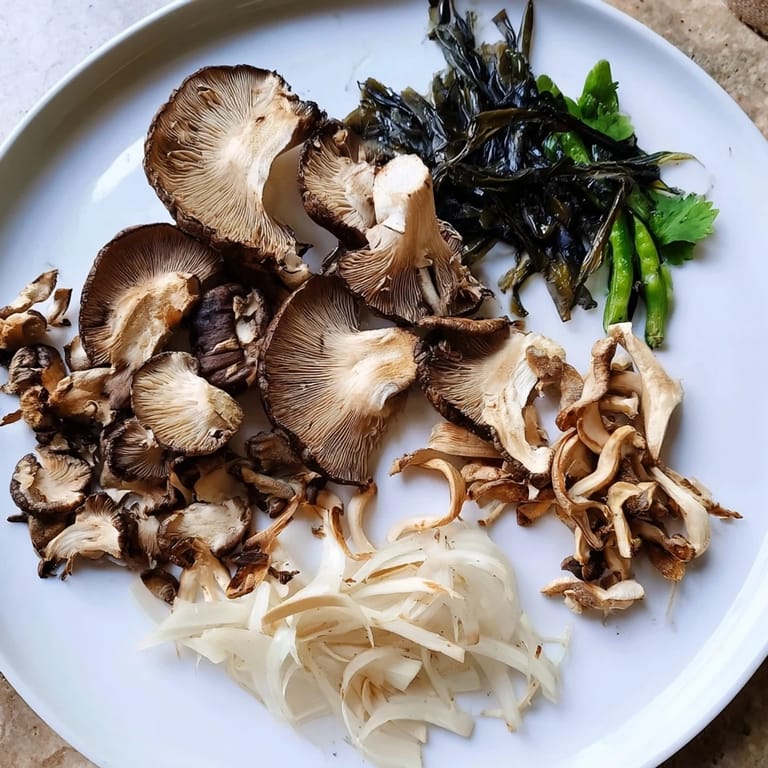
- Create additional fans using nori strips and seaweed salad. Alternate the textures and colors—the dark nori against the lighter roasted snacks, the glossy salad between the crispy elements. Each fan should tell a different story through texture.
- Fill the spaces with intention:
- Now you're placing the supporting players. Create small piles of pickled daikon, pickled ginger, steamed edamame, black garlic cloves, and fermented black beans. Don't scatter them randomly—group similar items together so guests understand there are distinct flavors to explore, but arrange the groups so they're visually balanced across the board.
- Add the textural finishing touches:
- Scatter your roasted cashews and fried shallots across the board—these are your crunch elements, and they should be visible in multiple spots so every bite has a chance to hit different textures. Sprinkle coriander leaves and chopped chives over everything, and add thin slices of red chili if using. Step back and look at it. Does it feel alive and abundant? If something looks bare, that's where you add a handful of herbs or nuts.
- Position your dipping sauces:
- Pour your ponzu and sesame dressing into small bowls and nestle them into any remaining negative space on the board. These aren't decorations—they're the key to unlocking different flavor combinations with each bite.
- Serve with intention:
- Bring this board to the table and watch people's faces. Encourage them to create their own combinations—a bit of fried shallot with black garlic, a piece of seaweed with pickled daikon, a dip into ponzu followed by a bite of cashew. This is interactive eating at its finest.
 Save to Pinterest
 The moment I knew this board had become more than just food was when my nephew, who usually pushes vegetables to the side of his plate, grabbed a handful of fried shallots mixed with black garlic and asked for seconds before touching anything else. It wasn't about tricking him or hiding vegetables—it was about presenting them in a way that honored their actual deliciousness. That's when I realized this board was about changing the conversation.
The Umami Principle
Umami is the fifth taste, and once you understand it, you'll never cook the same way again. It's that savory, mouth-filling satisfaction you get from aged Parmesan, a perfectly ripe tomato, or a bowl of bone broth. On this board, you're layering umami from multiple sources: the glutamates in soy sauce and seaweed, the nucleotides in mushrooms, the fermented funk of black beans and black garlic. None of these ingredients are subtle on their own, but together they create a depth that tastes almost meaty. This is why vegetarians aren't missing anything when they eat this board—they're experiencing pure umami satisfaction.
Building Your Board Like a Visual Artist
The presentation of this board matters as much as the flavors because we eat with our eyes first. Think about color contrast: the dark seaweed against light edamame, the golden fried shallots, the bright green coriander, the deep purple-black of the black garlic. Think about texture variation: crispy next to creamy, smooth next to bumpy. Think about creating focal points—maybe the fans are the stars, and everything else supports them. Or maybe you make the black garlic the centerpiece because it's the ingredient people will ask about. There's no one right way to arrange this, but intention matters. Your board should invite people to explore.
Customization and Adaptation
This board is flexible in ways that make it perfect for any gathering. For vegan guests, just make sure your seaweed snacks and dressings don't contain fish-based ingredients, and swap any mayo-based components for plant-based alternatives. Want to add protein? Crispy tofu slices or marinated tempeh become beautiful fans on their own. Have guests who don't like mushrooms? Swap in thinly sliced portobello or maitake, or even add some crispy roasted chickpeas for that savory crunch. The principle stays the same: layer umami-rich, fermented, and crunchy ingredients until you have something irresistible.
- Always have a gluten-free option for soy sauce (tamari works perfectly and tastes identical in this context)
- Check every jar and package for allergens—soy, sesame, and tree nuts are the big ones here, but fermented products sometimes surprise you
- If you're prepping ahead, keep the cooked mushrooms separate from everything else and only assemble the board 30 minutes before serving so the steam doesn't make anything soggy
 Save to Pinterest
 This board teaches you that eating can be theatrical, generous, and deeply satisfying without being complicated. Build one, and you'll build them again.
Recipe FAQs
- → What mushrooms are best for this board?
Shiitake and king oyster mushrooms provide savory depth, with enoki adding delicate texture after blanching.
- → How do I enhance the umami flavors?
Using soy sauce, mirin, black garlic, and fermented black beans enriches the umami profile beautifully.
- → Can I make this board vegan?
Yes, ensure all sauces and pickled components are plant-based, and add grilled tofu or tempeh for protein.
- → What garnishes add texture to the board?
Roasted cashews or peanuts, fried shallots, fresh coriander, and chives provide crunch and freshness.
- → How should the elements be arranged?
Arrange mushrooms and seaweed in overlapping fan shapes, filling gaps with pickled items and garnishes for visual appeal.