 Save to Pinterest
 I'll never forget the afternoon my sister called with an unexpected guest list for her engagement party—forty people, no time, and a strict request: no alcohol. Standing in my kitchen at three in the afternoon, I realized this was the perfect moment to create something I'd been dreaming about for years: a celebration spread so beautiful and refreshing that nobody would miss a drop of champagne. The idea bloomed instantly—sparkling mocktails in jewel tones, arranged alongside an abundance of cheeses, fruits, and crisp bites that felt both elegant and joyful. It became the most toasted toast of the night, and I learned that celebration doesn't need alcohol; it needs intention, color, and the kind of food that makes everyone feel included.
I remember my friend Marcus standing in front of that spread with genuine tears in his eyes—not because of the food itself, but because he finally felt like he belonged at a celebration designed around him, not despite his choices. That moment shifted something in how I think about feeding people. It's not about what you're serving; it's about the message behind it: you matter, and your joy matters just as much.
Ingredients
- Non-alcoholic sparkling white grape juice: This is your elegant base, and the chilling part is essential—cold liquid carries celebration better than room temperature ever could
- Non-alcoholic sparkling rosé: The blush-colored hero that makes everything feel sophisticated and slightly fancy without the alcohol bite
- Alcohol-free sparkling apple cider: Bring this if you want autumn in a bottle, even if it's summer—nobody will question your choices
- Fresh raspberries and mint: These aren't just garnish; they float in the pitcher like tiny jewels that tell guests this was made with care
- Lemon, thinly sliced: The brightness here cuts through richness and makes every sip taste like clarity
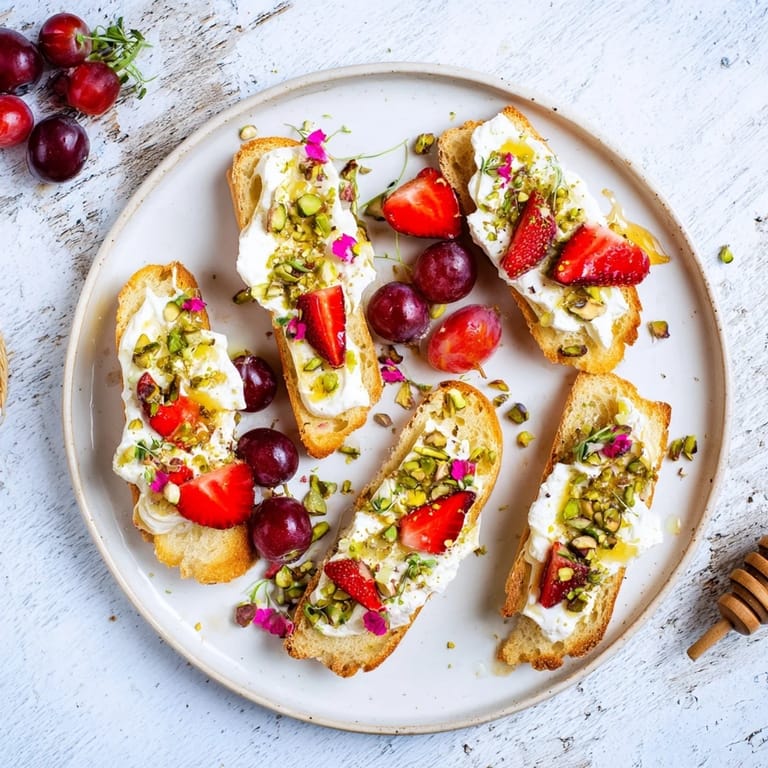
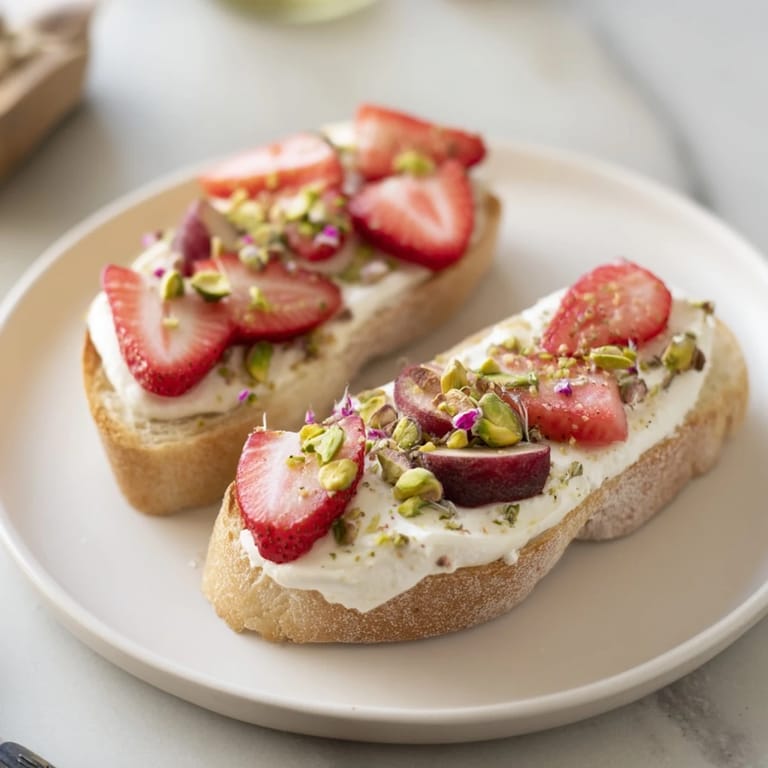
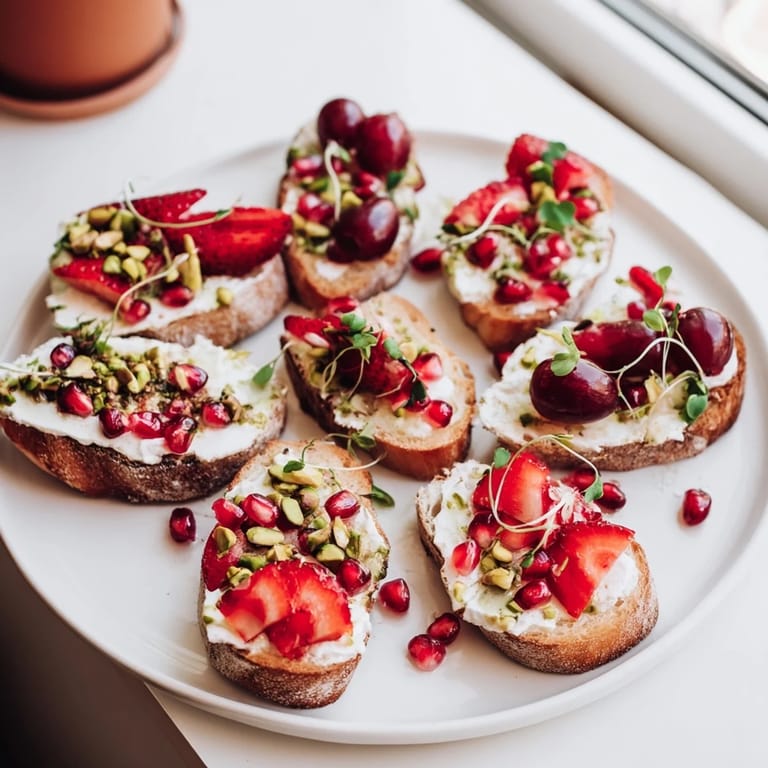
- French baguette, thinly sliced and toasted: Don't skip the toasting—it transforms bread from filler into structure, something that actually holds toppings instead of crumbling in embarrassment
- Fresh goat cheese: Creamy, slightly tangy, and elegant in a way that says you understand flavor
- Ricotta cheese: Lighter and sweeter than goat cheese, it becomes almost dessert-like when you drizzle it with honey
- Honey: A golden thread connecting cheese to fruit, sweet but not cloying—this is your edible jewelry
- Chopped pistachios: Brings color and crunch; they actually make a difference in how the eye travels across the platter
- Seedless red grapes and fresh strawberries: These are your burst-of-juice moments, the ones that make people close their eyes briefly
- Cucumber, thinly sliced: Cool, refreshing, and surprisingly elegant when arranged in slight overlaps
- Cherry tomatoes, halved: Their sweetness surprised everyone I've made this for—they expect savory and get summer
- Marinated artichoke hearts: Already seasoned and ready to shine, they add complexity without extra work
- Mixed olives: The salty counterpoint that makes the sweet things taste even sweeter
- Roasted almonds: Pure crunch, the kind that makes people reach back for more
- Dried apricots: Chewy, concentrated fruit flavor that bridges the sweet and savory sections beautifully
- Microgreens or edible flowers: Optional, but they're the difference between a spread and a showstopper—they catch light and attention
- Flaky sea salt and black pepper: The final whisper that elevates everything, applied with a light hand like you're blessing each bite
Tired of Takeout? 🥡
Get 10 meals you can make faster than delivery arrives. Seriously.
One email. No spam. Unsubscribe anytime.
Instructions
- Chill your vessels first:
- About fifteen minutes before you begin, fill your pitchers or carafes with ice or chill them in the freezer. Cold glass makes the whole operation feel more intentional and keeps your drinks at their best longer than you'd expect.
- Build your sparkling drink stations:
- Pour each sparkling beverage into its own pitcher—they're different enough that they deserve their own spotlight. Add a generous handful of raspberries, a handful of mint leaves, and several lemon slices to each. Watch how the fruit floats and catches light; this is half the magic right here.
- Toast your bread mindfully:
- Slice your baguette thin—about a quarter-inch—and arrange on a baking sheet. Toast at four hundred twenty-five degrees for about eight to ten minutes, until they're golden and crisp all the way through. You want them sturdy enough to hold toppings without becoming cracker-hard and impossible to eat gracefully.
- Prepare your cheese presentations:
- Place your goat cheese in a small shallow bowl and drizzle it generously with honey. Scatter pistachios over top like you're creating a tiny edible landscape. Put ricotta in a separate small bowl—it's lighter and should feel different from the goat cheese, almost like a different course.
- Arrange with intention, not chaos:
- Start with your largest platter or wooden board. Place the toasted bread slices along one edge or in a small cluster—they're your foundation. Position your cheese bowls as anchor points, then build around them. Think in groups: put all the grapes together in one small cluster, the strawberries in another, the tomatoes in their own section. Scatter almonds in little piles where the eye might rest. Arrange cucumber slices in slight overlaps, almost like roof tiles.
- Add depth with vegetables and preserved items:
- Nestle the artichoke hearts and olives in small groups or shallow bowls between your fresh items. This creates natural pathways for guests to graze, and bowls keep things tidy as people help themselves.
- Crown with garnish:
- Just before serving, if you're using microgreens or edible flowers, scatter them across the platter with a light hand. They'll catch light and make everything feel celebratory and alive. Add a final whisper of flaky sea salt and cracked black pepper over the cheeses and vegetables.
- Chill until the moment of service:
- If you've made this more than thirty minutes before guests arrive, loosely cover the platter with plastic wrap and refrigerate. The cold will keep everything at its brightest and crispest.
 Save to Pinterest
 What surprised me most wasn't the food itself, but watching how this spread changed the entire energy of the gathering. Without the ritual of cocktail-making, people actually stayed longer at the table, talking and reaching for things unhurriedly. Someone's mother, who usually felt sidelined at parties because she didn't drink, suddenly became the most engaged person in the room, pointing out flavor combinations to others and teaching people which olives went best with which cheese. That's when I understood: the best spreads aren't about impressive ingredients—they're about belonging.
The Art of Building Your Platter
There's a rhythm to creating a board that feels both abundant and organized. Start by imagining your platter in thirds or quarters, depending on the shape. One section for cheese, one for bread, one for fresh produce, one for preserved and savory items. Within each section, vary the heights and textures—a bowl of cheese sits higher than sliced vegetables, almonds scattered nearby catch light differently than grapes. Think of it like composing music; the eye should travel across the platter the same way an ear experiences melody. Colors matter more than you'd think: the deep red of grapes next to pale ricotta, golden honey catching light, the green of cucumber against the pink of strawberries. This isn't decoration; it's the language of invitation.
Making This Spread Your Own
The beauty of this spread is that it's a framework, not a prescription. Swap white grape juice for pomegranate if you want deeper color and flavor. Use whipped feta instead of ricotta if you're drawn to tanginess. Have gorgeous stone fruits in season? Swap them in for dried apricots. Prefer roasted hazelnuts to almonds? Your guests won't know this wasn't your original plan, they'll just taste your attention. The seasonal vegetables in your market are actually better guides than my ingredient list—that's the real wisdom of flexible cooking. I once made this in late summer with fresh stone fruits and local honey from the farmer's market, and it became something entirely different and entirely perfect. This is how recipes become part of your life instead of something you borrowed.
Why This Works for Every Celebration
Whether you're hosting a bridal shower, a birthday gathering, a casual afternoon with friends, or a milestone celebration where you want everyone to feel truly included, this spread carries meaning beyond the food itself. It says: I thought about you. I wanted everyone here to feel celebrated the same way. I took time to make something beautiful. The zero-proof nature of it means nobody has to explain themselves or apologize for their choices, and that kindness creates room for everyone to relax. People remember how they felt more than what they ate, and this spread makes people feel seen and welcomed. That might sound like a lot of weight for cheese and fruit to carry, but honestly, that's exactly what good food does.
- Prep your ingredients the night before and store them properly—diced vegetables in water, cheeses in covered containers, almonds in an airtight container—so the morning-of is actually peaceful
- Set up your platter in a cool part of your kitchen or on a table away from direct sunlight, which will wilt delicate greens and make things sweat
- Have small plates, napkins, and small spreaders or cheese knives nearby so people can serve themselves gracefully without reaching across others
 Save to Pinterest
 This spread has become my answer to the question I didn't know I'd been asking for years: how do we celebrate in ways that make sure everyone belongs? Every time I make it, I think of Marcus and my sister and all the moments in between when food became permission—permission to be yourself, to taste joy, to know you're considered. That's the real recipe, and everything else is just the delicious proof.
Recipe FAQs
- → What sparkling drinks are included?
Non-alcoholic sparkling white grape juice, rosé, and apple cider, chilled and garnished with raspberries, mint, and lemon slices.
- → Which cheeses complement the spread?
Fresh goat cheese and ricotta provide creamy and mild textures that pair well with honey and pistachios.
- → Can I substitute ingredients if unavailable?
Yes, seasonal fruits and vegetables can be swapped in, as well as plant-based cheeses and maple syrup for vegan options.
- → How should the light bites be arranged?
Artfully organize toasted baguette slices, cheeses, fruits, olives, and nuts on a large platter or wooden boards for a festive display.
- → Are there allergen considerations?
This spread contains dairy, nuts, and wheat. Check packaged products for specific allergen warnings before serving.