 Save to Pinterest
 There's something about the smell of ginger hitting hot oil that makes me pause whatever I'm doing and just breathe it in. My neighbor knocked on my door one evening asking if I was cooking something amazing, and honestly, it was just these noodles—but the aroma had drifted right through the walls. That's when I knew this dish had staying power, the kind that fills a kitchen and makes people curious about what's happening on the stove.
I made this for my sister after she mentioned craving takeout but not wanting to spend the money, and watching her face light up when she took that first bite made me realize this humble bowl of noodles was doing something right. She asked for the recipe before she'd even finished eating, which felt like the ultimate compliment.
Ingredients
- Wheat noodles (350 g): Lo mein, ramen, or even spaghetti works beautifully; the key is cooking them to al dente so they hold the glaze without getting mushy.
- Neutral oil (4 tbsp): Canola or grapeseed won't compete with the other flavors and can handle the heat without burning.
- Scallions: Separating the white and green parts matters more than you'd think—the whites go into the hot oil first for depth, while the greens finish the dish fresh and crisp.
- Fresh ginger (2 tbsp, minced): This is your aromatics powerhouse; don't skip it or substitute powdered ginger, as the bright, sharp bite of fresh is irreplaceable.
- Garlic cloves (2, minced): Adds a savory backbone that ties the whole glaze together.
- Red chili (optional): A single small chili gives gentle heat without overpowering the other flavors, but leave it out if you prefer milder dishes.
- Soy sauce (4 tbsp): The umami foundation; regular soy sauce is fine, but dark soy adds a deeper color and richer depth if you have it.
- Dark soy sauce (1 tbsp, optional): Brings complexity and a darker hue that makes the dish look restaurant-worthy.
- Oyster sauce (1 tbsp): Creates a subtle sweetness and depth; use vegan oyster sauce for a plant-based version.
- Brown sugar (1 tbsp): Balances the salty-savory elements with a whisper of sweetness that rounds out the flavor profile.
- Rice vinegar (1 tbsp): The acidic note that prevents the dish from tasting flat or one-dimensional.
- Toasted sesame oil (1 tsp): A little goes a long way; this adds a toasty, nutty finish that tastes like you know what you're doing.
- Water (2 tbsp): Thins the glaze so it coats the noodles evenly rather than sitting as a thick paste.
- Toasted sesame seeds: Sprinkled on top for crunch and visual appeal, plus a nutty flavor boost.
- Fresh cilantro (optional): If you like it, a handful of leaves adds brightness and a cooling effect that complements the ginger warmth.
Tired of Takeout? 🥡
Get 10 meals you can make faster than delivery arrives. Seriously.
One email. No spam. Unsubscribe anytime.
Instructions
- Boil the noodles:
- Follow your package directions and cook them until just al dente—still with a tiny bit of resistance when you bite them. Drain them quickly and run cold water over them for a moment to stop the cooking process and prevent them from clumping together.
- Build the glaze:
- Whisk together your soy sauce, dark soy sauce if using, oyster sauce, brown sugar, rice vinegar, sesame oil, and water in a small bowl. The sugar should dissolve as you stir, and the mixture should smell deeply savory and slightly sweet.
- Awaken the aromatics:
- Heat your neutral oil in a large skillet or wok over medium heat until it shimmers slightly. Add the white parts of your scallions, the minced ginger, garlic, and red chili if using, then stir-fry for about a minute until the kitchen fills with that incredible fragrant smell—you're looking for aromatic and fragrant, never brown or burnt.
- Bring the noodles in:
- Add your cooked noodles to the skillet and toss everything together, breaking up any clumps gently with your wooden spoon and making sure the aromatics coat every strand.
- Glaze and finish:
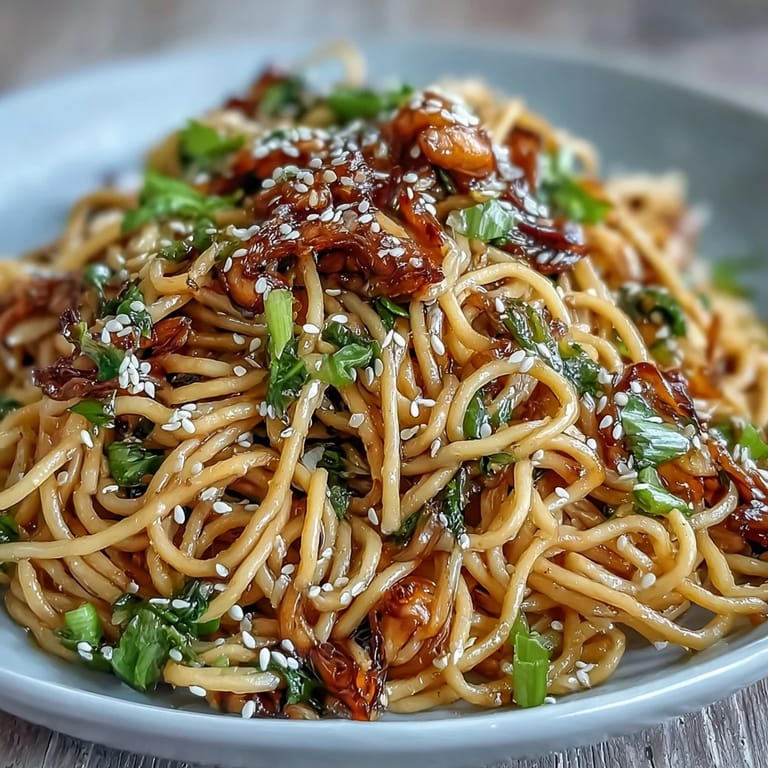
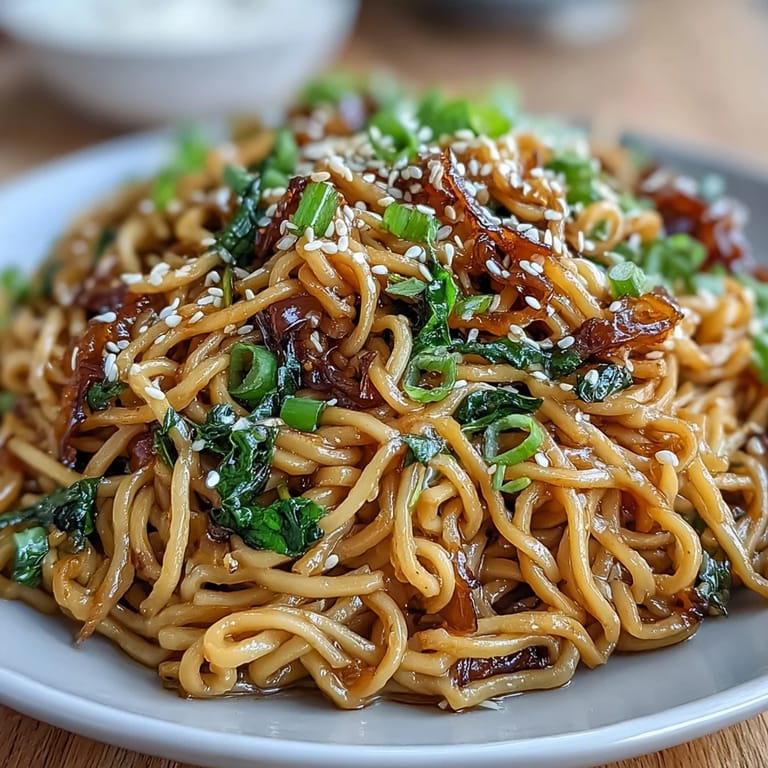
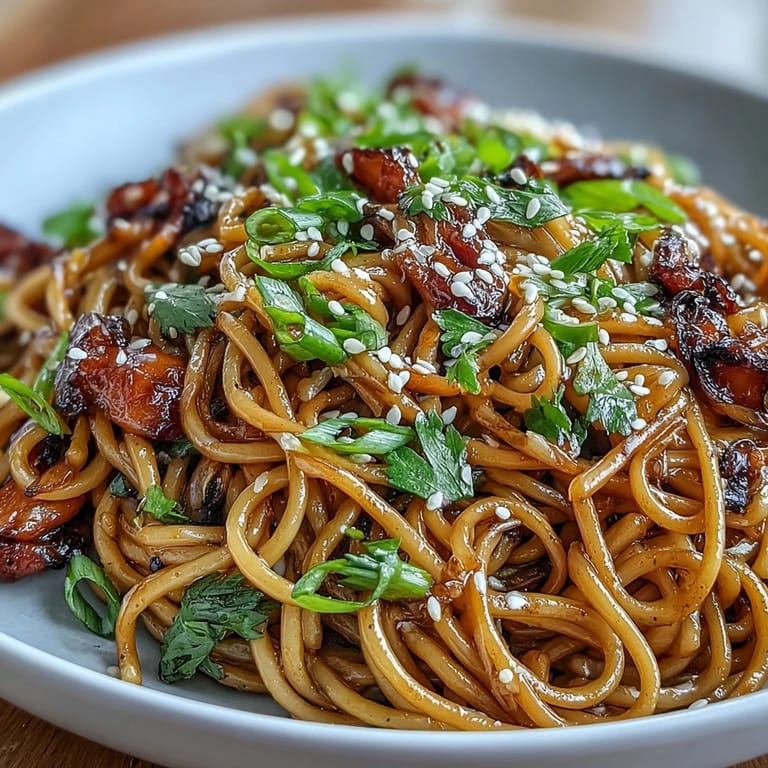
- Pour your prepared soy glaze over the noodles and toss continuously for 2 to 3 minutes, letting the heat activate the flavors and create a light, glossy coating rather than a heavy sauce. The noodles should smell incredible and look shiny.
- Last-minute freshness:
- Remove from heat, scatter the green parts of your scallions over everything, and give it one final gentle toss so the greens stay crisp rather than wilting completely.
- Serve with love:
- Plate immediately while hot, then sprinkle toasted sesame seeds and any cilantro over the top. The longer it sits, the more the noodles absorb the liquid, so eat right away.
 Save to Pinterest
 My friend who claims they can't cook stood at my stove and made this dish while I sat at the kitchen table talking them through it, and by the end they felt like a real cook. That's when it hit me that this recipe doesn't require skill so much as it requires good ingredients and willingness to pay attention to what's happening in the pan.
Why This Dish Becomes a Weeknight Favorite
Once you've made this once, you'll find yourself making it on nights when you're tired but don't want to resort to takeout. The ingredients list looks longer than it is because most of it is the pantry-stable glaze you'll have on hand after the first time. The whole process feels meditative—the chopping, the sizzle, the smell—and before you know it you're eating something that tastes like it took much more effort than it actually did.
Customizing Your Bowl
The beauty of this dish is that it's a canvas for whatever vegetables you have around. Sautéed mushrooms add an earthy deepness, shredded carrots bring sweetness, bok choy adds a tender crunch, and snap peas keep things bright. You can even toss in a handful of spinach or tender greens right at the end and let the residual heat wilt them into the noodles.
Taking It Further
A side of pickled cucumbers cuts through the richness beautifully, or if you like heat, a drizzle of chili oil at the table lets people adjust the spice level to their taste. Some nights I'll add a fried egg on top because the runny yolk becomes an instant sauce, and other times I'll keep it purely vegetable-forward depending on what I'm craving.
- For vegan versions, swap oyster sauce for vegan oyster sauce or a splash of extra soy sauce and a pinch of sugar.
- Make the glaze ahead of time so on busy nights you're really just cooking noodles and heating aromatics.
- Double the aromatic mixture if you want an extra-fragrant batch or if you're cooking for a crowd.
 Save to Pinterest
 This dish proves that simple ingredients handled with intention create something that tastes far more complex than it has any right to. Make it once and you'll understand why it became my go-to recipe for nights when good food matters but time doesn't.
Recipe FAQs
- → What type of noodles work best for this dish?
Wheat-based noodles like lo mein, ramen, or even spaghetti are excellent choices for achieving the right texture and absorbing the soy glaze flavors.
- → Can I make this dish vegan?
Yes, substitute traditional oyster sauce with a vegan oyster alternative or increase soy sauce to maintain depth without animal products.
- → How do I prevent the noodles from sticking together?
Rinse the cooked noodles under cold water briefly after boiling and toss them with a small amount of oil to keep them separate before stir-frying.
- → Is it possible to add vegetables?
Absolutely, ingredients like sautéed mushrooms, shredded carrots, bok choy, or snap peas add color, crunch, and nutrition to the dish.
- → What gives the soy glaze its unique flavor?
The combination of dark soy sauce, oyster sauce, brown sugar, rice vinegar, and toasted sesame oil creates a balanced savory-sweet glaze with rich umami notes.