 Save to Pinterest
 There's a particular magic in that moment when a spoon breaks through the edge of a warm cake and everything inside flows out like liquid gold. I discovered hojicha lava cakes quite by accident during a rainy afternoon in a tiny Tokyo café, where the earthy roasted tea flavor paired with white chocolate seemed almost impossible, yet completely inevitable. The baker explained it simply: sometimes the best combinations come from respecting what each ingredient brings to the table. I've been chasing that moment ever since, perfecting the technique in my own kitchen until I could reliably create that luxurious center that makes people pause mid-bite.
I made these for a dinner party last winter when snow was falling outside and everyone was bundled up inside my kitchen. One guest set down her spoon after the first bite and said nothing for almost thirty seconds, just closed her eyes, and I knew right then that this recipe was worth holding onto. There's something about sharing a dessert that requires a bit of technique and vulnerability that brings people closer together somehow.
Ingredients
- White chocolate, finely chopped (160 g total): You'll need 100 g for the cake batter and 60 g for the ganache; use quality white chocolate since it's the star of the show here, and finely chopping it helps it melt evenly without seizing.
- Unsalted butter (90 g total): 80 g goes into the cake batter and 10 g into the ganache; room temperature butter incorporates smoothly into both components.
- Eggs and egg yolk (2 large eggs, 1 large egg yolk): These are whisked with sugar to create an airy base that makes the cake tender inside with set edges.
- Hojicha powder (1 tsp): This roasted green tea powder is the soul of the dessert; it adds an earthy, slightly nutty depth that somehow makes the white chocolate taste even richer.
- Heavy cream (30 ml): Just enough to create a silky ganache center that stays liquid when the cake is warm.
- Granulated sugar (60 g): Whisked with eggs until pale and thick, which incorporates air into the batter.
- All-purpose flour (40 g): Keep this minimal so the cake stays tender; sift it with salt before folding.
- Salt (1/8 tsp): This tiny amount rounds out flavors and prevents the sweetness from becoming one-dimensional.
- Cocoa powder or flour for dusting: Prevents the batter from sticking to the ramekins during baking.
Tired of Takeout? 🥡
Get 10 meals you can make faster than delivery arrives. Seriously.
One email. No spam. Unsubscribe anytime.
Instructions
- Create the hojicha ganache:
- Combine your finely chopped white chocolate with hojicha powder in a heatproof bowl so the flavor distributes evenly. Heat the heavy cream until you see small bubbles forming around the edges, then pour it over the chocolate mixture and wait a full minute—this gives the heat time to soften the chocolate without scrambling it—before stirring until completely smooth and glossy, then stir in the room temperature butter until it disappears into the ganache.
- Chill the ganache balls:
- Spread the ganache on a small plate and refrigerate for about 30 minutes until it's firm enough to roll into 4 small balls about the size of hazelnuts. Keep these in the coldest part of your fridge until you're ready to assemble the cakes.
- Prepare your ramekins:
- Coat 4 individual ramekins generously with softened butter, making sure you get the bottom and sides, then dust thoroughly with cocoa powder or flour and tap out any excess. This step is easier than you'd think and makes the difference between a cake that releases cleanly and one that sticks.
- Melt and cool the chocolate base:
- Set a heatproof bowl over a pot of barely simmering water—the water shouldn't touch the bottom of the bowl—and add your white chocolate and butter, stirring occasionally until completely smooth and fluid. Let it cool for just a couple minutes so it won't cook the eggs when you fold everything together.
- Whisk eggs and sugar into clouds:
- In a separate bowl, whisk together the two whole eggs, the single egg yolk, and the sugar until the mixture is pale, thick, and falls in ribbons from the whisk. This takes about 3-4 minutes of whisking and is worth the effort because this is what gives the cake its tender crumb.
- Fold everything together gently:
- Add the slightly cooled chocolate mixture to the egg mixture in two parts, folding gently with a rubber spatula so you don't deflate all that air you just whisked in. Once combined, sift together the flour and salt into the batter and fold just until you don't see any white streaks of flour anymore.
- Assemble with intention:
- Spoon about a generous tablespoon of batter into each prepared ramekin to create a base layer. Place your cold ganache ball right in the center of each cake, then divide the remaining batter evenly among the ramekins, covering the ganache completely and smoothing the tops gently.
- Bake until barely set:
- Place the ramekins into a preheated 200°C (390°F) oven for 11 to 13 minutes—you're looking for edges that are definitely set and a top that's gently domed, but a center that jiggles just slightly when you give the ramekin a gentle nudge. Trust your instincts here because even 30 seconds too long can turn your lava into lava that's already cooled.
- The critical moment:
- Let the cakes rest for just 1-2 minutes out of the oven, then run a thin knife around the inside edge of each ramekin and invert onto a plate in one confident motion. If you hesitate, the cake might break, so channel your inner confidence here.
- Serve immediately and watch:
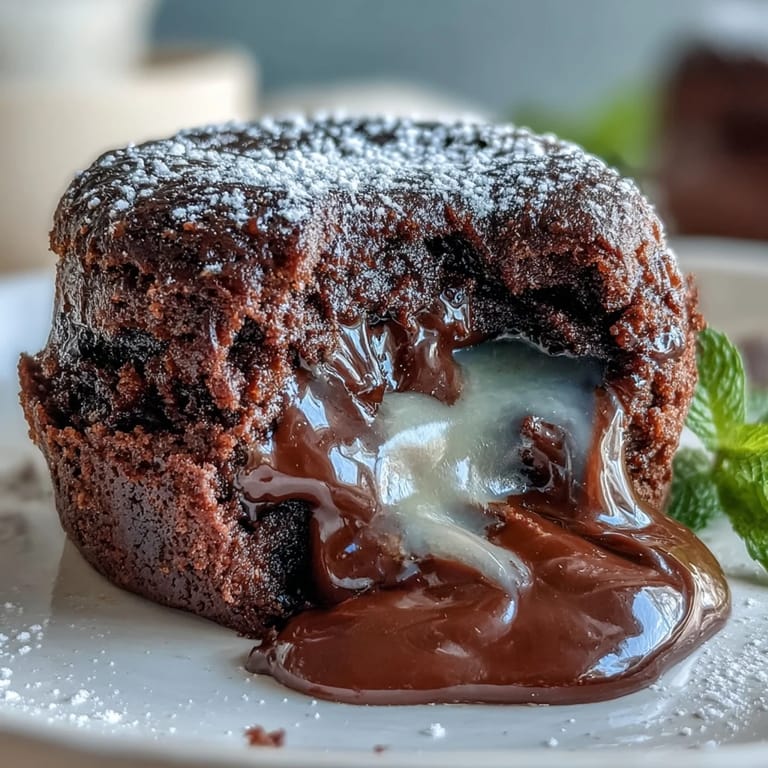
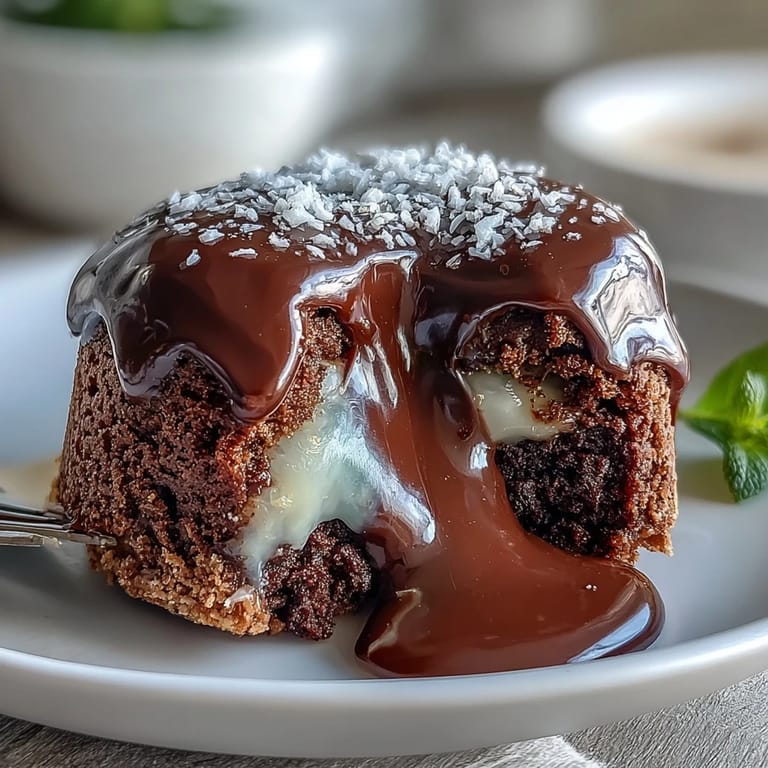
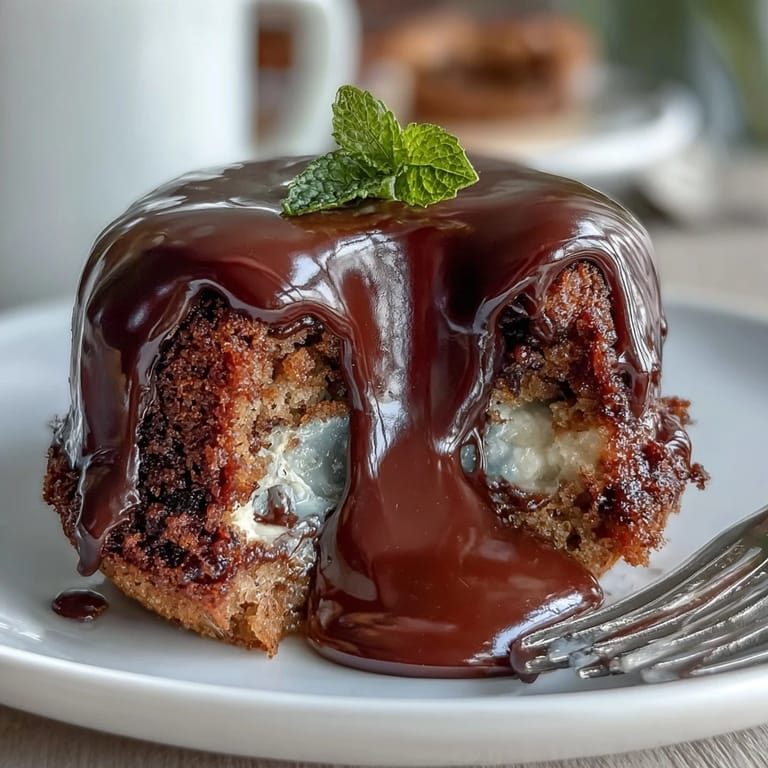
- The whole point is to serve these while they're still warm so that hojicha ganache flows luxuriously when cut. A light dusting of powdered sugar looks beautiful, and a small scoop of vanilla ice cream on the side creates a temperature contrast that elevates everything.
 Save to Pinterest
 I'll never forget watching my sister take that first bite at her engagement dinner, how she looked surprised then transported, and how she called the next day asking if I could teach her to make it. That's when I realized this recipe wasn't just about technique or ingredients—it was about creating a moment that sticks with people.
The Science of the Lava Effect
The lava center works because you're baking the cake just long enough for the outside structure to set while the center stays soft and yielding. The hojicha ganache acts as an insulator of sorts, staying warmer longer than the surrounding batter, and when you cut through the warm cake, that gentle give-way creates the signature flow. Understanding this helps you troubleshoot—if your ganache is too warm, it spreads; too cold and the batter cooks completely before it can warm up the ganache. It's about balance, which honestly is a pretty good metaphor for cooking in general.
Hojicha: The Quiet Sophisticate
Hojicha is green tea that's been roasted until it transforms into something deeper and more mysterious. The roasting process mellows the grassy notes you might expect from green tea and introduces subtle nutty, toasty undertones that pair magnificently with the sweetness of white chocolate. This isn't a delicate flavor that whispers—it's more like a sophisticated friend who doesn't speak often but says exactly the right thing when they do. You can find hojicha powder online or in specialty tea shops, and a small container lasts forever since you only use a teaspoon at a time.
Make Ahead and Timing Strategies
The beauty of this recipe is that most of the work can happen before your guests arrive. You can assemble the cakes in their ramekins, cover them loosely with plastic wrap, and refrigerate them for up to 8 hours, then simply pop them into the oven when you're ready to serve. Just add an extra 1-2 minutes to the baking time if they're cold when they go in, and use that extra time to get the table set and take a breath. The ganache can be made days ahead and rolled into balls, which means the most stressful part—getting the timing right on the actual bake—is really just about staying present and watching your oven.
- Make the ganache up to 3 days ahead and store the rolled balls in an airtight container in the coldest part of your fridge.
- Prepare the ramekins and assemble the cakes up to 8 hours before baking for a stress-free evening.
- Time your bake so the cakes come out about 5 minutes before you want to serve dessert, then you'll have just enough time to let them rest before inverting.
 Save to Pinterest
 This recipe has become my go-to when I want to create something that feels special without spending the whole day in the kitchen. Every time you serve it, you get to experience that tiny magic trick of a lava center, and that never gets old.
Recipe FAQs
- → What makes the center molten?
The chilled hojicha ganache balls placed in the center of each cake remain solid during baking, creating that signature lava flow when you cut into the warm cake.
- → Can I prepare these ahead of time?
Yes, assemble the cakes in ramekins and refrigerate for several hours. Add 1–2 extra minutes to the baking time if baking from chilled.
- → What is hojicha?
Hojicha is roasted Japanese green tea with earthy, nutty flavors and lower caffeine than other green teas. Its roasted profile pairs exceptionally well with white chocolate.
- → How do I know when they're done baking?
The edges should be set and slightly pulling away from the ramekin, while the center remains slightly jiggly. Overbaking will lose the molten effect.
- → Can I substitute the hojicha powder?
Matcha powder works well for a vibrant green tea variation, though the flavor will be grassier rather than earthy. Adjust quantity to taste as matcha can be more potent.
- → What's the best way to serve these?
Serve immediately while warm for the full lava experience. Pair with unsweetened whipped cream, fresh berries, or vanilla ice cream to balance the sweetness.