 Save to Pinterest
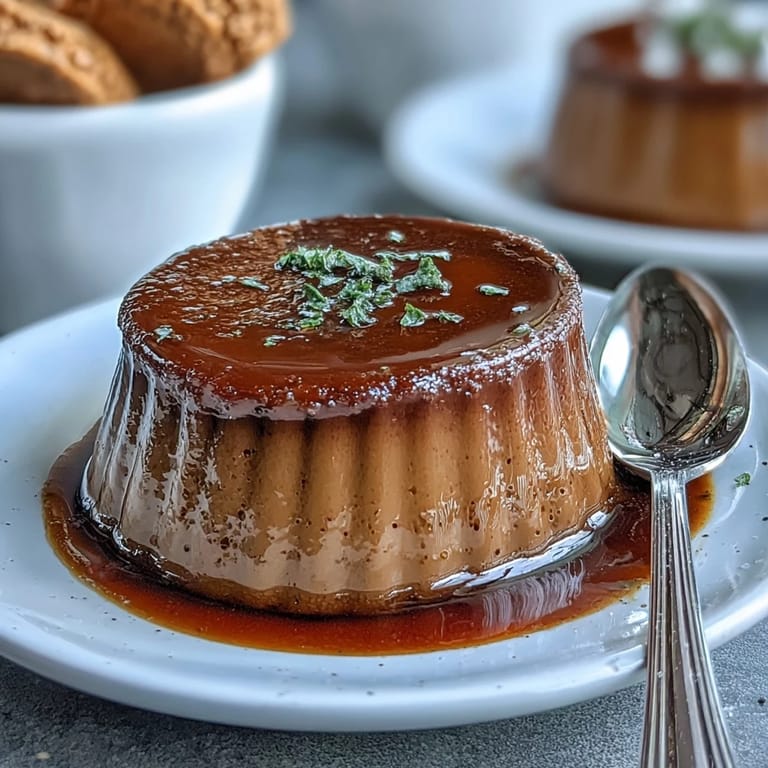
 In the delicate intersection of Japanese tea traditions and Italian dessert craftsmanship lies the Hojicha Panna Cotta—a silky, creamy custard infused with the distinctive roasted notes of hojicha tea. This elegant dessert captures the earthy, caramel-like flavor of roasted green tea leaves, transformed into a velvety smooth custard that melts effortlessly on the tongue.
Save to Pinterest Hojicha, a Japanese roasted green tea, transforms ordinary panna cotta into something truly special. Unlike the grassy notes of regular green tea, hojicha offers warm, toasty flavors reminiscent of caramel and coffee, but with a gentler caffeine content. When infused into the cream mixture, it creates a dessert that feels both familiar and intriguingly novel—a perfect conversation starter for your next dinner party.
Ingredients
Tired of Takeout? 🥡
Get 10 meals you can make faster than delivery arrives. Seriously.
One email. No spam. Unsubscribe anytime.
- 1 1/2 cups (360 ml) heavy cream
- 1/2 cup (120 ml) whole milk
- 1/4 cup (50 g) granulated sugar
- 2 tablespoons hojicha loose leaf tea (or 3 hojicha tea bags)
- 2 teaspoons powdered gelatin (about 7 g)
- 2 tablespoons (30 ml) cold water
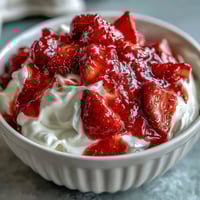
- For garnish (optional): Whipped cream, shaved chocolate or roasted nuts, edible flowers
Instructions
- Prepare the gelatin
- In a small bowl, sprinkle the gelatin over cold water and let it bloom for 5 minutes.
- Heat the dairy
- In a saucepan, combine the heavy cream, milk, and sugar. Heat gently over medium-low heat until steaming but not boiling.
- Infuse with tea
- Remove the saucepan from heat. Add the hojicha tea and steep for 7–8 minutes.
- Strain the mixture
- Strain the mixture through a fine-mesh sieve into a clean bowl, pressing gently to extract maximum flavor.
- Reheat and add gelatin
- Return the strained cream mixture to the saucepan and reheat gently until warm (not boiling). Add the bloomed gelatin and whisk until fully dissolved.
- Pour and cool
- Pour the mixture evenly into 4 ramekins or serving glasses. Let cool to room temperature.
- Refrigerate
- Cover with plastic wrap and refrigerate for at least 4 hours, or until set.
- Serve
- To serve, run a thin knife around the edges and unmold onto plates, or serve directly in glasses. Garnish as desired.
Zusatztipps für die Zubereitung
Die ideale Temperatur zum Aufgießen des Hojicha-Tees liegt bei etwa 80°C—etwas kühler als kochendes Wasser—um ein Überextrahieren zu vermeiden. Wenn Sie die Panna Cotta aus den Förmchen lösen möchten, tauchen Sie die Unterseite kurz in heißes Wasser. Dadurch löst sich die Gelatine leicht vom Rand und die Panna Cotta gleitet mühelos heraus, wobei ihre glatte Textur erhalten bleibt.
Varianten und Anpassungen
Für eine vegane Version können Sie die Milchprodukte durch Kokosmilch und -sahne ersetzen und statt Gelatine Agar-Agar verwenden (passen Sie die Mengen entsprechend an). Experimentieren Sie mit verschiedenen Teesorten für unterschiedliche Geschmacksprofile—Genmaicha verleiht eine nussige Note, während schwarzer Tee eine robustere Basis bietet. Eine kleine Menge Matcha-Pulver auf der Oberseite jeder Panna Cotta sorgt für einen schönen Farbkontrast und einen zusätzlichen Teegeschmack.
Serviervorschläge
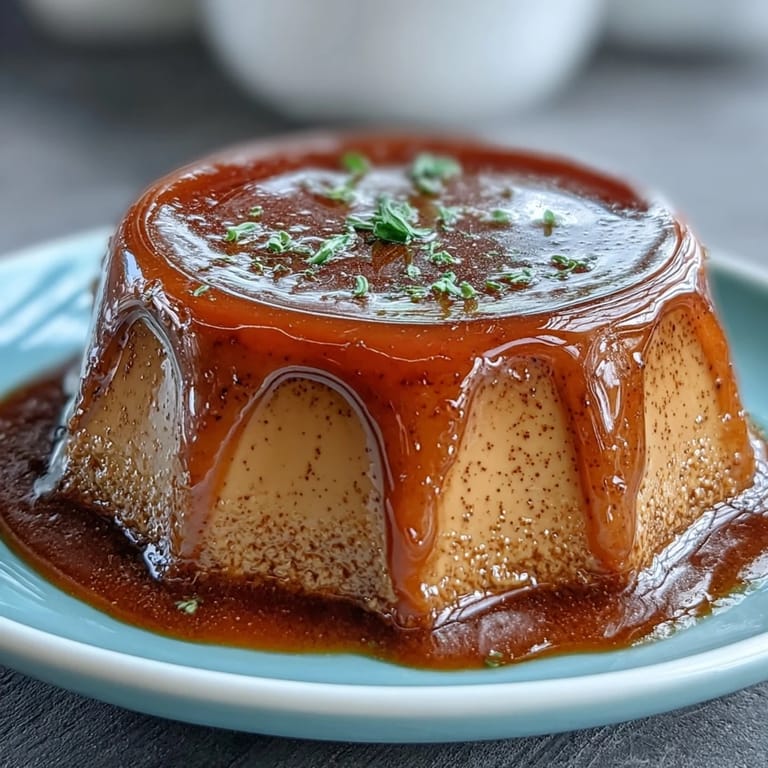
Servieren Sie die Hojicha Panna Cotta in transparenten Gläsern, um die zarte Farbe zu präsentieren, oder stürzen Sie sie auf einen Teller und garnieren Sie mit einer leichten Sauce aus Karamell oder weißer Schokolade. Eine Handvoll frischer Beeren oder ein knuspriges Keks sorgen für einen Texturkontrast. Dieses Dessert passt hervorragend zu einem Glas kaltem Hojicha-Tee oder einem leichten japanischen Weißwein, besonders nach einem asiatisch inspirierten Mahl.
 Save to Pinterest
 This Hojicha Panna Cotta stands as a testament to the beautiful harmony that can be achieved when culinary traditions cross borders. The gentle astringency of the Japanese tea cuts through the richness of the Italian cream dessert, creating a balanced finale to any meal. Whether served as an elegant conclusion to a dinner party or as a special weekend treat, this dessert offers both comfort and sophistication in equal measure.
Recipe FAQs
- → What type of tea is used for the flavor infusion?
Hojicha tea, known for its delicate roasted aroma, infuses the custard with subtle smoky notes.
- → How is the custard set without affecting its smooth texture?
Powdered gelatin is bloomed in cold water and gently dissolved into the warm cream mixture to achieve a silky, firm texture.
- → Can this dessert be made vegan or dairy-free?
Yes, coconut cream and milk can replace dairy, with agar-agar used instead of gelatin for setting.
- → How long should the custard chill before serving?
Chilling for at least four hours allows the custard to set fully and develop its smooth consistency.
- → What garnishes complement this dessert?
Whipped cream, shaved chocolate, roasted nuts, or edible flowers enhance both texture and presentation.
- → Is there a tip to intensify the flavor profile?
Adding a pinch of sea salt to the cream mixture deepens the overall taste by balancing sweetness.