 Save to Pinterest
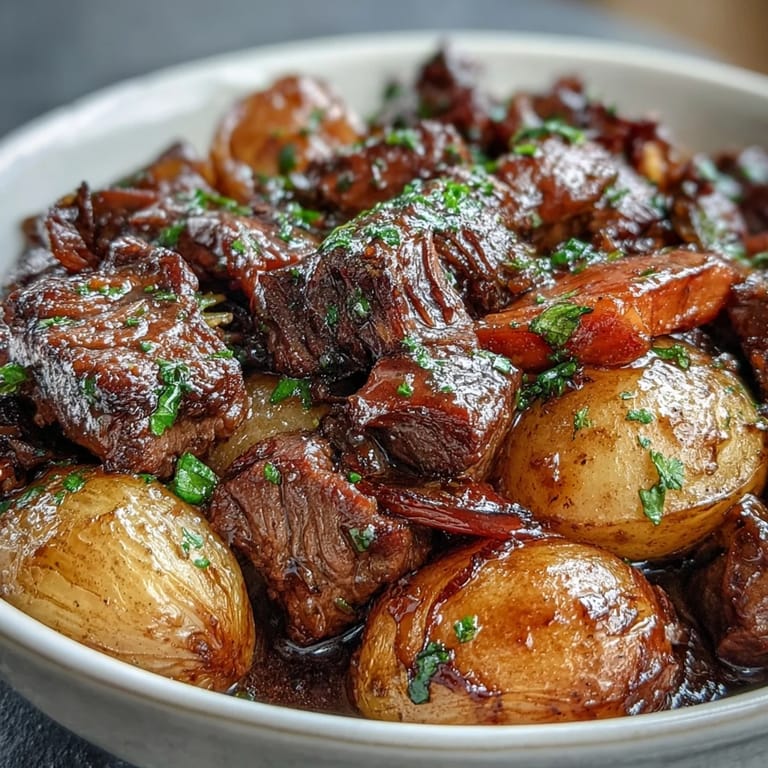
 My neighbor Yuki taught me nikujaga on a rainy Sunday when she brought over a steaming pot and wouldn't leave until I'd learned it properly. She said it was the first dish she made for her husband, nothing fancy, just honest comfort food that tastes like home. Watching her slice the potatoes into those particular chunks, the way she tasted the sauce and nodded like she was listening to it, I understood this wasn't about following steps—it was about feel. Now whenever I make it, I hear her voice saying, 'The sauce should be shiny, like silk.'
I made this for my partner on a Tuesday night when neither of us had energy for anything complicated, and somehow that simple weeknight dinner became one of those meals we still talk about. There's something about the smell of mirin and soy simmering together that fills an apartment with such warmth that everything else seems less important. We ate it straight from the pot while sitting on the kitchen counter, and that's when I realized the best recipes are the ones that make you forget you're supposed to be somewhere else.
Ingredients
- Thinly sliced beef (300g): Chuck or ribeye works beautifully because they become tender as they braise, and the marbling adds richness to the sauce without needing cream or butter.
- Waxy potatoes (600g): These hold their shape when simmered, unlike floury potatoes which turn to mush—I learned this the hard way my first time.
- Medium onions (2): Sliced rather than diced so they almost melt into the sauce and create a natural sweetness that balances the soy.
- Large carrot (1): Cut into thick rounds, it adds subtle sweetness and a pop of color that makes the dish feel less monochromatic.
- Shirataki noodles (100g, optional): These delicate strands absorb the sauce beautifully and add a pleasant chewiness if you want extra substance.
- Snow peas or green beans (100g, optional): Added at the end so they stay bright green and crisp rather than turning dull and mushy.
- Dashi stock (400ml): This is the secret foundation—if you can't find proper dashi, instant powder mixed with water gets surprisingly close and honestly works just fine.
- Soy sauce (4 tbsp): The umami backbone that makes everything taste intentional and rich without any heaviness.
- Mirin (3 tbsp): This sweet rice wine gives the sauce its signature glossy appearance and subtle caramel notes.
- Sake (2 tbsp): It cuts through the sweetness and adds depth, though you can skip it if you prefer a cleaner flavor profile.
- Sugar (2 tbsp): This seems simple but it's your control lever—taste as you go and adjust to your preference because sweetness is personal.
- Neutral oil (1 tbsp): Keep the temperature medium so the beef browns gently without searing, which would seal in juices and make it tough.
Tired of Takeout? 🥡
Get 10 meals you can make faster than delivery arrives. Seriously.
One email. No spam. Unsubscribe anytime.
Instructions
- Begin with warmth:
- Heat your oil over medium heat until it shimmers slightly—you want it inviting, not aggressive. Add the sliced onions and let them soften for a couple of minutes, stirring occasionally until they start to turn translucent at the edges.
- Brown the beef gently:
- Scatter the thinly sliced beef across the pan and cook it with a gentle hand, stirring often so it browns evenly without clumping. You're looking for that golden color that signals flavor development, usually about 3-4 minutes depending on your heat.
- Build the foundation:
- Add the potatoes and carrots, stirring everything together so the vegetables mix with the beef and absorb some of that browned flavor. This is the moment where separate ingredients start becoming one cohesive dish.
- Pour in the soul of the dish:
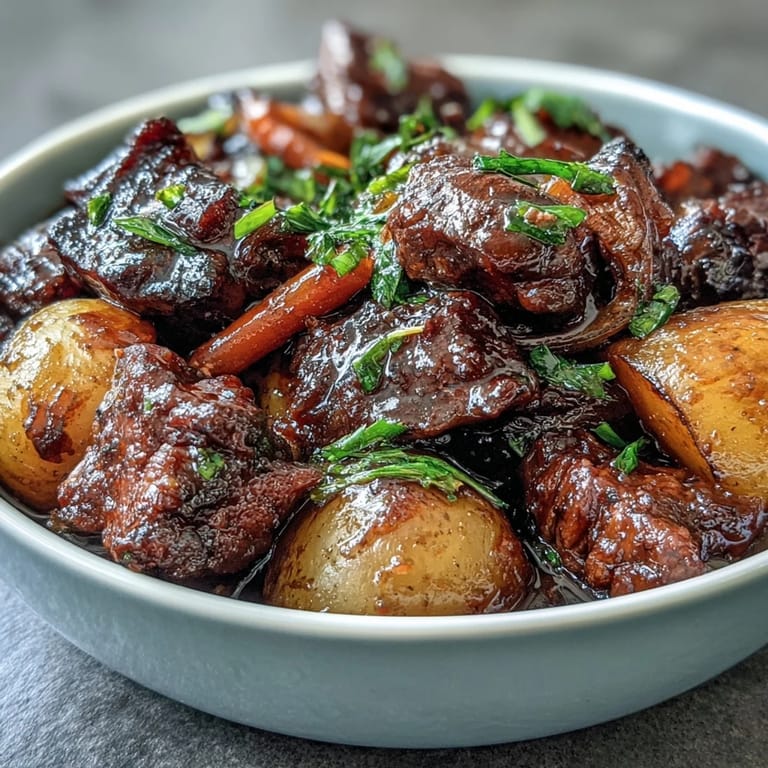
- Add the dashi stock first, then drizzle in the soy sauce, mirin, sake, and sugar while stirring gently. Watch as the sauce turns a rich amber color that promises everything it will taste like.
- Bring it to life:
- Increase the heat slightly until the liquid reaches a gentle boil, then take a moment to skim off any gray foam that rises to the surface—this is impurities releasing and it only takes a minute. Once the surface is relatively clear, you're ready to simmer.
- Let time work its magic:
- Lower the heat to barely a murmur, place the lid slightly ajar (the gap lets steam escape slowly), and let it braise for 20-25 minutes. You want a gentle simmer, not an aggressive bubble, so the potatoes soften evenly and the sauce develops that deep, melded flavor.
- Add optional elements strategically:
- If using shirataki noodles, add them about 10 minutes before the end so they have time to absorb the sauce without falling apart. The timing matters because they're delicate and can turn mushy if overcooked.
- Create the glossy finish:
- Remove the lid for the final 5 minutes and let the sauce reduce slightly, concentrating its flavor and creating that signature silky shine that coats each ingredient. You'll see it happening in real-time and it signals you're close to done.
- Add the brightness:
- Toss in the snow peas or green beans just 2-3 minutes before serving so they stay crisp and bright, providing a textural contrast to the tender potatoes. Their freshness cuts through the richness beautifully.
- Rest and serve:
- Let it sit off heat for just a minute before serving over steamed white rice, which is the traditional way and honestly the best way because the rice soaks up every drop of that glossy sauce.
 Save to Pinterest
 There was a moment during a dinner party when someone asked for the recipe and my friend beside them said, 'No, just ask her to make it again'—as if the recipe itself was less important than eating it together. That's when I realized nikujaga isn't trying to impress anyone; it's just trying to make people feel cared for, and somehow that's more powerful than any technique.
The Sauce is Everything
I used to think the meat was the star of this dish until I started paying attention to how the sauce actually tastes. The balance between soy and mirin is delicate—it should whisper sweetness, not shout it, and the mirin specifically gives it that glossy appearance that makes you want to photograph it. When you're about halfway through cooking, taste a tiny spoonful of the simmering liquid and you'll understand what I mean; it should make you curious, not satisfied, because it promises to get better as it reduces.
Choosing Your Beef
Chuck or ribeye both work, but they work differently—chuck has more collagen that breaks down during braising and creates a silky mouthfeel, while ribeye stays more tender and buttery from the start. I usually go with chuck because the longer braise rewards the tougher cut, and there's something satisfying about transformation. The thin slicing is important too; it means the beef cooks quickly and evenly without needing a long time, which keeps everything from turning into mush.
Variations and Adjustments
This dish is forgiving in ways that make it perfect for experimenting. I've made it with pork shoulder sliced thin and it has a slightly different sweetness that's lovely, and I know people who use firm tofu with vegetable broth for a vegetarian version that honestly holds its own. The sugar and mirin ratio is something you should feel free to adjust based on what tastes right to you—some people like it noticeably sweet, others prefer it more savory and balanced.
- Pork shoulder or thinly sliced pork works beautifully and often feels lighter than beef while still being satisfying.
- Firm tofu with vegetable broth creates a vegetarian version that absorbs the sauce wonderfully and becomes almost meat-like in texture.
- Adjust the sweetness by tasting as you simmer and adding a little more sugar or mirin if needed, because your preference matters more than any recipe.
 Save to Pinterest
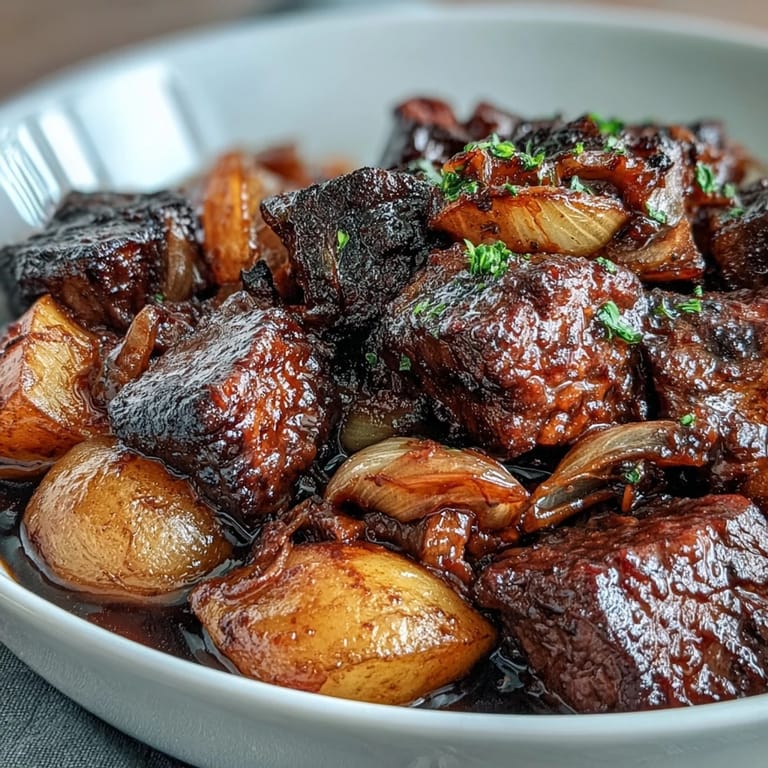
 Nikujaga is the kind of dish that rewards you for slowing down, for tasting as you cook, for letting time do the work instead of rushing it. Make it when you have a little patience and someone you want to cook for, and you'll understand why Yuki insisted I learn it.
Recipe FAQs
- → What cut of beef works best for this dish?
Thinly sliced chuck or ribeye are ideal for tender, flavorful results, but other well-marbled cuts can be used as well.
- → Can I make this dish vegetarian?
Yes, replace the beef with firm tofu and use vegetable broth in place of dashi stock for a satisfying vegetarian version.
- → What type of potatoes is recommended?
Waxy potatoes that hold their shape, like yukon gold or similar, work best for a tender yet firm texture.
- → How do shirataki noodles affect the dish?
Shirataki noodles add a chewy texture and absorb flavors well; add them near the end of cooking to keep their structure.
- → Can this dish be adjusted for gluten-free diets?
Yes, substitute regular soy sauce with tamari or certified gluten-free soy sauce to avoid gluten.
- → What beverages pair well with this meal?
A chilled sake or a warm cup of green tea complements the sweet and savory flavors beautifully.