 Save to Pinterest
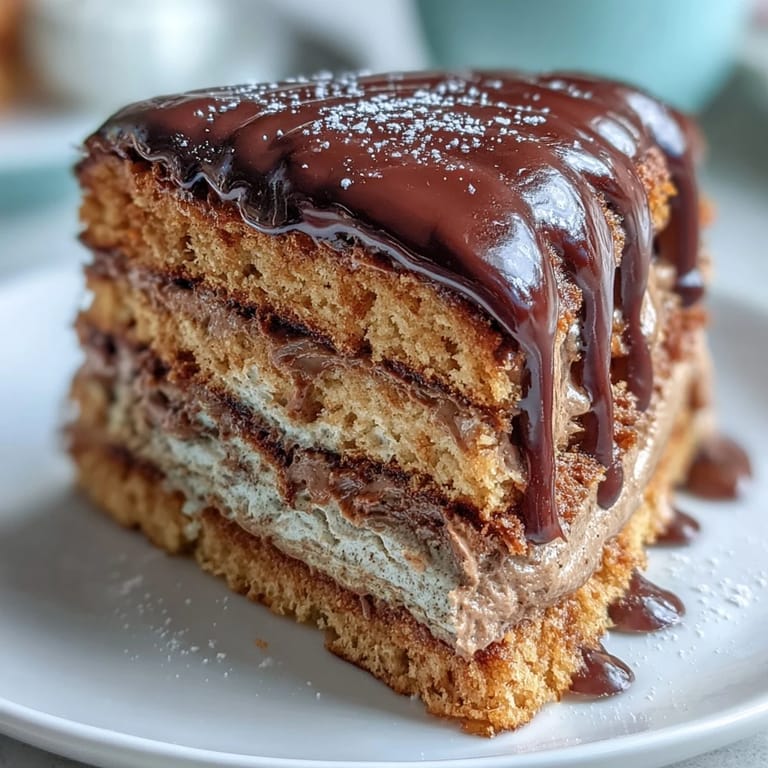
 Last spring, my neighbor brought over a slice of hojicha cake from a tiny Japanese bakery, and I remember standing in my kitchen at dusk, completely mesmerized by how the toasted tea flavor played against the dark chocolate. The cake was impossibly tender, the buttercream had this subtle warmth that lingered on my tongue, and I knew right then I had to figure out how to make it myself. Three attempts later, I finally nailed the balance between the delicate sponge and that earthy, roasted hojicha infusion that makes people pause mid-bite and ask what that mysterious flavor is.
I made this cake for my book club when it was supposed to be my turn to bring dessert, and honestly, I was nervous about whether the hojicha would resonate with everyone. But watching people close their eyes after their first bite, tasting something they'd never encountered before, made me understand why food memories stick around. One friend asked for the recipe right there, with frosting on her chin, and that's when I knew this cake had become more than just something I could bake—it was something I could share.
Ingredients
- Cake flour: This matters because it's softer than all-purpose flour and gives you that cloud-like crumb without the heaviness—sift it even if the bag says pre-sifted, trust me on this one.
- Eggs: Room temperature eggs whip up faster and create more volume, which means a lighter, airier sponge that actually showcases the hojicha flavor instead of drowning it out.
- Granulated sugar: The workhorse here; it whips with the eggs to trap air and creates that signature tender crumb that makes people think you've been baking professionally.
- Whole milk: Use full-fat milk in both the sponge and the buttercream—skim will make everything taste thin and flat, and you'll regret it halfway through mixing.
- Unsalted butter: Room temperature for whipping, melted and cooled for the batter; cold butter will clump and ruin your dreams of an even crumb.
- Hojicha loose leaf tea: The soul of this cake—hojicha is roasted Japanese green tea with a deeper, less grassy flavor than regular matcha, and loose leaf is stronger than tea bags so you can control the intensity.
- Dark chocolate: Go for 60–70% cocoa so the ganache stays silky rather than chalky; anything darker and you'll need more cream to get it smooth.
- Heavy cream: Full-fat cream is essential for a glossy, pourable ganache that sets beautifully as it cools.
Tired of Takeout? 🥡
Get 10 meals you can make faster than delivery arrives. Seriously.
One email. No spam. Unsubscribe anytime.
Instructions
- Toast your oven and set up your pans:
- Preheat to 175°C and line two 18 cm pans with parchment paper—cold pans will make the cake stick to the sides and ruin your presentation.
- Whip eggs and sugar into clouds:
- Beat them on high speed for 5–7 minutes until the mixture is pale, thick, and falls in ribbons from the mixer. This step is where the magic happens; you're building a structure that will stay tender even after baking.
- Fold in flour gently in thirds:
- Add the sifted cake flour and salt in three additions, folding carefully with a spatula so you don't deflate all that air you just worked for. Each fold should take just a few strokes—patience here saves the crumb.
- Temper the wet ingredients:
- Mix milk, melted butter, and vanilla, then stir a few spoonfuls of batter into this mixture before folding it back into the main batter. This step prevents clumps of butter and keeps the batter smooth and even.
- Bake until golden and set:
- Divide batter evenly between pans and bake for 20–22 minutes until a skewer comes out clean. Your kitchen will smell incredible—that's the sign you're on the right track.
- Cool with patience:
- Let cakes rest in the pans for 10 minutes so they don't crack, then turn onto a wire rack and cool completely before assembly—warm cakes and buttercream are a disaster waiting to happen.
- Steep hojicha into liquid gold:
- Heat milk until steaming, add hojicha, and let it steep for 10 minutes while the kitchen fills with this toasted, comforting aroma that immediately tells you this isn't a regular cake. Strain it through a fine sieve and let it cool completely so the buttercream doesn't melt.
- Whip the buttercream:
- Beat room temperature butter with powdered sugar and salt for 3–4 minutes until fluffy and pale, then gradually add your cooled hojicha milk. The mixture might look broken at first, but keep beating and it will come together into something silky and luxurious.
- Create the chocolate ganache:
- Heat cream until steaming, pour it over chopped chocolate, wait 2 minutes for the chocolate to soften, then stir gently until glossy and smooth. Let it cool to room temperature before pouring so it doesn't melt the buttercream.
- Assemble with care:
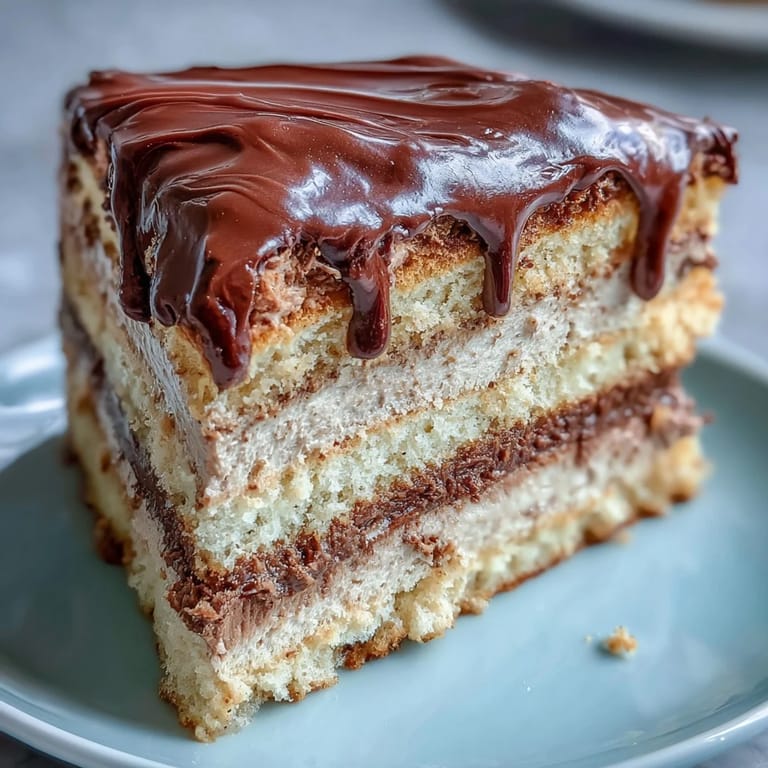
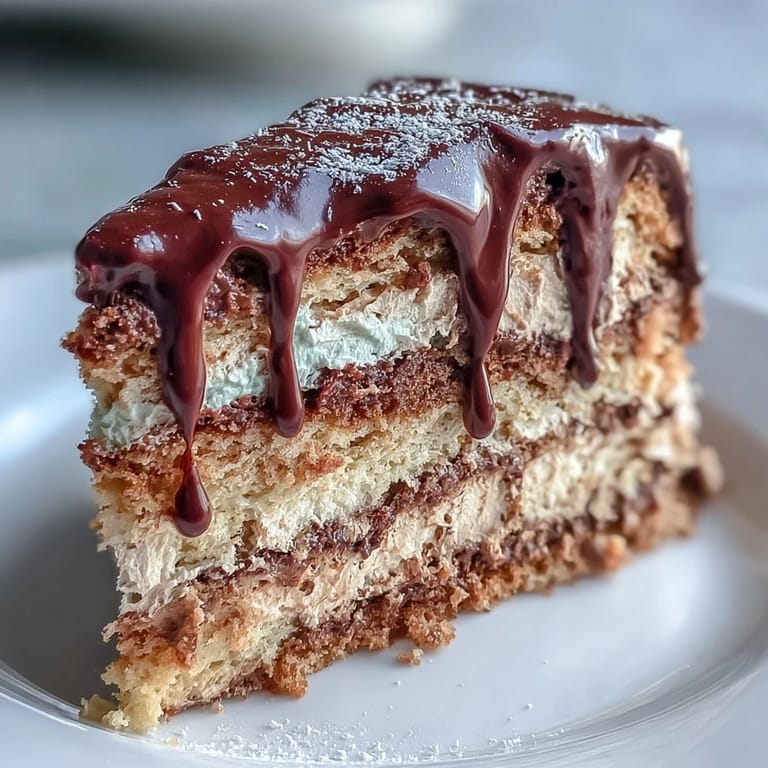
- Place one cake layer on your serving plate, spread half the hojicha buttercream over it, then top with the second cake. Spread the remaining buttercream over top and sides with an offset spatula, then pour the cooled ganache so it drips down naturally.
- Chill before serving:
- Refrigerate for at least 30 minutes so the layers set and the cake slices cleanly without the buttercream squishing out sideways.
 Save to Pinterest
 What I love most about this cake is that it's not trying to be something it's not—it's a straightforward, honest dessert that lets hojicha be the star instead of hiding behind layers of excess. My friends who thought they didn't like tea-flavored anything have become converts after tasting this, and that transformation, that moment when someone's palate expands just a little, is why I keep baking it.
The Science of a Perfect Sponge
The key to this cake's tender crumb is the emulsification between the whipped eggs and the melted butter, which is why every temperature and every fold matters so much. I used to rush through the mixing and wonder why my cakes came out dense until I realized I was deflating months of potential lightness in seconds of careless stirring. Now I treat the folding like meditation—slow, deliberate, respectful of the work I've already done.
Hojicha: The Misunderstood Tea
Most people confuse hojicha with matcha because both are Japanese teas, but hojicha is actually roasted green tea with a completely different personality—it's toasty, warm, slightly sweet, and way less intense than matcha's grassy boldness. The roasting process mellows out the caffeine and creates these complex flavors that taste almost like caramel and nuts, which is exactly why it works so beautifully in a buttercream where delicate subtlety matters. Once you understand what hojicha brings to a dessert, you start seeing possibilities everywhere: cookies, ice cream, hot chocolate, even dusted on top of whipped cream.
Ganache Timing and Temperature
The trickiest part of this whole cake isn't the sponge or the buttercream—it's pouring that ganache at exactly the right moment when it's cooled enough to drip elegantly but still fluid enough to actually move. I learned this the hard way after pouring ganache that was too hot and melted right through my carefully piped buttercream, and also after waiting too long and ending up with something that wouldn't pour at all. Now I test it on the back of a spoon: if it clings slightly and releases slowly, you're ready.
- Let ganache cool to room temperature before pouring—roughly 10–15 minutes depending on your kitchen's warmth.
- If your ganache sets up too fast, warm it very gently over a water bath for 30 seconds until it becomes pourable again.
- The amount of cream to chocolate matters; more cream makes it pourable and glossy, less cream makes it thicker and more fudgy, so adjust based on your preference.
 Save to Pinterest
 This cake proves that fancy doesn't have to be complicated—it just has to be intentional and made with ingredients that matter. Slice it warm or cold, serve it with sencha tea or absolutely nothing at all, and watch it become someone's new favorite reason to come back to your kitchen.
Recipe FAQs
- → What does hojicha taste like?
Hojicha has a distinctive roasted, toasty flavor with caramel notes and lower caffeine than other green teas. It adds a warm, nutty sweetness that pairs perfectly with buttercream and chocolate.
- → Can I make this cake in advance?
Yes! The assembled cake keeps well in the refrigerator for 2-3 days. The flavors actually develop and improve after chilling. Bring to room temperature 30 minutes before serving for the best texture.
- → What can I substitute for hojicha?
If unavailable, you can use other roasted teas like genmaicha (brown rice tea) or even a strong English breakfast tea for a different flavor profile. For a closest match, roasted barley tea works well.
- → Why is my sponge cake dense?
Over-mixing after adding flour can deflate the batter. Gently fold in dry ingredients just until combined. Also ensure eggs are properly whipped to the ribbon stage—they should be thick, pale, and leave a trail when beaters are lifted.
- → Can I freeze this cake?
The sponge layers freeze beautifully for up to 3 months. Wrap each layer tightly in plastic wrap and foil. Thaw overnight in the refrigerator before assembling with fresh buttercream and ganache.
- → How do I know when the ganache is ready to pour?
The ganache should be slightly warm and fluid but not hot—around 32-35°C (90-95°F). If it's too warm, it will slide right off the cake. If too cool, it won't spread smoothly. Let it cool for 15-20 minutes after mixing.