 Save to Pinterest
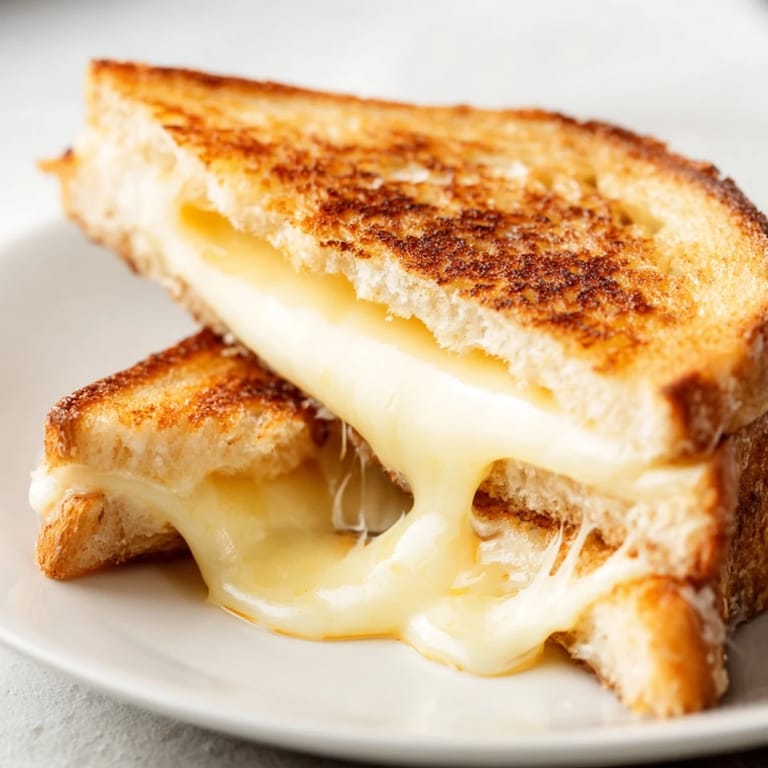
 My roommate used to make these on Sunday afternoons when we were both too lazy to cook anything complicated. The smell of butter hitting the hot pan would drift through the apartment, and I'd wander into the kitchen just as the cheese started bubbling out the sides. She taught me that the secret wasn't fancy bread or exotic cheese, just patience and three good melty varieties working together. Now I make them on rainy evenings when I need something warm and easy. It's become my go-to comfort meal when nothing else sounds right.
I made these for my nephew once when he came over after school, and he ate two in a row without saying a word. When he finally looked up, he just nodded and said it was better than his mom's, which I know isn't true but still made me absurdly proud. His mom later texted asking what I did differently, and honestly, I think it was just using three cheeses instead of one. Sometimes the smallest changes make the biggest difference, especially when you're feeding someone who thinks they've tasted every version of a classic.
Ingredients
- Country-style or sourdough bread: A sturdy bread with some texture holds up to the butter and cheese without getting soggy, and sourdough adds a subtle tang that balances the richness.
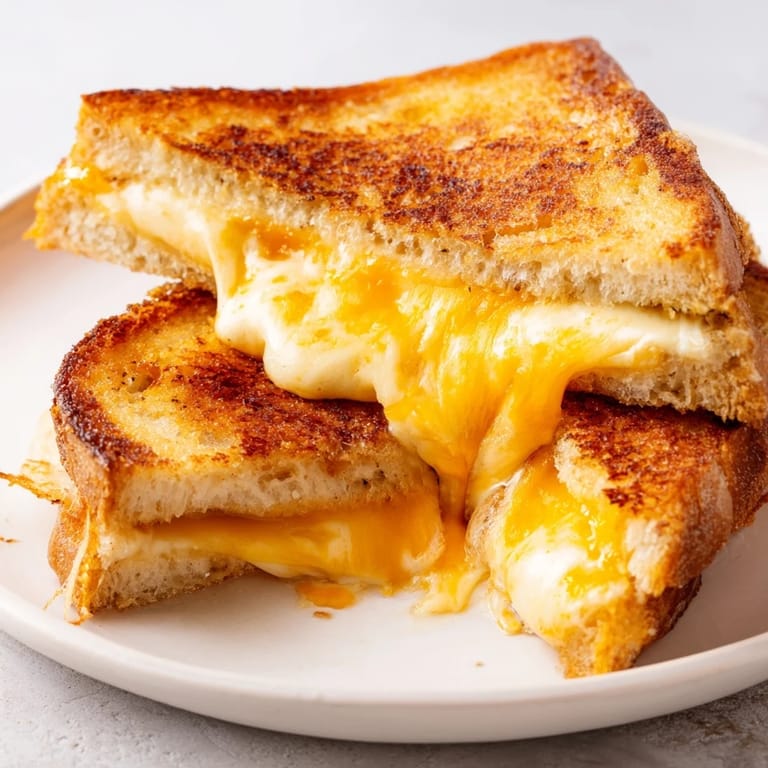
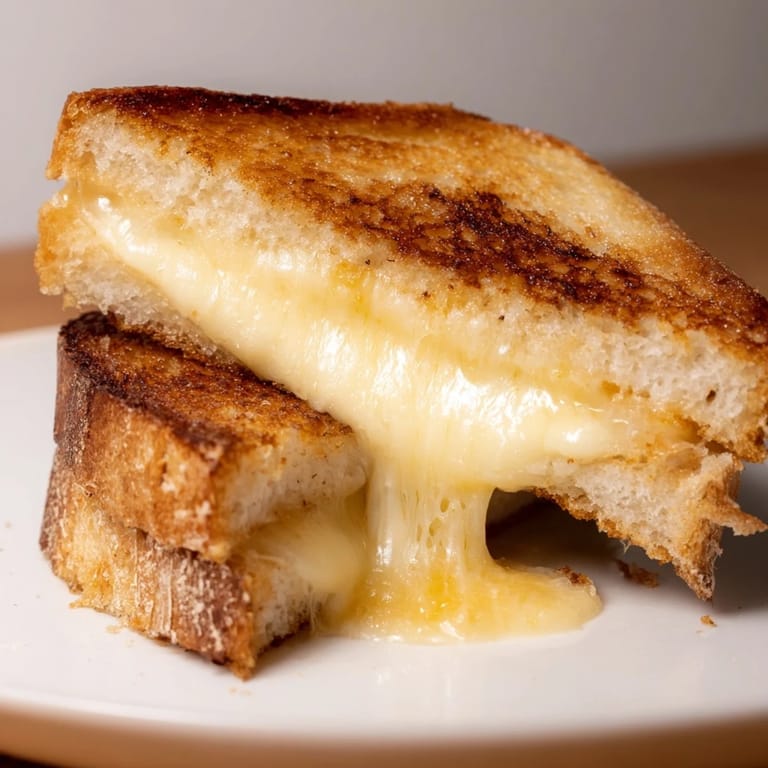
- Shredded mozzarella cheese: This is your stretch cheese, the one that creates those Instagram-worthy cheese pulls and keeps the center creamy.
- Shredded sharp cheddar cheese: Cheddar brings the bold, tangy flavor that prevents the sandwich from tasting flat or one-note.
- Shredded provolone cheese: Provolone melts beautifully and adds a mild, slightly smoky undertone that ties the other two cheeses together.
- Unsalted butter, softened: Softened butter spreads evenly without tearing the bread, and it creates that golden, crispy exterior when it hits the heat.
- Dijon mustard (optional): A thin swipe of mustard on the inside adds a subtle sharpness that cuts through the richness without overwhelming the cheese.
- Black pepper (optional): Just a pinch wakes up the flavors and adds a tiny bit of heat that you won't quite identify but will definitely notice.
Tired of Takeout? 🥡
Get 10 meals you can make faster than delivery arrives. Seriously.
One email. No spam. Unsubscribe anytime.
Instructions
- Prep the bread:
- Lay out your bread slices on the counter and, if you're using it, spread a thin layer of Dijon mustard on two of the slices. This is your flavor foundation, so keep it light.
- Mix the cheeses:
- Combine the mozzarella, cheddar, and provolone in a small bowl and toss them together until they're evenly distributed. Mixing them first ensures every bite has all three cheeses.
- Assemble the sandwiches:
- Divide the cheese mixture between two bread slices, spreading it out to the edges so you don't end up with a cheeseless crust. Top with the remaining slices and press down gently.
- Butter the outside:
- Spread a thin, even layer of softened butter on the top and bottom of each sandwich, making sure to cover every corner. This is what turns into that crispy, golden shell.
- Heat the skillet:
- Set a large nonstick skillet or griddle over medium-low heat and let it warm up for a minute or two. Low and slow is the key to melting the cheese without burning the bread.
- Cook the sandwiches:
- Place the sandwiches in the skillet and cook for three to four minutes per side, pressing gently with a spatula to help the cheese melt. Flip when the bottom is deep golden brown and crispy.
- Rest and serve:
- Remove the sandwiches from the pan and let them rest for a minute so the cheese sets just slightly. Slice them in half and serve immediately while they're still steaming.
 Save to Pinterest
 There was a night last winter when the power went out and I made these on a camping stove by candlelight, feeling absurdly resourceful. My partner and I ate them standing in the kitchen, laughing at how ridiculous it was to be so pleased with ourselves over grilled cheese. But that's the thing about simple food—it doesn't need perfect conditions or a fancy kitchen to feel like exactly what you needed. Sometimes a hot sandwich in the dark is enough to turn a frustrating night into a memory you actually want to keep.
Choosing Your Bread
I've tried this with everything from white sandwich bread to thick-cut sourdough, and the bread really does matter. Soft white bread makes a nostalgic, diner-style sandwich that's all about the cheese, while sourdough or country bread adds structure and a slight chew that stands up to the richness. If your bread is pre-sliced and thin, you might want to dial back the cheese a bit so it doesn't ooze out everywhere. Thicker slices can handle the full amount and give you a better bread-to-cheese ratio, which is something I didn't think about until I ended up with a puddle of cheese in the pan.
Variations to Try
Once you've nailed the basic version, it's easy to make this your own. I've added caramelized onions, which turn it into something almost fancy, and thin slices of tomato for a fresher, lighter bite. My friend swears by spreading mayonnaise on the outside instead of butter before grilling, which sounds strange but creates an incredibly crispy, golden crust. You could also tuck in some cooked bacon, a handful of arugula, or even a smear of pesto if you're feeling adventurous. The three-cheese base is solid enough to support almost any addition without losing its identity.
Serving Suggestions
This is one of those sandwiches that's perfect on its own, but it's even better with a bowl of tomato soup for dunking. I also like serving it with a handful of crispy pickles or a simple green salad dressed with lemon and olive oil to cut through the richness. If you're feeding kids, cut the sandwiches into strips instead of halves so they're easier to handle and more fun to eat. It's also great alongside a mug of hot cider in the fall or a cold beer on a casual weekend.
- Pair it with tomato soup for the ultimate nostalgic comfort meal.
- Serve with pickles, chips, or a light salad to balance the richness.
- Cut into strips for kids or for easier dunking.
 Save to Pinterest
 This sandwich has gotten me through more late nights and lazy weekends than I can count, and I never get tired of it. I hope it becomes one of those easy, reliable recipes you turn to when you need something simple and satisfying.
Recipe FAQs
- → What cheeses work best for this sandwich?
Mozzarella provides creaminess, sharp cheddar adds tangy flavor, and provolone contributes nutty complexity. These three cheeses complement each other beautifully, but you can substitute with gruyere, fontina, or gouda depending on your preference.
- → How do I prevent the bread from burning while the cheese melts?
Use medium-low heat rather than high heat, which allows the cheese to melt slowly while the bread develops a golden-brown crust. Medium-low heat gives you better control and prevents burning. Pressing gently with a spatula also helps distribute heat evenly.
- → Can I prepare this sandwich in advance?
You can assemble the sandwich several hours ahead and refrigerate it. However, cook it fresh just before serving for optimal crust texture and cheese melt. Cold sandwiches will require an extra minute or two of cooking time.
- → What bread is best for grilled cheese?
Country-style or sourdough bread works wonderfully because they have sturdy structures that hold up to toasting and buttering. Brioche adds richness, while whole wheat provides earthiness. Avoid thin sandwich bread as it may get soggy or tear.
- → Why should I rest the sandwich after cooking?
Resting for one minute allows the melted cheese to stabilize slightly, preventing it from oozing out when you slice. This brief pause also lets the interior cool slightly so you won't burn your mouth on molten cheese.
- → What variations can enhance this sandwich?
Add Dijon mustard for tanginess, layer sliced tomatoes or caramelized onions for sweetness, or include crispy bacon for smokiness. A thin spread of pesto or roasted red pepper adds Mediterranean flair while maintaining the cheese-forward appeal.